Everyone talks about creative productivity. They tell you to find your flow state, get more sleep, drink more coffee, or maybe meditate. All good advice. But it’s incomplete.
The hard truth is that peak creative productivity isn't about magic moments. It's about building robust systems that support consistent output, even when inspiration feels miles away.
1. Rethink 'Inspiration' as a Byproduct, Not a Prerequisite
The romantic notion of the artist waiting for a muse is a myth that kills workflow. Waiting for inspiration is a passive strategy. It leads to missed deadlines and frustrated clients.
True creative productivity is about showing up and doing the work, day in and day out. Inspiration often strikes *during* the process, not before it.
Shift Your Mindset
Treat creative work like any other professional discipline. It requires discipline, not just divine intervention.
- Focus on process, not just outcome.
- Schedule dedicated creative time, like any other important meeting.
- Break down large projects into smaller, manageable tasks.
This shift moves you from a reactive state to a proactive one. You become the driver of your creativity, not a passenger.
2. Master Your Input and Output Channels
What goes into your creative mind directly impacts what comes out. Similarly, how you capture and process your ideas dictates their viability.
Control Your Inputs
Your environment and the information you consume matter. Be intentional about what you let in.
- Curate your inspiration sources.
- Limit distractions ruthlessly during focused work periods.
- Seek diverse perspectives, but don't get lost in analysis paralysis.
This isn't about censorship; it's about strategic consumption. You want fuel, not noise.
Streamline Your Outputs
How do you capture ideas? How do you share work? How do you get feedback? These are critical output channels.
A messy feedback loop is a productivity killer. Unclear communication leads to endless revisions and wasted effort. Centralizing this process is key.
Think about the tools you use. Are they helping or hindering? A clunky system can derail even the best intentions.
3. Build a Feedback and Revision Engine
Creative work, by its nature, is iterative. Clients need to see progress, and you need to incorporate their input effectively. This is where many agencies stumble.
The Feedback Black Hole
Emails get lost. Slack messages are buried. Stakeholders forget what they said. This chaos creates friction.
You need a clear, centralized system for receiving and managing client feedback. This isn't just about organization; it's about clarity and accountability.
The Revision Cycle
Each revision should be a step forward, not a step sideways. This requires understanding the feedback and translating it into actionable changes.
- Ensure feedback is specific and actionable.
- Track all changes and communications related to revisions.
- Establish clear approval stages.
Without this structure, revisions become a game of telephone, leading to scope creep and team burnout.
4. Integrate Quality Assurance Deeply
Quality checks are often an afterthought, a final hurdle before delivery. This is a mistake.
Quality assurance (QA) should be woven into the entire creative process, not just tacked on at the end.
Proactive QA
What does this look like in practice?
- Define clear quality standards early in the project.
- Conduct mini-QA checks at key milestones.
- Empower the team to flag potential quality issues as they arise.
This prevents major issues from surfacing late in the game, when they are most costly to fix.
The Cost of Rework
Rework due to quality issues is a direct drain on profitability. It erodes team morale and client trust.
A proactive QA approach minimizes these costly surprises.
Where Revue Fits In
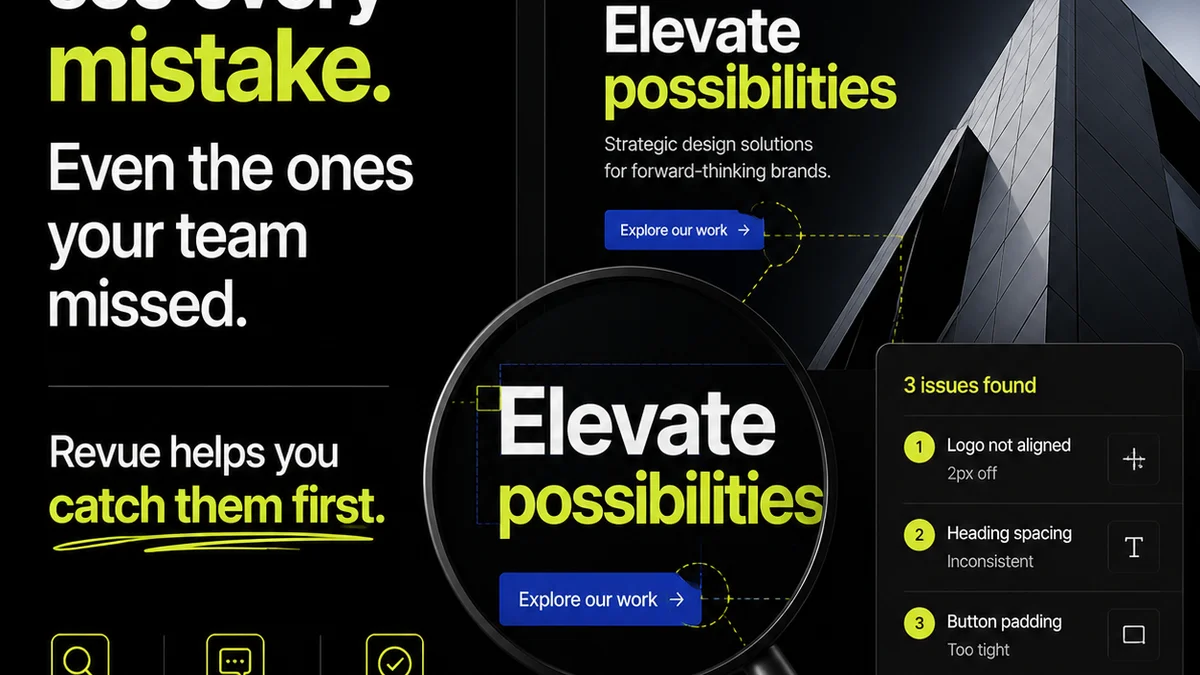
Building a sustainable creative productivity system requires managing the flow of work and feedback. This is precisely what Revue is designed to facilitate.
Revue acts as your central hub for creative projects. It helps you:
- Centralize Client Feedback: No more hunting through email threads or chat logs. All feedback lives in one place, linked directly to the creative asset.
- Manage Revisions and Approvals: Track the entire revision history, understand what's been changed, and get clear sign-offs. This visibility prevents confusion and scope creep.
- Run Efficient Quality Checks: Integrate QA into your workflow by having a clear record of what needs to be reviewed and approved.
By streamlining these critical operational aspects, Revue frees up your team to focus on what they do best: creating great work.
Final Thought
Are you building a creative business, or are you just reacting to the next urgent request? The difference lies in the systems you put in place. Systems that support consistent, high-quality creative output, project after project.
Frequently asked questions
What's the biggest myth about creative productivity?
The biggest myth is that creative productivity relies solely on inspiration or 'flow states.' While these can contribute, sustainable productivity is built on robust systems, discipline, and a proactive approach to workflow management.
How can I control my creative inputs?
Control your inputs by being intentional about the information you consume and the environment you work in. Curate your sources of inspiration, limit distractions during focused work periods, and seek diverse perspectives without getting overwhelmed.
Why is managing client feedback so crucial for productivity?
Ineffective feedback management leads to confusion, endless revisions, scope creep, and wasted time. Centralizing feedback in a clear, organized system ensures everyone is on the same page, making the revision process efficient and productive.
When should quality assurance (QA) be done in a creative project?
QA shouldn't be an afterthought. It should be integrated throughout the creative process. Conduct mini-QA checks at key milestones and empower your team to identify potential quality issues as they arise, rather than waiting until the final delivery.