Everyone thinks creative project bottlenecks are about a single person being overloaded. Or maybe a specific tool that's too slow. That's the surface-level stuff. None of that is wrong. But it’s incomplete.
The hard truth? Bottlenecks aren’t usually about individuals; they’re systemic. They’re baked into your processes, your communication, and how you manage client expectations. They’re often invisible until a project is already in deep water.
1. The Feedback Loop from Hell
Client feedback. It’s the lifeblood of creative work, but it’s also a prime suspect in project delays. The assumption is that clients are just slow or indecisive. Sometimes that’s true. More often, the problem is how feedback is collected, communicated, and actioned.
The Symptoms
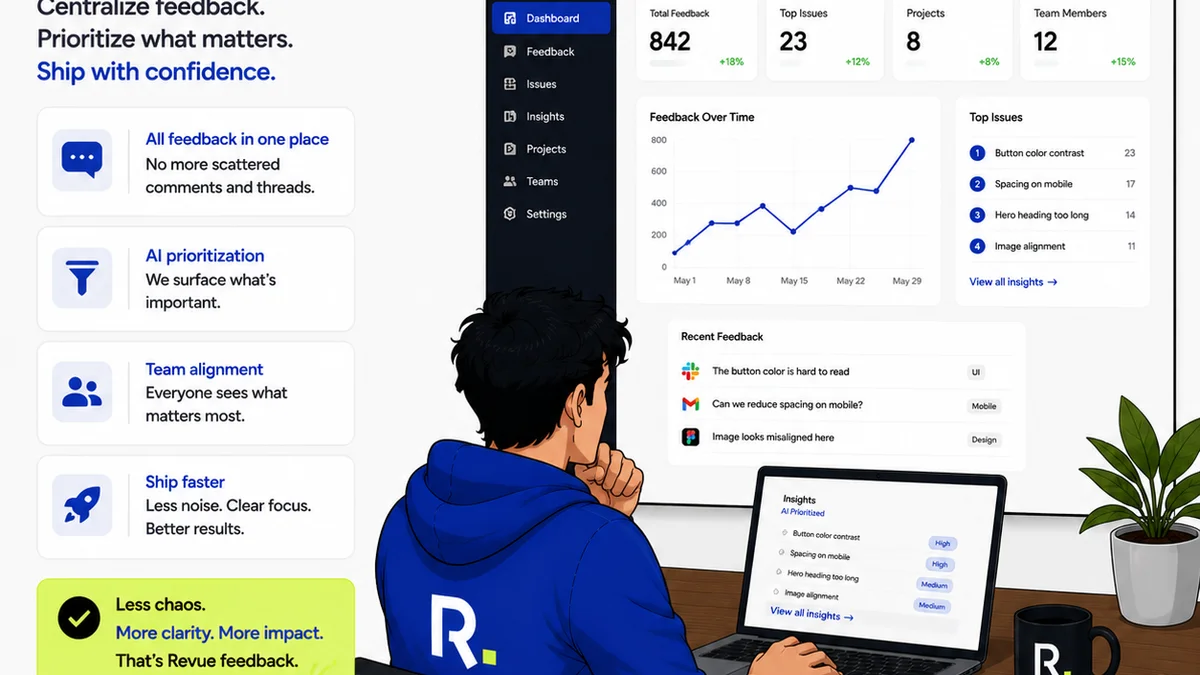
- Feedback arrives in a dozen different email threads, Slack channels, and Google Docs comments.
- You get conflicting feedback from different stakeholders on the same asset.
- Revisions are requested without clear rationale, making them hard to implement effectively.
Frequently asked questions
What are common creative project bottlenecks?
Common creative project bottlenecks include unclear or delayed client feedback, inefficient revision processes, scope creep, poor communication, resource allocation issues, and a lack of clear project definition. These often stem from systemic workflow problems rather than individual performance.
How can I prevent project bottlenecks?
Prevention involves establishing clear project briefs, setting realistic timelines, implementing a structured feedback and approval process, managing scope creep proactively, fostering open communication within the team and with clients, and utilizing project management tools to maintain visibility.
Is scope creep always a bottleneck?
Scope creep is a significant contributor to bottlenecks because it adds work without adjusting time or resources, stretching the project beyond its original plan. Unmanaged scope creep inevitably leads to delays and resource strain.
How does client feedback cause bottlenecks?
Feedback causes bottlenecks when it's vague, conflicting, delayed, or delivered through fragmented channels. This ambiguity and delay force teams to guess, redo work, or wait for clarification, halting progress.