Everyone knows creative project management involves timelines, budgets, and keeping people on track. That’s the surface-level stuff. It’s not wrong. But it’s incomplete. The real value of project management in a creative agency or in-house team runs much deeper. It’s the invisible architecture that supports great work. Without it, you’re building on sand.
The hard truth? Effective creative project management isn’t an administrative burden; it’s a strategic imperative. It directly impacts the quality of creative output, the efficiency of your team, and the long-term health of your client relationships. Get it wrong, and you’re not just missing deadlines; you’re compromising creativity itself.
1. Beyond the Gantt Chart: The Strategic Core
Project management software often gets reduced to a glorified calendar or a task list. This misses the point entirely. At its best, creative project management is about orchestrating complex creative processes. It’s about making sure the right people are doing the right things at the right time, with the right information.
Think of it as the conductor of an orchestra. The conductor doesn’t play every instrument, but they ensure every section plays in harmony, at the right tempo, and with the intended emotional arc. That’s what good project management does for creative work.
The Illusion of Creative Freedom
Many creatives believe strict project management stifles their process. They feel boxed in by deadlines and rigid structures. This is a common misconception, often born from poor management practices.
When done right, project management doesn't limit creativity. It liberates it. By handling the logistical overhead, it frees up mental bandwidth for the actual creative thinking. It provides a clear framework so artists and designers can focus on their craft, not on chasing down approvals or figuring out the next step.
The Ripple Effect of Chaos
Conversely, a lack of structure breeds chaos. This chaos doesn't just cause delays; it degrades the work. Here’s what happens when project management falters:
- Missed feedback loops lead to rework on wrong assumptions.
- Unclear briefs result in off-target concepts.
- Scope creep goes unchecked, burning out teams and clients.
- Internal communication breaks down, creating silos.
- Quality control is sacrificed for speed.
- Client trust erodes with every missed deliverable or misunderstood request.
This isn't just about being late. It’s about producing suboptimal work and damaging relationships.
2. Defining the Creative Brief: The Blueprint for Success
Every great project starts with a clear understanding of what needs to be achieved. The creative brief is the foundational document. But often, briefs are vague, incomplete, or poorly communicated. This is where project management must step in early.
A strong project manager ensures the brief is not just written, but understood. They facilitate discussions, ask clarifying questions, and confirm alignment between stakeholders before any creative work begins. This proactive approach is critical.
The Anatomy of a Killer Brief
What makes a brief effective? It’s about clarity and specificity. A good project manager will push for:
- Clear Objectives: What business problem are we solving? What does success look like?
- Target Audience: Who are we trying to reach? What are their needs and motivations?
- Key Message: What is the single most important thing the audience should take away?
- Deliverables: Exactly what assets are needed, in what formats, and for which channels?
- Mandatories & Constraints: Brand guidelines, legal requirements, technical specifications.
- Tone of Voice: How should the communication feel?
- Budget & Timeline: Realistic expectations for resources and delivery.
Without these elements, the creative team is essentially working blind. Project management ensures these aren't afterthoughts, but the very first considerations.
From Brief to Execution
Once the brief is solid, the project manager maps out the execution. This involves breaking down the project into manageable phases and tasks. It means identifying dependencies and potential bottlenecks before they arise.
This structured approach allows for iterative development. It builds in checkpoints for feedback and revision, ensuring the project stays on course without sacrificing quality. It’s a disciplined process that respects both the creative vision and the business objectives.
3. Managing Feedback and Revisions: The Iterative Tightrope
Feedback is the lifeblood of creative development. But it’s also a notorious minefield. Unstructured feedback, conflicting opinions, and endless revision cycles can derail even the best projects.
This is perhaps the most visible pain point where project management makes a tangible difference. Centralizing feedback and managing revisions effectively is key to keeping projects moving forward productively.
The Problem with Scattered Feedback
Imagine trying to build a house when the architect, engineer, and client are all shouting instructions from different rooms, via different mediums. That’s what happens without a system for managing feedback.
- Emails get lost.
- Verbal feedback is misremembered.
- Comments on different versions of a file create confusion.
- Stakeholders aren't aware of feedback from others.
- It’s impossible to track what’s been addressed and what hasn’t.
This leads to frustration, wasted time, and often, a final product that satisfies no one.
Establishing a Feedback Protocol
A good project manager implements clear protocols for feedback. This typically involves:
- Designated Reviewers: Clearly identifying who needs to provide feedback at each stage.
- Consolidated Feedback Rounds: Batching feedback into specific review periods, rather than constant ad-hoc comments.
- Centralized Platform: Using a single tool or system to collect all comments and markups.
- Actionable Summaries: Synthesizing feedback into clear, actionable tasks for the creative team.
- Stakeholder Alignment: Ensuring feedback is consistent and that differing opinions are reconciled by a decision-maker.
This creates a streamlined, efficient process that respects everyone’s time and leads to clearer outcomes.
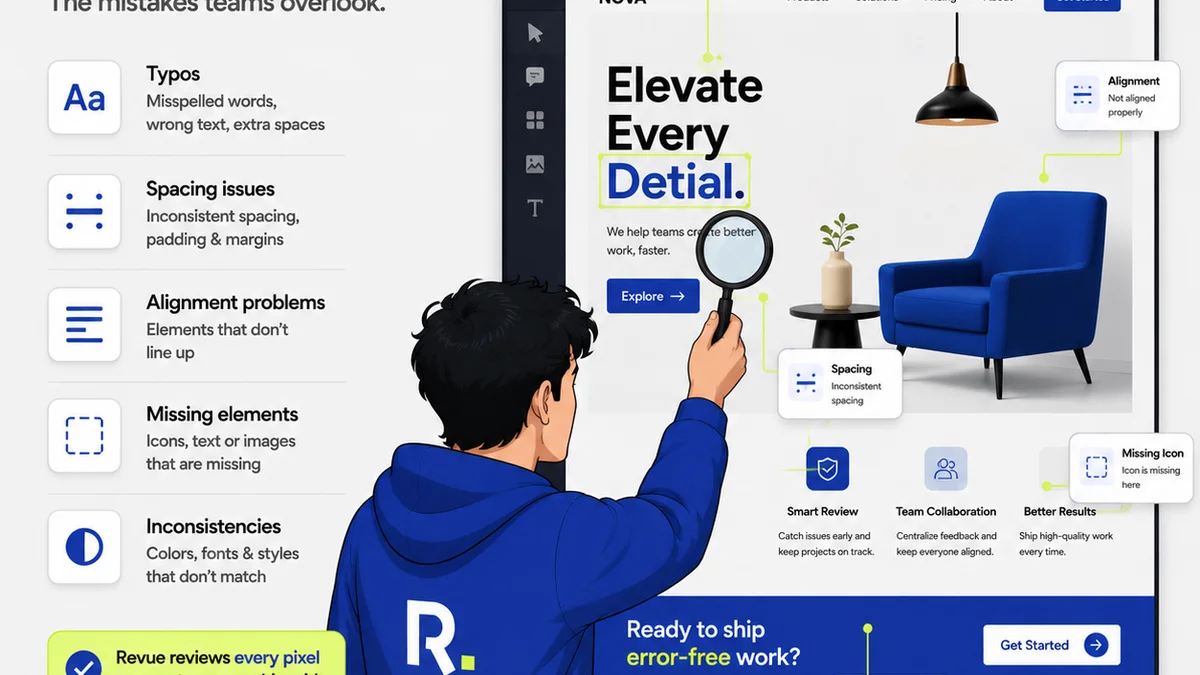
4. Quality Assurance: The Gatekeeper of Excellence
It’s tempting to rush the final stages of a project to meet a deadline. But cutting corners on quality assurance (QA) is a false economy. Poorly checked work can damage brand reputation and undermine the entire project’s success.
Creative project management includes a critical QA phase. This isn't just about proofreading; it's a comprehensive check against the brief, brand guidelines, and technical specifications.
What QA Actually Entails
A thorough QA process goes beyond surface-level checks. It ensures:
- Accuracy: All copy, imagery, and data are correct.
- Consistency: The design adheres to brand guidelines across all touchpoints.
- Functionality: Links work, forms submit, and interactive elements behave as expected (especially crucial for digital projects).
- Technical Compliance: Files are correctly formatted, sized, and structured for their intended platform (e.g., web, print, social).
- Brief Alignment: The final output directly addresses the objectives and requirements of the original brief.
This phase requires meticulous attention to detail. It’s the final gatekeeper, ensuring only polished, professional work goes out the door.
The Cost of Skipping QA
Skipping QA might save a few hours upfront, but the long-term costs are significant:
- Client dissatisfaction due to errors or inconsistencies.
- Damage to brand reputation.
- Costly rework or recrimination if errors are discovered post-launch.
- Erosion of trust in the agency or internal team's capabilities.
A project manager champions the QA process, ensuring it’s not an optional step but a non-negotiable part of delivering high-quality creative work.
5. Where Revue Fits In
Managing these complex workflows – from briefing to final approval – requires robust tools. This is precisely why platforms like Revue exist.
Revue centralizes client feedback, making it easy to collect, organize, and act upon. Instead of scattered emails and messages, all comments and approvals live in one accessible place. This transparency is invaluable for both the creative team and the client.
The platform provides clear visibility into the revision and approval process. Stakeholders can see the status of their feedback and the overall project progress. This clarity reduces ambiguity and prevents common points of friction.
Furthermore, by providing a structured environment for feedback and approvals, Revue inherently supports the quality check process. It ensures that all necessary steps are followed and documented, contributing to a more reliable and professional final output.
6. Final Thought
Creative project management is often seen as a necessary evil, a bureaucratic hurdle to the exciting work of creation. But this perspective fundamentally misunderstands its role. It’s not about control; it’s about enablement.
When executed strategically, project management becomes a powerful lever. It elevates the quality of creative output, fosters better team collaboration, and builds deeper trust with clients. It transforms a chaotic process into a predictable, high-performing engine for creative success.
The question isn't whether you can afford to invest in good project management. It's whether you can afford the cost of not having it.
Frequently asked questions
What is the difference between creative project management and general project management?
While general project management focuses on scope, time, and budget, creative project management specifically accounts for the iterative, subjective, and often unpredictable nature of creative work. It emphasizes facilitating the creative process, managing subjective feedback, and ensuring the final output meets both strategic objectives and aesthetic quality standards.
How can project management improve creativity?
Effective project management frees creatives from administrative burdens and logistical chaos. By providing clear briefs, structured workflows, and efficient feedback loops, it allows teams to focus their energy on ideation, execution, and refining their craft, ultimately leading to better creative outcomes.
What are the key challenges in managing creative projects?
Common challenges include unclear briefs, managing subjective and conflicting client feedback, scope creep, unrealistic timelines, communication breakdowns, and balancing creative freedom with project constraints. Strong project management protocols are designed to address these specific issues.
How does a project manager handle conflicting client feedback?
A skilled project manager acts as a mediator. They ensure all feedback is captured, then facilitate a discussion to clarify objectives and priorities. They guide stakeholders towards a consensus, often by referring back to the original brief and project goals, and clearly document the final decision.