You hear it all the time: good creative project management means hitting deadlines, staying on budget, and keeping clients happy. That’s the party line. And none of that is wrong. But it’s incomplete.
The deeper truth? Effective creative project management is about building an engine for consistent, high-quality output, not just a fire-fighting squad.
Most agencies get bogged down in the tactical, missing the strategic operational shifts that prevent chaos in the first place. They react instead of proactively structuring for success. This leads to burnout, missed opportunities, and a general feeling of being out of control.
1. The Illusion of 'Just Tell Me What You Want'
This is the biggest trap. Clients, and even internal stakeholders, think creative work is purely subjective. They believe if they can just articulate their vague feelings, the perfect deliverable will magically appear.
This assumption ignores the messy, iterative reality of creative production.
The Hard Truth: Ambiguity is the Enemy
Ambiguity kills creative momentum. It’s the root cause of endless revisions, scope creep, and projects that feel like they’re perpetually stuck in neutral. Without clear definitions and structured feedback loops, you’re essentially asking your team to navigate a minefield blindfolded.
- Vague briefs lead to wasted creative effort.
- Unstructured feedback results in scope creep.
- Lack of clear sign-off points prolongs the process.
- Team members second-guess direction constantly.
Effective creative project management starts by dismantling ambiguity, not by indulging it. It requires systems for defining scope, setting expectations, and channeling feedback constructively.
2. Treating Feedback as a Monolith
Client feedback is often treated like a single, monolithic block of input. It arrives in a giant email, a Slack thread, or a rambling call. Then it’s up to the project manager or creative lead to decipher the gems from the noise.
This is a recipe for disaster.
The Hard Truth: Feedback Needs Structure to Be Actionable
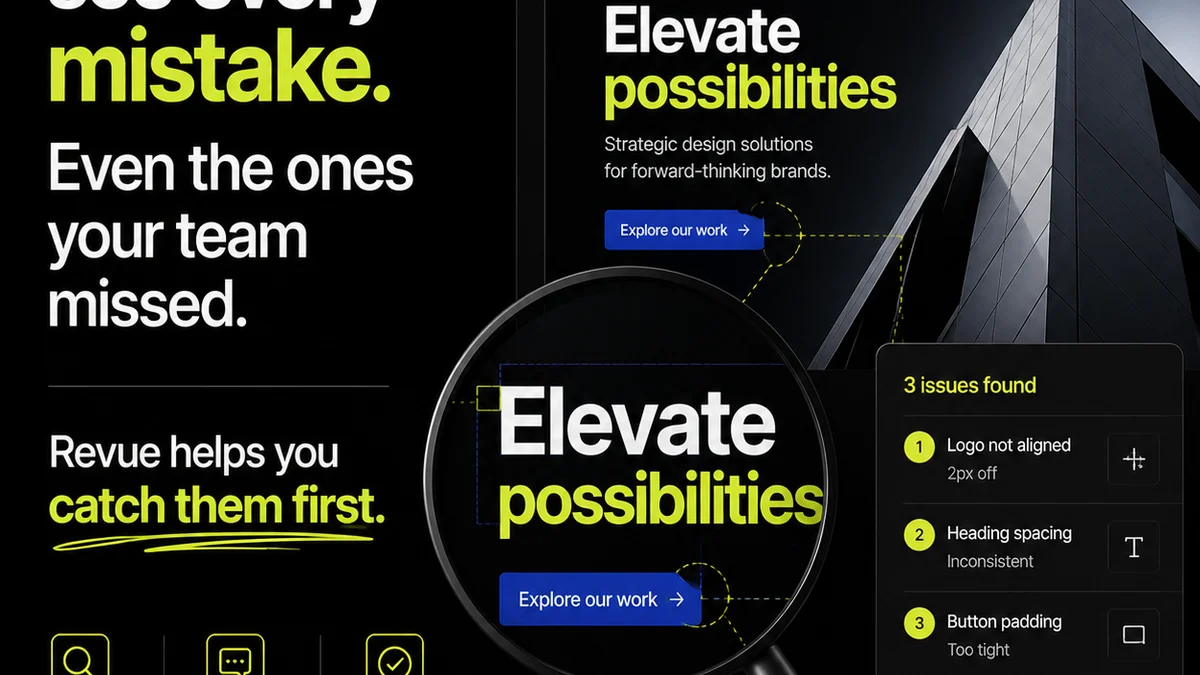
Feedback is rarely a single decree. It’s a collection of observations, suggestions, and sometimes, outright contradictions. If you don’t have a system for capturing, organizing, and prioritizing this input, you’re setting yourself up for internal conflict and project delays.
- Key points get lost in long email chains.
- Conflicting feedback from different stakeholders isn’t reconciled.
Frequently asked questions
What is the biggest mistake in creative project management?
The biggest mistake is treating creative project management as purely tactical (hitting deadlines) rather than strategic (building systems for clarity and quality). This leads to reactive firefighting instead of proactive workflow optimization.
How can agencies improve client feedback processes?
Agencies can improve client feedback by establishing structured channels for input, defining clear review stages, and using tools that centralize comments and track revisions. This transforms ambiguous feedback into actionable tasks.
What are the signs of poor creative project management?
Signs include constant missed deadlines, scope creep, team burnout, client dissatisfaction, endless revisions, and a general lack of clarity on project status and next steps.
How does technology help with creative project management?
Technology, like dedicated review and approval platforms, automates workflows, centralizes communication, provides clear audit trails, and ensures everyone is working from the latest version, reducing errors and speeding up approvals.