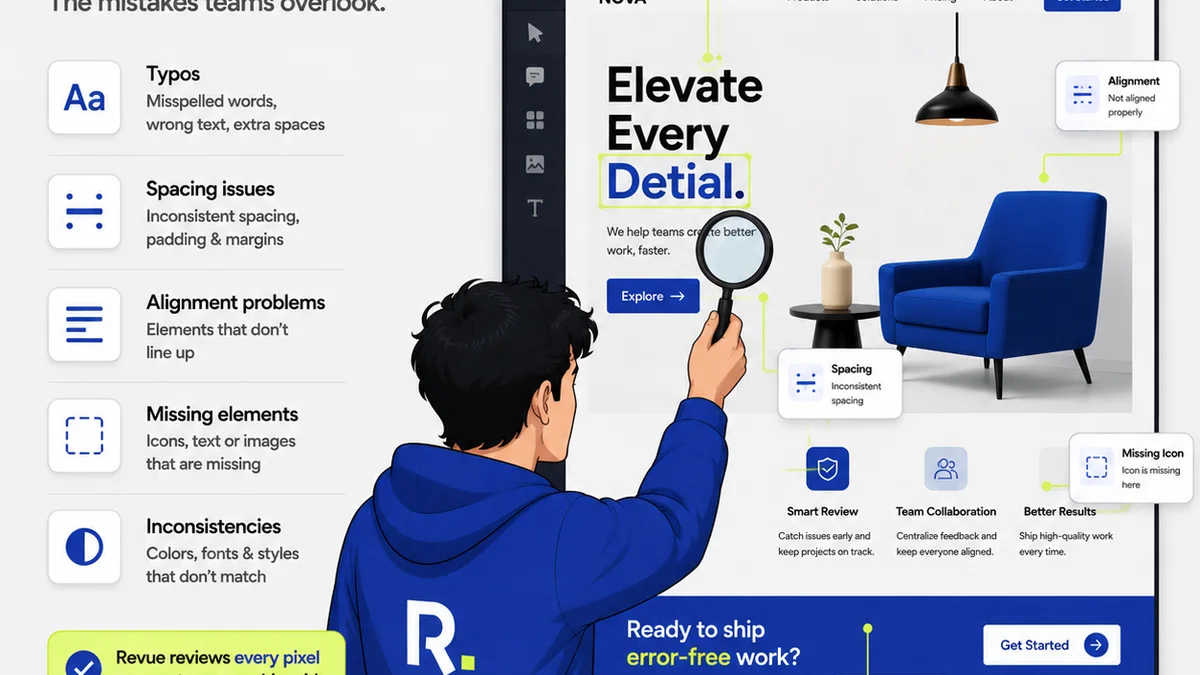
Everyone thinks creative project management is about timelines. Gantt charts, deadlines, critical paths. Keep the train moving, hit the launch date. That’s the assumption.
None of that is wrong. But it’s incomplete. It’s like saying a symphony is just about the conductor’s tempo.
The hard truth? Effective creative project management is less about tracking time and more about managing *flow*. Specifically, the flow of feedback, revisions, and approvals. That's where creative projects live or die.
1. The Feedback Friction Point
The biggest bottleneck in creative work isn't the design itself. It's the messy, often chaotic, process of gathering and acting on client feedback.
Think about it. How many times has a project stalled because feedback was unclear? Sent in a scattered email thread? Or worse, delivered verbally and then forgotten?
The Symptoms of Feedback Friction
- Endless revision cycles with no clear end in sight.
- Misunderstandings leading to work that misses the mark, repeatedly.
- Key stakeholders not providing input until the eleventh hour.
Frequently asked questions
What's the biggest mistake agencies make in creative project management?
Focusing too much on timelines and not enough on the actual flow of information – especially feedback, revisions, and approvals. This leads to bottlenecks and repeated rework.
How can I improve client feedback quality?
Establish clear channels and formats for feedback. Use tools that allow for contextual comments directly on the creative asset. Set expectations for what constitutes actionable feedback.
What are the key stages of creative project management?
While specific steps vary, core stages include: Briefing & Planning, Creative Development, Feedback & Revision, Approval, and Delivery/Launch. The critical part is managing the transitions between these stages, especially feedback and approval.
How does project management software help creative teams?
It centralizes communication, provides a single source of truth for assets and feedback, automates workflows, improves visibility into project status, and reduces the risk of miscommunication or lost information.