Everyone thinks they know what 'creative project status' means. It’s the thing you check at the end of the day, right? The green light, the red flag, the 'needs more coffee' amber. None of that is wrong. But it’s incomplete. It’s a surface-level check that misses the engine trouble brewing underneath.
The hard truth? A true creative project status is a granular, multi-faceted assessment that ensures not just progress, but *quality* and *alignment* at every single stage. It’s the difference between a project that’s 'finished' and one that’s truly 'ready'.
1. The Illusion of 'On Track'
We often use 'on track' as a catch-all. It sounds good. It implies forward momentum. But what does it *really* mean for a creative project?
Is it on track if the client loves the concept but the design is technically flawed? Is it on track if the copy is brilliant but the visuals are off-brand? 'On track' can hide a multitude of sins.
Defining 'On Track' for Different Disciplines
- Design: Visual consistency, adherence to brand guidelines, technical file readiness, accessibility standards met.
- Copywriting: Tone of voice, clarity, conciseness, SEO optimization, factual accuracy, legal/compliance review.
- Development: Functionality, performance, security, cross-browser/device compatibility, code quality.
- Strategy: Alignment with brief, target audience relevance, measurable objectives considered.
Without specific criteria for each, 'on track' is just a hopeful whisper in the wind.
2. The Feedback Loop: A Minefield or a Highway?
Client feedback is the lifeblood of creative work. It’s also the fastest way to derail a project if mishandled. A robust status checklist interrogates the feedback process itself.
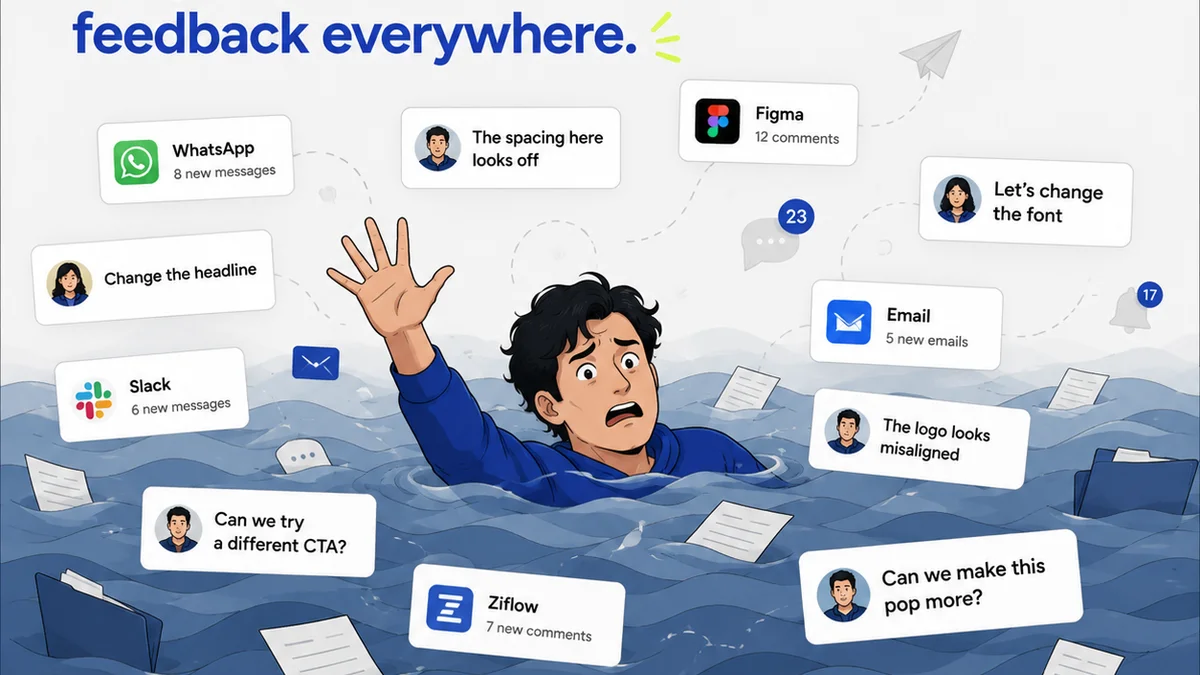
Is feedback timely? Is it consolidated? Is it actionable? Or is it a chaotic barrage of conflicting opinions and subjective whims?
Status Checks on Feedback Quality
- Timeliness: Was feedback provided within the agreed SLA? Delays here impact the entire schedule.
- Consolidation: Was all feedback from a single stakeholder group (e.g., Marketing) gathered in one place? Or are we getting emails, Slack messages, and verbal comments separately?
- Clarity: Is the feedback specific? 'Make it pop more' is not actionable. 'Increase contrast on the CTA button by 20%' is.
- Actionability: Can the team actually implement the feedback? Does it conflict with previous feedback or the core brief?
- Approval vs. Suggestion: Is this a hard stop or a 'nice-to-have' suggestion? The status must reflect this distinction.
A project can be 'on track' according to the calendar, but completely stalled if the feedback process is broken.
3. Revision Cycles: Controlled Burns or Wildfires?
Revisions are inevitable. The status checklist needs to track not just *that* revisions are happening, but *how effectively*.
Are we cycling endlessly on the same point? Is scope creep disguised as 'just one more small tweak'? Effective revision tracking is key.
Status Indicators for Revision Cycles
- Cycle Count: How many revision rounds have been completed for this deliverable?
- Time per Cycle: How long is each revision cycle taking? Are we meeting internal targets?
- Key Changes Logged: What were the primary revisions requested and actioned in the last cycle?
- Scope Creep Flag: Does the current round of feedback significantly alter the original scope or objective?
- Final Approval Pending: Has the deliverable reached a state where it’s ready for final sign-off, or are we still iterating broadly?
A project status should highlight if it’s stuck in an infinite revision loop.
4. Quality Assurance: The Gatekeeper You Can't Skip
This is where many projects falter. The 'deadline is looming' panic leads to skipping QA. This is a false economy. The status of quality assurance is non-negotiable.
QA isn't just about catching typos. It's about ensuring the final output meets all requirements – functional, aesthetic, strategic, and brand-aligned.
The QA Status Checklist Items
- Functional Testing: Does it work as intended? (e.g., links, forms, interactive elements)
- Usability Testing: Is it intuitive and easy to use?
- Accessibility Audit: Does it meet WCAG standards? (e.g., color contrast, keyboard navigation)
- Brand Compliance: Does it adhere to brand guidelines (logos, colors, typography)?
- Content Accuracy: Is all copy factually correct and free of errors?
- Technical Performance: Does it load quickly and perform well across devices?
- Deliverable Format Check: Is the file format correct? Are all layers/elements organized as per specs?
If any of these are 'no', the project is *not* ready, regardless of what the calendar says.
5. Stakeholder Alignment: The Silent Killer
A project can be technically perfect, visually stunning, and on time, yet fail if key stakeholders aren't aligned. The status must reflect this alignment.
Misalignment often surfaces late, causing major rework or project failure. Proactive status checks must include stakeholder sentiment.
Assessing Stakeholder Alignment
- Key Decision-Maker Sign-off: Have the primary approvers given their explicit go-ahead?
- Cross-Departmental Consensus: If multiple departments are involved (e.g., Marketing, Sales, Legal), have they all signed off?
- Understanding of Objectives: Do all key stakeholders still agree on the project's goals and success metrics?
- Expectation Management: Are stakeholder expectations realistic regarding the final output and its capabilities?
A project status update that doesn't touch on stakeholder alignment is an incomplete picture.
Where Revue Fits In
Managing creative project status effectively requires visibility. You need a single source of truth for feedback, revisions, and approvals. That’s where Revue comes in.
Revue centralizes client feedback, ensuring it’s consolidated, actionable, and logged against specific project elements. This eliminates the chaotic mix of emails and messages that obscure true status.
Our platform tracks revision history transparently. You can see exactly what changed, when, and by whom. This provides a clear status of the iteration process, making it easy to identify bottlenecks or scope creep.
Furthermore, Revue streamlines the approval process. Stakeholders can give clear sign-offs, moving the project status from 'in progress' to 'approved' with confidence. This ensures that quality assurance checks are performed on the *final* agreed-upon version, not a version from three cycles ago.
Ultimately, Revue provides the clarity needed to move beyond a superficial 'status' to a deep understanding of project readiness and quality.
Final Thought
What if we stopped asking
Frequently asked questions
What is the main benefit of a detailed creative project status checklist?
The main benefit is moving beyond a superficial 'on track' or 'done' status to gain deep clarity on project quality, stakeholder alignment, and potential risks. It ensures that 'finished' truly means 'ready' and prevents costly surprises late in the process.
How does a status checklist help manage client feedback?
A checklist prompts you to evaluate the *quality* and *process* of feedback, not just its existence. It helps ensure feedback is timely, consolidated, actionable, and clearly distinguished between approval and suggestion, preventing chaos and rework.
Can a status checklist prevent scope creep?
Yes, by including specific checkpoints for revision cycles and flagging feedback that significantly alters the original scope. It forces a clear assessment of whether requested changes align with the project brief and budget, making scope creep more visible.
Why is Quality Assurance (QA) critical for project status?
QA is critical because it's the final gatekeeper for quality. A project isn't truly ready until it passes essential checks like functionality, usability, accessibility, brand compliance, and technical performance. Skipping QA risks delivering a flawed product despite meeting deadlines.
How does Revue help implement a better project status system?
Revue centralizes feedback, tracks revisions transparently, and streamlines approvals. This provides the necessary visibility and structure to implement a granular status assessment, ensuring all aspects of quality and alignment are continuously monitored.