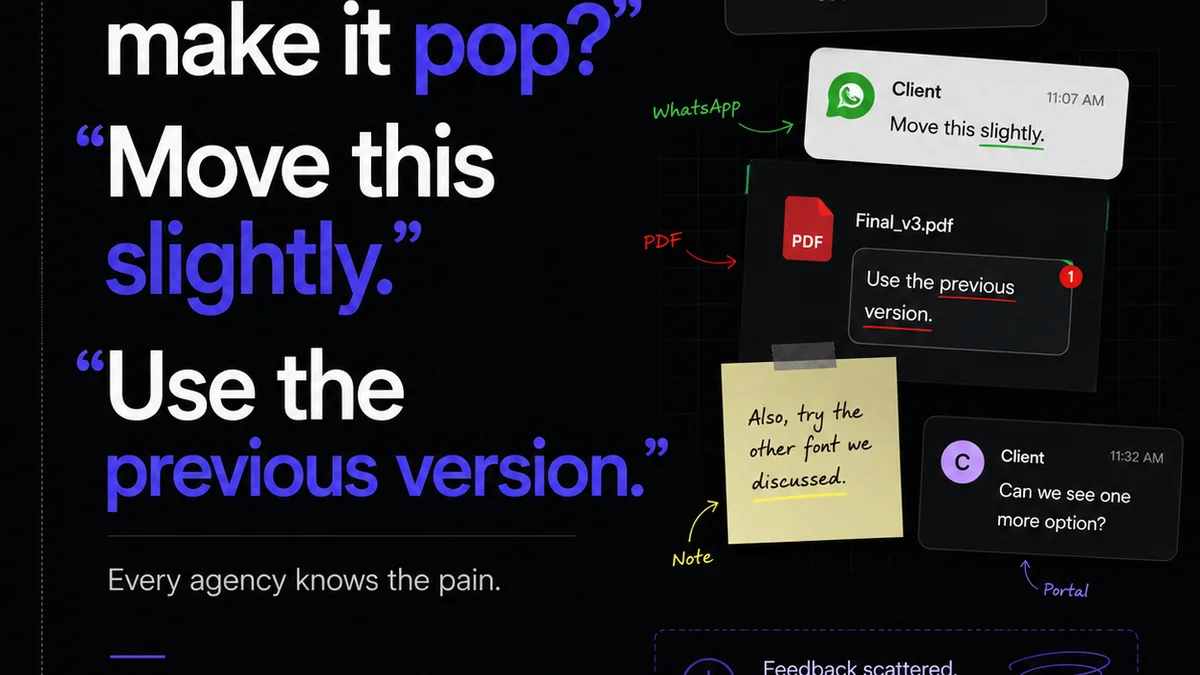
Everyone thinks creative proofreading is just about catching typos and grammatical errors. Like it’s a final sweep with spellcheck and a quick read-through before hitting send.
None of that is wrong. But it’s incomplete.
The hard truth is that effective creative proofreading is a strategic function. It’s about safeguarding the client’s message, the agency’s reputation, and the creative team’s hard work. It’s the last line of defense against miscommunication and brand damage.
1. The Misconception: Proofreading is Just a Task
Many teams treat proofreading as a low-level administrative task. Something to be done when time allows, or handed off to the most junior person. This is a critical mistake. It misunderstands the cognitive load and the specialized skill involved.
Creative work isn't just text. It's visuals, tone, context, and brand voice. Proofreading needs to account for all of it.
The Real Job: A Multifaceted Audit
A true creative proofread is an audit. It checks for:
- Accuracy: Factual correctness, names, dates, figures, URLs.
- Consistency: Brand voice, tone, terminology, style guides, visual elements.
- Clarity: Is the message understandable? Is the call to action clear?
- Completeness: Are all required elements present? Is anything missing?
- Compliance: Adherence to client briefs, legal requirements, accessibility standards.
- Impact: Does the creative achieve its intended goal? Is it persuasive?
This isn't a simple
Frequently asked questions
What's the difference between editing and proofreading?
Editing focuses on clarity, flow, structure, and overall message. Proofreading is the final check for surface-level errors like typos, grammar, and punctuation before publication.
Who should be responsible for creative proofreading?
Ideally, it should be someone other than the creator. This could be a dedicated proofreader, an editor, a project manager, or even a colleague from a different team who has a fresh perspective.
How can I improve my creative proofreading skills?
Read widely, pay attention to detail in everyday life, use proofreading tools (but don't rely on them solely), take breaks, read aloud, and focus on one type of error at a time during a read-through.
What are common proofreading mistakes in creative work?
Inconsistent brand voice, factual inaccuracies, typos in client names or product details, incorrect links, overlooking visual inconsistencies, and failing to meet brief requirements are common.