Everyone talks about the creative process. The ideation, the design, the strategy. But what about the final stage? The quality assurance. Many assume creative QA is just a quick spell-check or a glance for obvious errors. That’s a dangerous assumption.
It’s the difference between a project that lands perfectly and one that causes embarrassment. Or worse, legal trouble.
1. The Hard Truth About Creative QA
Most agencies treat creative QA as a low-level task, a checkbox to tick off before delivery. They see it as purely technical: proofreading, checking file formats, making sure links work. None of that is wrong. But it’s incomplete.
The real work of creative QA is strategic. It’s about ensuring the creative output not only meets the brief and brand guidelines but also the client’s business objectives and the agency’s own standards of excellence. It’s a gatekeeper for your agency’s reputation.
Think about it: a brilliant campaign that misses a crucial legal disclaimer, or a stunning website design that violates accessibility standards. The creative might be beautiful, but the execution is flawed. That’s a failure. And it’s a failure that can be prevented.
2. Beyond the Checklist: Strategic QA Pillars
Effective creative quality assurance goes far beyond a simple to-do list. It requires a structured approach, clear ownership, and a deep understanding of the project’s goals.
2.1. Strategic Alignment
Does the creative actually solve the problem it was intended to solve? This is the first and most important question. QA isn’t just about finding mistakes; it’s about validating the strategy.
- Does the headline speak to the target audience?
- Does the visual hierarchy guide the user effectively?
- Does the call to action align with the campaign objective?
- Is the tone of voice consistent with the brand?
This level of strategic review often gets skipped because it’s harder. It requires context and critical thinking, not just a visual scan.
2.2. Brand Integrity
Every piece of creative work is a brand touchpoint. QA must ensure it upholds and strengthens the brand, not weakens it.
- Are the correct logos and brand colors used?
- Is the typography consistent with brand guidelines?
- Does the overall aesthetic align with the brand’s personality?
This is where brand guidelines documents become critical. But more than that, it’s about instilling an understanding of the brand across the team.
2.3. Technical and Functional Accuracy
This is the traditional QA territory, but it’s still vital. Errors here can range from embarrassing typos to critical functionality failures.
- Proofreading for grammar, spelling, and punctuation.
- Checking all links, buttons, and interactive elements.
- Verifying file formats, resolutions, and bleed settings for print.
- Ensuring responsiveness across different devices and browsers for digital.
- Confirming adherence to accessibility standards (e.g., WCAG).
A good example is the Web Content Accessibility Guidelines (WCAG). Ensuring your digital creative meets these standards isn't just good practice; it's often a legal requirement.
2.4. Legal and Compliance Checks
This is non-negotiable. A single overlooked legal requirement can lead to massive fines and reputational damage.
- Are all necessary disclaimers present and correctly worded?
- Are there any trademark infringements?
- Is all imagery licensed appropriately?
- Does the content comply with relevant advertising standards and regulations?
This often requires input from legal counsel or a specialist, but the creative team needs to flag potential issues during QA.
3. Establishing a Robust QA Workflow
A haphazard approach to creative QA is a recipe for disaster. You need a defined process.
3.1. Define Roles and Responsibilities
Who is responsible for what? Trying to have everyone do everything leads to no one doing it properly.
- Project Manager: Oversees the QA process, ensures deadlines are met, and manages client communication regarding feedback.
- Creative Lead/Art Director: Responsible for strategic and brand alignment checks.
- Copywriter/Editor: Owns the proofreading and tone of voice review.
- Designer/Developer: Conducts technical and functional checks specific to their discipline.
- Dedicated QA Specialist (if applicable): Performs a final, objective review across all aspects.
Even in small teams, assigning primary responsibility for each check is crucial.
3.2. Create Standardized Checklists
While QA is strategic, checklists provide a safety net. They ensure no critical item is missed, especially under pressure.
Your checklists should be tailored to the project type:
- Web Design QA Checklist: Browser compatibility, link checks, form validation, responsiveness, accessibility (color contrast, alt text), SEO elements.
- Print Design QA Checklist: Resolution, bleed, trim, color mode (CMYK/RGB), font embedding, proofreading.
- Video QA Checklist: Audio levels, sync, rendering, aspect ratio, subtitles, call-to-action placement.
These aren't rigid rules but guides. The strategic review always comes first.
3.3. Implement Version Control and Staging Environments
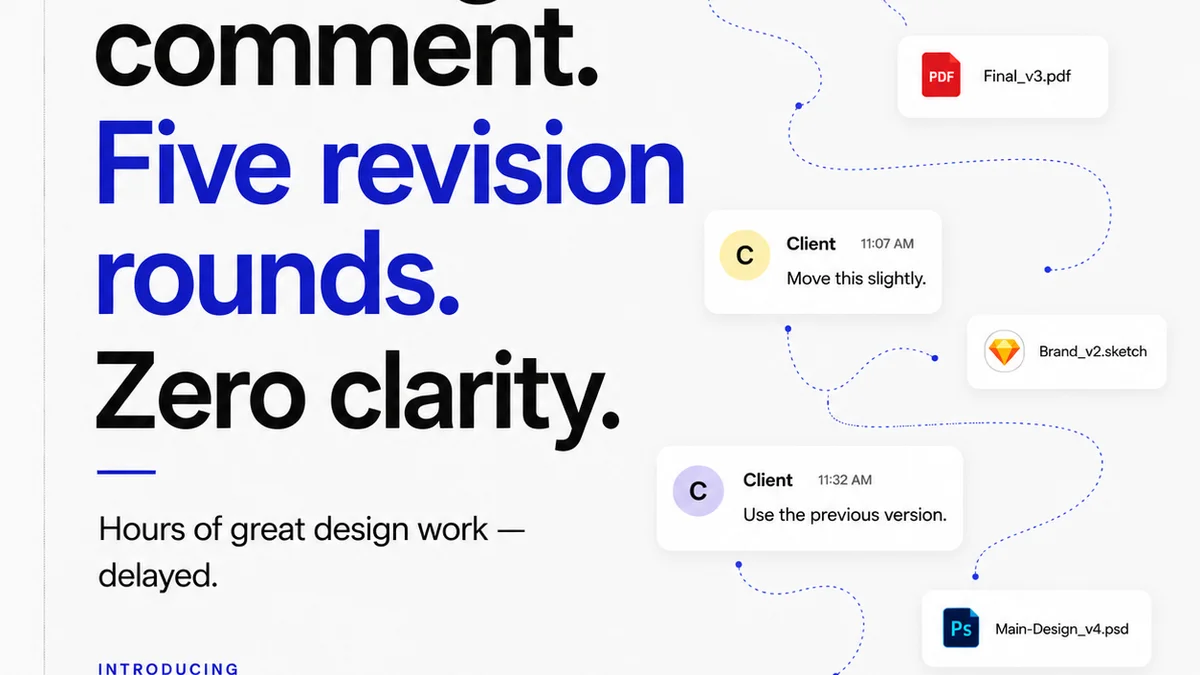
Mistakes happen when multiple versions of a file are floating around. Clear version control prevents confusion.
Use clear naming conventions (e.g., `ProjectName_Version_Date_Initials.ext`).
For digital projects, staging environments are essential. They allow for testing in a live-like setting before deployment. This is where you catch bugs that only appear in a production environment.
3.4. Schedule Dedicated QA Time
Don't cram QA into the last hour before a deadline. Build it into the project timeline.
This allows reviewers to be thorough and objective, rather than rushing through.
It also provides buffer time for necessary revisions without jeopardizing the delivery date.
3.5. Foster a Culture of Quality
QA shouldn't be seen as criticism; it should be seen as collaboration towards a better outcome.
Encourage team members to flag potential issues early and often. Make it safe to point out problems, no matter how small they seem.
A team that values quality will naturally be more diligent in its QA efforts.
4. Where Revue Fits In
Managing feedback and revisions for creative projects can quickly become chaotic. This chaos is the enemy of effective QA.
Revue helps streamline the entire feedback loop, which is critical for maintaining quality control.
- Centralized Feedback: All client comments and internal stakeholder feedback live in one place, attached directly to the creative asset. This eliminates scattered email threads and missed comments.
- Clear Revision Tracking: See exactly what changed between versions and who approved what. This transparency is invaluable for understanding the evolution of a project and identifying potential quality gaps introduced during revisions.
- Streamlined Approvals: Formal approval stages within Revue ensure that specific checkpoints are met before a project moves forward. This prevents unfinished or un-QA'd work from being presented as final.
- Visibility into Quality Checks: While Revue doesn't perform the QA itself, it provides the structured environment where QA tasks can be assigned, tracked, and documented. This ensures that the quality assurance steps are not skipped and that there's a clear audit trail.
By centralizing communication and approvals, Revue reduces the chances of errors slipping through the cracks due to miscommunication or disorganization. It creates a more controlled environment where quality can be systematically managed.
5. Common Pitfalls to Avoid
Even with the best intentions, agencies can stumble. Recognizing these common traps is the first step to avoiding them.
5.1. Rushing the Final Stage
The pressure to deliver often leads to QA being squeezed. Treat it as a critical milestone, not an optional add-on.
5.2. Assuming
Frequently asked questions
What is the primary goal of creative QA?
The primary goal of creative quality assurance (QA) is to ensure that creative work not only meets the project brief and brand guidelines but also aligns with the client's business objectives and upholds the agency's standards of excellence, thereby protecting the agency's reputation and ensuring client satisfaction.
Who should be responsible for creative QA?
Responsibility for creative QA should be clearly defined. While a dedicated QA specialist can be valuable, typically the Project Manager oversees the process, the Creative Lead handles strategic/brand alignment, copywriters/editors focus on text, and designers/developers conduct technical checks. Team members should be empowered to flag issues.
How can I prevent QA from being rushed?
Prevent QA from being rushed by scheduling dedicated time for it within the project timeline. Treat QA as a critical milestone, not an optional task to be done at the last minute. Building in buffer time allows for thoroughness and reduces the risk of errors.
What are the key components of a good creative QA process?
A good creative QA process includes strategic alignment checks, brand integrity verification, technical and functional accuracy, and legal/compliance reviews. It also requires defined roles, standardized checklists, version control, and a culture that values quality.