You probably think creative Quality Assurance (QA) is about catching typos or making sure the logo is the right size. None of that is wrong. But it’s incomplete.
For insurance, creative QA is about mitigating risk. It’s the last line of defense against costly errors, regulatory fines, and brand damage. It’s not just about aesthetics; it’s about accuracy and compliance.
1. The High Stakes of Insurance Creative
Insurance is a complex industry. Policies, terms, conditions, and legal disclaimers are dense. Communicating these clearly and accurately is paramount.
A misplaced comma, an outdated disclaimer, or a misleading tagline can have severe financial and legal repercussions.
Accuracy is Non-Negotiable
Every piece of creative collateral—from a social media ad to a policy document—carries weight. Accuracy isn't a nice-to-have; it's a fundamental requirement.
Consider the potential fallout:
- Misrepresenting coverage details.
- Failing to include mandatory legal disclosures.
- Using outdated regulatory information.
- Incorrect pricing or premium information.
These aren't minor oversights. They are direct pathways to compliance breaches and customer lawsuits.
Brand Trust is Fragile
Insurance is built on trust. Customers entrust companies with their financial security and peace of mind.
A single, high-profile error in marketing materials can erode that trust instantly. It signals a lack of attention to detail, which can translate to a lack of attention to customer needs.
Regulatory Minefields
The insurance industry is heavily regulated. Compliance requirements vary by state, product, and marketing channel.
Failure to adhere to these regulations can result in:
- Hefty fines from bodies like the NAIC or state insurance departments.
- Mandatory retraction and re-issue of marketing materials.
- Damage to the company’s reputation with regulators and the public.
Creative teams need to be acutely aware of these regulatory landscapes. QA is where that awareness is tested.
2. Common Creative QA Pitfalls in Insurance
Many agencies and in-house teams treat creative QA like a final proofread. This is a critical mistake.
Effective QA for insurance creative goes far beyond surface-level checks. It requires a deep understanding of the product, the audience, and the regulatory environment.
The 'Just a Proofread' Trap
Assuming a copywriter or designer can catch all errors is wishful thinking. They are too close to the work.
A dedicated QA process involves fresh eyes, specific checklists, and cross-functional review.
Lack of Domain Expertise
A generalist QA tester might miss nuances specific to insurance. Terms like 'deductible,' 'premium,' 'underwriting,' and 'waiver' have precise meanings.
Misuse or misunderstanding of these terms can lead to inaccurate messaging.
Siloed Workflows
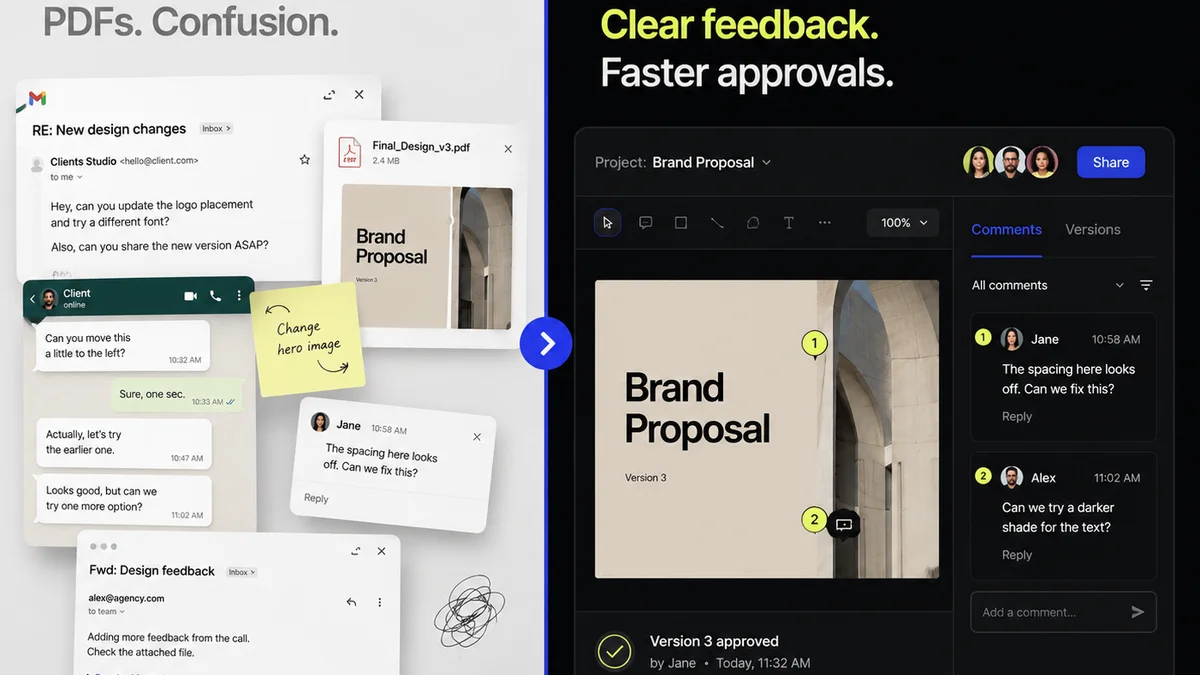
When feedback and revisions happen in scattered email threads or random documents, context gets lost. This increases the chance of errors slipping through.
A centralized system for feedback and approvals is essential for maintaining clarity and accountability.
Inadequate Testing Across Channels
Creative assets are deployed across numerous platforms: websites, social media, print ads, email campaigns, policy documents, agent portals.
Each channel has its own technical requirements and potential for rendering issues. QA must account for this.
Insufficient Time Allocation
Rushing the QA process is a recipe for disaster. It’s often the first step to be cut when deadlines loom.
This is precisely when it's most needed. Allocate realistic time for thorough review and necessary revisions.
3. Building a Robust Creative QA Process for Insurance
A robust QA process isn't about adding bureaucracy. It's about building efficiency and reducing risk.
It starts with a clear understanding of what needs to be checked and who is responsible.
Define Clear Standards and Checklists
Develop comprehensive QA checklists tailored to insurance creative. These should cover:
- Accuracy: Policy details, coverage limits, exclusions, pricing, legal disclaimers.
- Compliance: Adherence to state and federal regulations, FTC guidelines, state insurance department mandates.
- Clarity: Understandable language, avoidance of jargon where possible, clear calls to action.
- Brand Consistency: Tone of voice, brand guidelines, logo usage, color palette.
- Technical Specs: File formats, resolution, accessibility standards (e.g., WCAG for digital assets), responsiveness across devices.
- Legal Review: Sign-off from legal and compliance departments.
These checklists should be living documents, updated as regulations and products change.
Involve Cross-Functional Teams
QA shouldn't be solely the responsibility of the creative department. Engage other stakeholders early and often:
- Legal & Compliance: Essential for regulatory adherence and risk assessment.
- Product Development: For accurate representation of policy features.
- Sales/Marketing Leads: To ensure messaging aligns with campaign goals and market needs.
- Customer Service: To provide insights into customer understanding and potential pain points.
This collaborative approach ensures all critical perspectives are considered before launch.
Leverage Technology for Centralization
Scattered feedback is a major source of error. Use tools designed for creative review and approval.
Centralized platforms allow for:
- Consolidated feedback in one place.
- Version control and clear audit trails.
- Streamlined approval workflows.
- Reduced back-and-forth via email.
This ensures everyone is working from the latest version and all feedback is captured.
Prioritize Accessibility
For digital creative, accessibility is not optional. It's a legal and ethical requirement.
Ensure all digital assets meet accessibility standards, such as the Web Content Accessibility Guidelines (WCAG).
This includes:
- Sufficient color contrast.
- Alt text for images.
- Keyboard navigability.
- Transcripts for video and audio content.
Accessible creative expands reach and avoids potential discrimination claims.
4. Where Revue Fits In
Managing creative feedback and approvals for complex projects, especially in regulated industries like insurance, can quickly become chaotic.
This is where a platform like Revue can make a significant difference.
Revue helps centralize the entire creative review and approval process. Instead of chasing feedback across emails, Slack messages, and random file shares, all stakeholders can collaborate in one place.
- Centralized Feedback: Stakeholders can leave comments directly on the creative assets, eliminating confusion and ensuring feedback isn't lost.
- Version Control: Track every iteration of a design or piece of copy, ensuring everyone is reviewing the most current version.
- Clear Approval Workflows: Define who needs to review and approve what, with clear status tracking. This visibility is crucial for ensuring no step is missed.
- Audit Trails: Maintain a clear record of all feedback, revisions, and approvals, providing an essential layer of accountability and risk management.
By bringing structure and clarity to creative collaboration, Revue helps ensure that insurance creative meets not only aesthetic standards but also the stringent requirements for accuracy, compliance, and clarity.
Final Thought
In the insurance industry, creative work isn't just about looking good. It’s about being right. It's about compliance, clarity, and ultimately, protecting both the client and the company.
Is your current creative workflow built to handle that level of scrutiny?
Frequently asked questions
What are the biggest risks of poor creative QA in insurance?
Poor creative QA in insurance can lead to significant risks, including regulatory fines, legal liabilities due to misrepresentation of policy details, damage to brand trust, and costly rework of marketing materials. It can also result in customer confusion and dissatisfaction.
How can insurance companies ensure their creative is compliant?
Ensuring compliance involves integrating legal and compliance teams into the creative review process early on. Develop specific checklists that address regulatory requirements for each marketing channel and product. Utilize a centralized feedback platform to maintain clear records and track approvals.
What is the difference between creative QA and a standard proofread?
A standard proofread typically focuses on surface-level errors like typos and grammatical mistakes. Creative QA, especially in insurance, is a more comprehensive process that includes checking for accuracy of policy details, compliance with regulations, clarity of messaging, brand consistency, technical specifications, and legal disclaimers.
How does technology help with creative QA for insurance?
Technology, like centralized feedback and approval platforms, helps by consolidating all communication and feedback in one place, providing clear version control, establishing defined approval workflows, and creating audit trails. This reduces errors caused by scattered information and ensures accountability.