Everyone agrees that a good creative brief is the bedrock of any successful project. A clear brief, right? The holy grail of client communication.
None of that is wrong. But it’s incomplete.
The real truth? A great brief is just the starting point. The operational reality of creative work is a messy dance of feedback, revisions, and approvals. And the workflow that manages that dance is what truly separates agencies that ship great work on time from those that constantly spin their wheels.
1. The 'Brief' Isn't Enough: Understanding the Full Request Lifecycle
We fetishize the initial brief. We treat it as the single point of truth. But projects rarely stay on script.
Client needs evolve. Stakeholders chime in late. Market conditions shift.
Your request workflow needs to account for this inherent flux. It's not about capturing requirements once; it's about managing them dynamically.
The Myth of the Static Project
Think of your projects not as linear paths, but as living ecosystems. Each request, each piece of feedback, is an interaction within that system.
A workflow that’s rigid, that assumes the brief is immutable, is doomed to fail.
Key Stages Beyond the Brief
- Initial Briefing: The foundation.
- Concept Presentation: First visual feedback loop.
- Iterative Revisions: Where the bulk of the work happens.
- Stakeholder Reviews: Navigating multiple opinions.
- Final Approvals: The sign-off.
- Asset Handoff: Delivery and archiving.
Each stage has its own challenges and requires specific management.
2. Centralize Everything: The Single Source of Truth
Scattered feedback is the silent killer of creative projects. Emails lost in inboxes. Slack messages buried under memes. Word documents with conflicting annotations.
This isn't just inefficient; it’s a recipe for misinterpretation and costly rework.
Your creative request workflow must establish a single, accessible source of truth for all project-related information.
The Perils of Distributed Data
When feedback lives in multiple places:
- Context is Lost: Why was this change requested? Who asked for it?
- Version Control Breaks: Which is the latest file? Which feedback applies to it?
- Accountability Erodes: It's easy to say, "I don't remember saying that."
- Scope Creep Accelerates: Uncontrolled additions become the norm.
Building Your Central Hub
This hub should contain:
- The original brief (and any approved updates).
- All creative assets (versions, drafts).
- All feedback and comments, tied to specific assets and versions.
- Communication logs and key decisions.
- Approval statuses and sign-offs.
This isn't about adding another tool; it’s about consolidating how you manage information. It’s the antidote to the chaos.
3. Streamline Feedback Loops: Clarity Over Quantity
Feedback is essential. But unfiltered, unorganized feedback is a curse.
The goal isn't to get *more* feedback, but to get *better*, more actionable feedback.
Your workflow needs to guide clients and stakeholders towards providing constructive input.
The Art of Actionable Feedback
What makes feedback actionable?
- Specificity: "Make the logo bigger" is useless. "Increase the logo size by 15% to improve readability on mobile" is better.
- Context: Why is the change needed? What problem does it solve?
- Alignment: Does the feedback align with the project goals and brief?
- Attribution: Who is providing the feedback?
Train your clients. Guide them. Don't just passively receive whatever they send.
Structuring the Feedback Process
Implement clear stages for feedback:
- Designated Reviewers: Clearly identify who needs to provide input at each stage.
- Review Deadlines: Set clear expectations for turnaround times.
- Consolidated Feedback Rounds: Batch feedback where possible to avoid constant back-and-forth.
- Clear Call to Action: What decision is needed from the reviewer?
This structured approach respects everyone's time and ensures feedback serves the project, not hinders it.
4. Visualize Revisions and Approvals: Transparency is Key
Projects stall because no one knows where things stand. Is it with the designer for revisions? Waiting for client approval? Stuck in legal review?
Lack of visibility breeds anxiety and delays.
Your workflow should make the status of every creative request and revision crystal clear to all involved parties.
The Black Hole of Project Status
When status is unclear:
- Clients chase you for updates.
- Internal teams guess at priorities.
- Bottlenecks fester unnoticed.
- Deadlines slip, often without warning.
Making Progress Visible
Use visual cues and clear status indicators:
- Kanban-style boards: Show tasks moving through stages (e.g., To Do, In Progress, Needs Review, Approved).
- Version History: Easily track which version is current and what changes were made.
- Clear Status Labels: "Awaiting Client Feedback," "Internal Review," "Revisions in Progress," "Approved."
- Automated Notifications: Alert stakeholders when an item moves to their queue or requires action.
Transparency builds trust and keeps momentum going. Everyone sees the path forward.
5. Quality Control: The Final Gatekeeper
You’ve managed the brief, streamlined feedback, and tracked approvals. Don't let a sloppy mistake derail all that effort.
Quality control isn't an afterthought; it's an integral part of your creative request workflow.
It’s the final check before delivery, ensuring accuracy, brand consistency, and adherence to requirements.
The Cost of Cutting Corners
Skipping QC can lead to:
- Brand guideline violations.
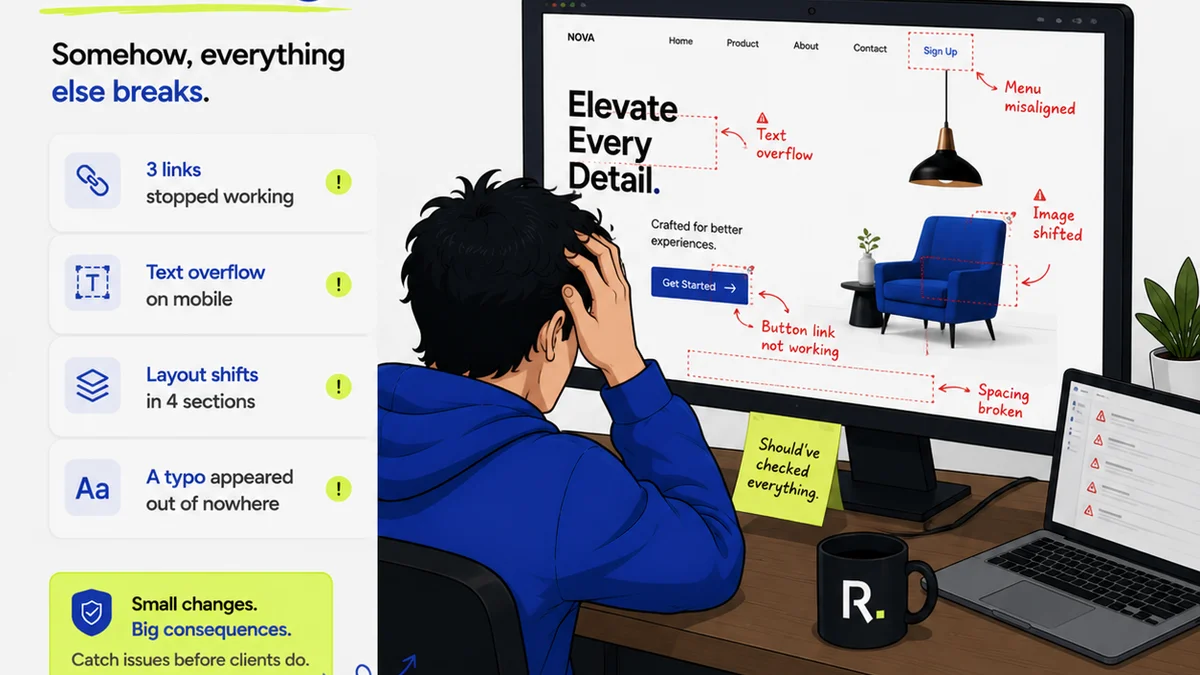
- Technical errors (e.g., incorrect image resolution, wrong link).
- Typos and grammatical errors.
- Inconsistent messaging.
- Client dissatisfaction and requests for
Frequently asked questions
What is a creative request workflow?
A creative request workflow is the structured process an agency or team follows from the moment a creative project is requested to its final delivery. It encompasses receiving the request, briefing, feedback cycles, revisions, approvals, and quality checks.
Why is a centralized feedback system important?
Centralizing feedback ensures all comments and decisions are in one place, reducing the risk of lost information, version control issues, and misinterpretations. This leads to clearer communication and fewer costly rework cycles.
How can I make client feedback more actionable?
Make feedback actionable by ensuring it's specific, provides context, aligns with project goals, and is clearly attributed. Guide clients on what constitutes useful feedback and establish clear review stages and deadlines.
What are the key benefits of visualizing revisions and approvals?
Visualizing the progress of revisions and approvals provides transparency for all stakeholders. It clarifies project status, identifies bottlenecks, builds trust, and helps maintain project momentum, ultimately preventing delays.
How does quality control fit into the workflow?
Quality control is the final gatekeeper in the creative request workflow. It’s a crucial step to ensure accuracy, brand consistency, and adherence to all requirements before final delivery, preventing errors and client dissatisfaction.