You think getting legal to sign off on creative assets is just about sending them over and waiting. Maybe a few rounds of minor tweaks. That’s the surface. The real challenge is managing the entire process, from the first brief to the final approval, in a way that respects both creative timelines and legal scrutiny.
The hard truth? Legal review isn't a bottleneck; it's a critical quality gate. And treating it as anything else leads to delays, misunderstandings, and ultimately, less effective creative work.
1. The Misunderstood 'Legal Review'
Many creative teams view legal review as a necessary evil. A hurdle to jump. Something that happens *after* the creative work is done. This perspective is fundamentally flawed.
Legal isn't just checking for compliance. They're safeguarding the brand's reputation, mitigating risk, and ensuring the message lands correctly and legally. Their input is about protecting the business, which indirectly protects the integrity of the creative work itself.
Common Misconceptions
- It's purely about compliance: Legal checks for more than just adherence to regulations. They assess brand consistency, potential misinterpretations, and competitive landscape positioning.
- It's a linear process: Legal review is often iterative, especially for complex campaigns or new product launches.
- Creatives and legal are adversaries: The best outcomes happen when they're collaborators, working towards a shared goal of a successful, compliant campaign.
Understanding this shifts the dynamic from adversarial to collaborative. It’s about integrating legal insights early, not just as a final check.
2. Building a Better Creative Brief for Legal
The foundation of a smooth legal review process is a clear, comprehensive creative brief. This isn't just for the creative team; it's a vital document for legal as well.
If legal doesn't understand the 'why' behind a campaign, the target audience, or the specific goals, their feedback can seem out of touch. A well-structured brief provides essential context.
Key Briefing Elements for Legal
- Campaign Objectives: What are we trying to achieve? (e.g., increase Q3 sales by 10%, launch new product X, build brand awareness among Gen Z).
- Target Audience: Who are we talking to? (Demographics, psychographics, pain points).
- Key Message(s): What is the single most important takeaway?
- Mandatories & Restrictions: Any specific legal disclaimers, tagline requirements, or brand guidelines that *must* be included or avoided?
- Channel Strategy: Where will this creative live? (Social media, TV, print, web – each has different legal considerations).
- Call to Action (CTA): What do you want the audience to do?
Providing this upfront information allows legal to assess the creative within its strategic framework. It prevents feedback that might be technically correct but strategically misaligned.
3. The Art of the Creative Request
Once the creative is developed, the request for legal review needs to be as precise as the brief itself. This is where many agencies falter.
A vague request like “Please review this ad” is a recipe for disaster. It’s inefficient and leads to endless clarifying questions.
Crafting an Effective Request
- Be Specific: Clearly state which asset(s) are being submitted.
- Provide Context: Briefly reiterate the campaign goal and target audience.
- Highlight Key Areas: Are there specific claims, disclaimers, or elements you want legal to pay particular attention to?
- State the Deadline: Be realistic and provide sufficient turnaround time.
- Specify the Output: What kind of approval are you seeking? (e.g., final sign-off, preliminary feedback).
- Use a Standardized Form: A consistent request form minimizes missed information.
Treating the request as a formal handover, not an informal ping, sets expectations and ensures all necessary information is present.
4. Iteration and Feedback Management
This is where most creative requests for legal review break down. It’s not the initial review, but the back-and-forth.
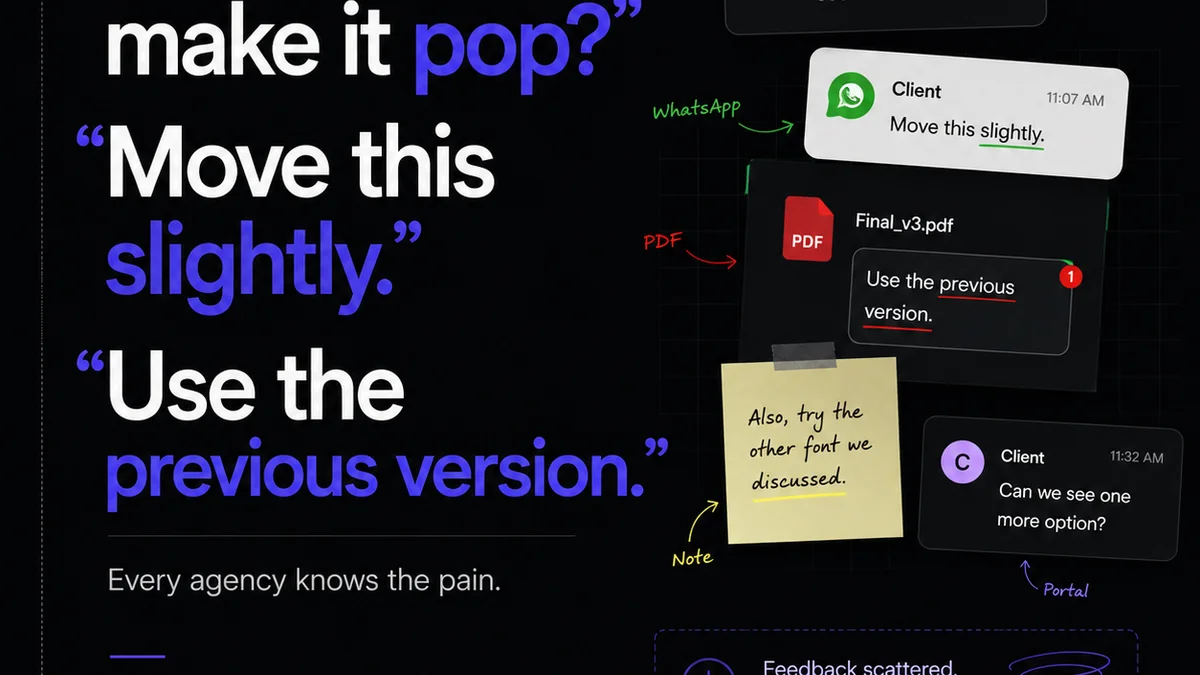
Disorganized feedback, missed comments, and unclear revisions create friction. This is compounded when multiple stakeholders are involved.
Strategies for Smoother Revisions
- Centralized Feedback: Use a single platform for all comments and revisions from legal. This avoids scattered email threads.
- Clear Annotation: Legal reviewers should clearly mark up assets, explain the reasoning behind their changes, and suggest alternatives where appropriate.
- Prioritization: Help legal understand which points are critical (e.g., a legal disclaimer) versus suggested improvements (e.g., minor wording changes).
- Direct Communication (When Necessary): For complex or contentious points, a brief call between the creative lead and legal counsel can often resolve issues faster than email chains.
- Track Changes: Ensure all revisions are logged and accounted for.
The goal is to create a transparent audit trail of feedback and changes.
5. Legal Review vs. Quality Assurance (QA)
Many teams conflate legal review with creative QA. They are distinct, though related, processes.
Legal focuses on risk, compliance, and brand protection. QA focuses on execution: typos, broken links, image resolution, correct formatting, and adherence to technical specifications.
Separating the Processes
- Legal Review: Happens *before* final QA. Focuses on content accuracy, claims, disclaimers, and overall legal/brand risk.
- Creative QA: Happens *after* legal approval. Focuses on the flawless execution of the approved creative across all intended platforms and formats.
Trying to catch typos during legal review is inefficient for both parties. Likewise, legal shouldn't be responsible for ensuring an image is the correct resolution.
This separation ensures each team focuses on its core expertise, leading to a more efficient and effective workflow.
Where Revue Fits In
Managing creative requests for legal review, especially across multiple projects and clients, can become chaotic. Emails get lost, feedback is scattered, and tracking approvals becomes a nightmare.
Revue is designed to bring order to this chaos. By centralizing all creative assets and client feedback in one place, you create a single source of truth.
When legal review is part of the process:
- Upload the asset directly into Revue.
- Assign legal team members as collaborators or reviewers.
- Legal can leave precise, contextual comments directly on the asset.
- Track every revision and approval in a clear, chronological timeline.
- When legal signs off, you have a documented record, ready for final QA and client delivery.
This streamlines the entire workflow, reducing the chances of miscommunication and speeding up the path to final approval.
Final Thought
Legal review is not a roadblock; it's a critical component of delivering responsible, effective creative work. By shifting your perspective and implementing structured processes for creative requests, you can transform it from a point of friction into a catalyst for better, safer campaigns.
How can you better integrate legal insights earlier in your creative process?
Frequently asked questions
What's the biggest mistake agencies make with legal review?
The biggest mistake is treating legal review as a final hurdle rather than an integrated part of the creative process. This often leads to late feedback, rushed revisions, and friction between teams. Engaging legal earlier with clear briefs and context is crucial.
How can I ensure legal understands the creative intent?
Provide a comprehensive creative brief that outlines campaign objectives, target audience, key messages, and strategic goals. When submitting assets for review, reiterate this context and highlight any specific claims or elements that require legal scrutiny.
What is the difference between legal review and creative QA?
Legal review focuses on compliance, risk mitigation, brand protection, and ensuring claims are legally sound. Creative QA focuses on the technical execution of the approved creative – checking for typos, broken links, correct image resolution, and adherence to technical specifications.
How long should I allow for legal review?
This depends on the complexity of the creative and the volume of the request. For standard materials, 2-3 business days is often sufficient. For complex campaigns or new product launches, allow more time. Always communicate your deadline clearly in the request.