Creative resource management. It sounds like a spreadsheet problem, doesn’t it? Just track who’s booked, who’s available, and assign tasks accordingly. Everyone assumes that’s the whole story. That if you just have a good system for seeing who’s busy, you’re golden.
None of that is wrong. But it’s incomplete. It misses the real engine of efficient creative operations: understanding and optimizing the flow of work itself.
The hard truth is, effective creative resource management isn't about headcount or utilization rates in a vacuum. It’s about visibility, predictability, and the ability to adapt to the inevitable chaos of client work.
1. The Myth of 100% Utilization
The first trap many agencies fall into is chasing 100% utilization for every creative. This is a fool’s errand and actively harms productivity.
Why? Because creative work isn’t a factory assembly line. It requires:
- Deep focus time.
- Breaks for inspiration and incubation.
- Time for unexpected revisions and scope creep.
- Cross-pollination of ideas between team members.
- Onboarding and training new talent.
When everyone is booked solid, there’s no buffer. No room for error. No space for innovation. The result is burnout, decreased quality, and missed deadlines when the inevitable fire needs putting out.
The goal isn't 100% utilization. It's optimal flow.
This means building in slack. It means understanding that downtime is often productive downtime. It means treating your creatives as valuable assets who need breathing room, not cogs in a machine.
2. Defining Your Workflow Bottlenecks
Every creative project hits snags. Your resource management system needs to highlight these, not just report on who’s working on what.
Think about the typical lifecycle of a project:
- Briefing & Strategy
- Concepting & Ideation
- Design/Production
- Client Feedback Round 1
- Revisions
- Client Feedback Round 2
- Final Revisions
- Quality Assurance (QA)
- Delivery
Where do things typically get stuck? Is it waiting for client feedback? Is it designers waiting for copy? Is it QA holding up final delivery? These are your bottlenecks.
A robust resource management approach means identifying these choke points and proactively addressing them. It’s not enough to know Sarah is working on the logo concepts; you need to know if she’s blocked by a late creative brief or waiting for legal approval.
Visibility into the *status* of work, not just the *assignee*, is critical.
This requires more than a simple calendar view. You need systems that track project stages, dependencies, and potential blockers.
3. The Role of Feedback Loops
Client feedback is the lifeblood of agency work, but it’s also a notorious source of delay and rework. Poorly managed feedback is a resource drain.
Common feedback problems include:
- Vague or contradictory comments.
- Feedback arriving late, after significant work has been done.
- Too many cooks in the kitchen, with conflicting opinions.
- Lack of clear decision-makers on the client side.
Effective resource management must account for the time and effort spent *responding* to feedback. This means:
- Establishing clear feedback protocols with clients upfront.
- Defining who the key stakeholders are for approvals.
- Setting realistic timelines for feedback delivery.
- Having a process for clarifying ambiguous comments.
When feedback is a bottleneck, it doesn’t just slow down one person; it can halt the entire project, impacting multiple team members and future resource allocation.
4. Prioritization and Capacity Planning
You can’t do everything at once. And you shouldn’t try.
Good resource management is about intelligent prioritization and realistic capacity planning. This involves:
- Understanding project value and urgency.
- Knowing the true capacity of your team, including buffer time.
- Saying “no” or “not right now” to lower-priority work when capacity is full.
- Forecasting future needs based on the sales pipeline.
This prevents over-commitment, a common pitfall that leads to rushed work, unhappy clients, and stressed-out teams.
Capacity planning isn’t just about filling slots; it’s about ensuring you have the right people available for the right projects at the right time, without burning them out.
5. The Human Element: Skills, Growth, and Morale
Resource management is fundamentally about people. Assigning tasks based solely on availability is a missed opportunity.
Consider these factors:
- Skill development: Are you assigning challenging tasks that help your team grow? Or are you only giving them work they can do in their sleep?
- Interest and passion: Where possible, align projects with team members' interests. A designer excited about a project will produce better work, faster.
- Team dynamics: Who works well together? Who might benefit from collaborating on a specific project?
- Burnout prevention: Monitor workloads and watch for signs of fatigue. Rotate less desirable tasks.
A system that only looks at availability misses the nuances that make a creative team thrive. It treats people like interchangeable parts, rather than unique contributors.
Invest in your people, and your resource management will improve.
Where Revue Fits In
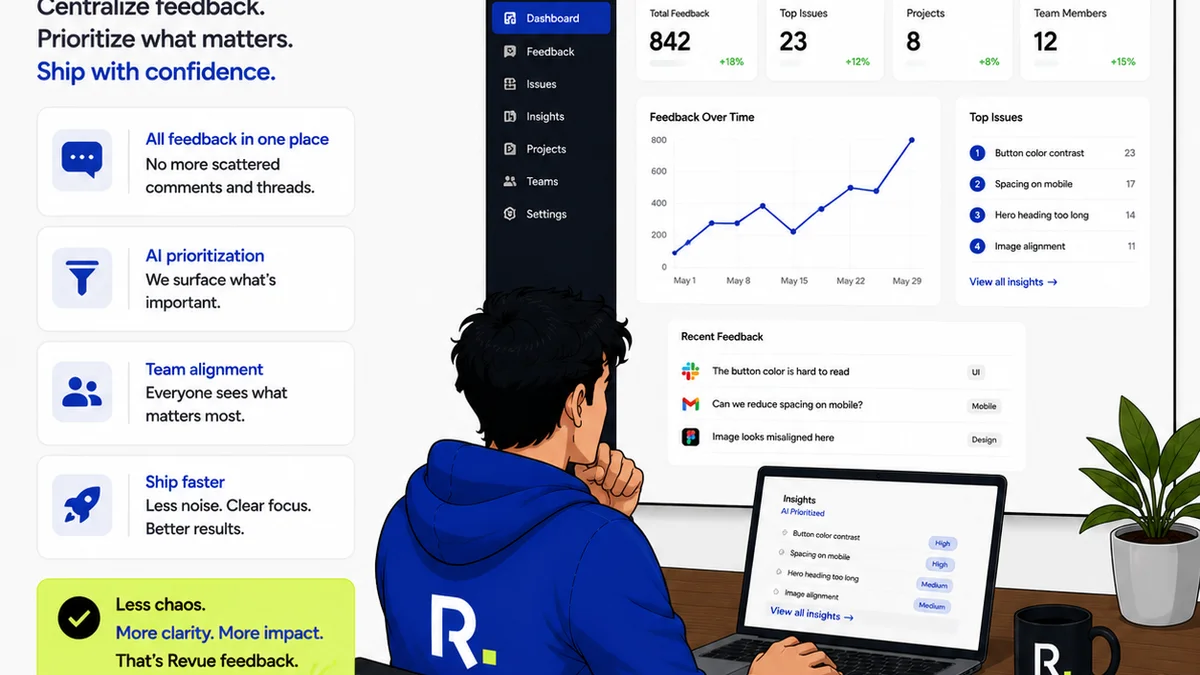
Managing creative resources effectively requires more than just a list of who’s available. It demands clarity on project status, streamlined feedback, and visible revision histories.
Revue provides a centralized hub for client feedback and approvals. This directly addresses common bottlenecks:
- Feedback clarity: Comments are captured directly on the creative asset, reducing ambiguity and misinterpretation.
- Revision tracking: Every version and feedback iteration is logged, providing a clear audit trail and preventing confusion about which version is final.
- Approval workflows: Streamlined processes ensure that feedback is consolidated and decisions are made efficiently, reducing waiting time.
- Quality checks: By having all feedback and revisions in one place, it’s easier to ensure that final deliverables meet all requirements and quality standards before delivery.
This level of visibility and control over the feedback and revision process frees up your team’s time, reduces wasted effort on incorrect revisions, and allows for more accurate capacity planning.
Final Thought
Are you managing resources, or are you managing chaos?
The best creative resource management systems don’t just tell you who’s busy. They illuminate the path of the work itself, smooth out the inevitable bumps, and empower your team to do their best creative work, consistently.
What’s the biggest bottleneck in your current creative workflow?
Frequently asked questions
What is the difference between utilization and capacity?
Utilization refers to the percentage of time a team member is actively working on billable or assigned tasks. Capacity, however, is the total available time a team member has, including time for breaks, training, administrative tasks, and importantly, buffer for unexpected issues or focused deep work.
How can I prevent creative burnout?
Prevent burnout by avoiding the chase for 100% utilization, building in buffer time for unexpected tasks, ensuring realistic project timelines, encouraging breaks and focused work sessions, and aligning projects with team members' skills and interests where possible.
What are the key components of effective client feedback management?
Effective client feedback management involves establishing clear protocols with clients upfront, defining key stakeholders for approvals, setting realistic feedback timelines, having a process for clarifying ambiguous comments, and using tools that centralize feedback directly on the creative asset.
How does resource management help with project profitability?
By optimizing workflows, identifying and resolving bottlenecks, preventing scope creep through clear feedback processes, and ensuring realistic capacity planning, effective resource management minimizes wasted time and resources, leading to more predictable project delivery and improved profitability.