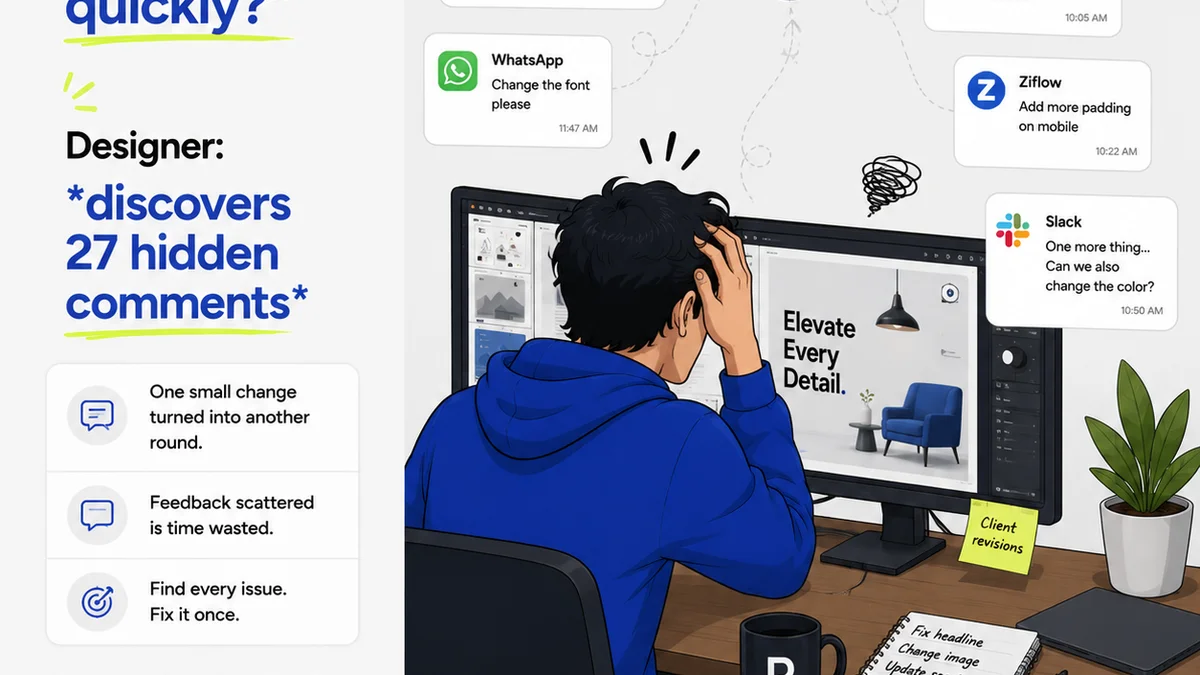
You probably think creative resource management is all about spreadsheets and Gantt charts. That you just need to track who’s working on what, and when it’s due. None of that is wrong. But it’s incomplete.
The hard truth? Effective creative resource management isn’t just about tracking; it’s about predicting, protecting, and optimizing your most valuable asset: your people’s time and talent.
1. The Illusion of Availability
Many agencies operate on a reactive staffing model. A new project lands, and the scramble begins: who has bandwidth? Who has the right skills? This firefighting approach burns out your best people and compromises project quality.
True resource management starts with understanding your team’s actual capacity, not just their stated availability.
Understanding True Capacity
Availability isn't just about hours in a week. It’s about factoring in:
- Non-billable time (meetings, admin, training)
- Buffer for unexpected tasks and urgent requests
- Personal time off and planned holidays
- Skillset limitations and development needs
- Team member burnout indicators
Over-allocating is a guaranteed path to missed deadlines and stressed-out creatives. It’s the enemy of good work.
2. Project Scoping: The Foundation of Planning
Poorly defined project scopes are the leading cause of resource misallocation. If you don’t know exactly what needs to be done, you can’t possibly assign the right resources.
This isn’t about blame; it’s about process. Better scoping means better forecasting.
Deconstructing the Brief
Before a project even enters your resource plan, ensure you have:
- Clear objectives and deliverables
- Defined scope of work (SOW) with explicit inclusions and exclusions
- Realistic timelines agreed upon by all stakeholders
- Budgetary constraints clearly understood
- Key performance indicators (KPIs) for success
A vague brief leads to vague assignments, which leads to wasted hours and unhappy clients. Get specific.
3. Skillset Mapping and Development
Your team’s skills aren’t static. What they know today might be outdated tomorrow. Resource management requires a dynamic understanding of your team’s capabilities.
Are you assigning tasks based on who’s *available*, or who’s *best suited*?
Inventorying Expertise
Regularly audit your team’s skills. Consider:
- Core competencies (design, copywriting, strategy, development)
- Specialized software proficiency
- Emerging technologies and trends
- Soft skills (client communication, project management)
Identify skill gaps early. This informs hiring decisions and training investments, ensuring you have the right talent for future projects.
4. The Assignment Paradox: Utilization vs. Development
The temptation is to keep your team 100% utilized. Every hour billed is revenue, right? Wrong.
A team that’s constantly booked solid has no room for growth, innovation, or recovery. This is a fast track to burnout and stagnation.
Balancing Billable and Non-Billable
Effective resource management means intentionally scheduling time for:
- Skill development and training
- Cross-functional collaboration and knowledge sharing
- Internal R&D or passion projects
- Strategic thinking and process improvement
- Rest and recuperation
Maximize utilization, but don’t maximize people. There’s a critical difference.
5. Tracking and Forecasting: Beyond the Spreadsheet
Spreadsheets can track what *has* happened. But good resource management predicts what *will* happen.
Are you relying on gut feeling or actual data?
Leveraging Data for Foresight
Implement systems that track:
- Actual time spent vs. estimated time
- Project profitability by resource and phase
- Team member workload trends
- Client feedback on resource allocation
This data feeds your forecasting. You can anticipate bottlenecks, identify over- or under-allocation risks, and make proactive adjustments.
6. Where Revue Fits In
Managing creative resources effectively means having clear visibility into every stage of the creative process. You need to know where feedback is, what revisions are pending, and who’s holding up the line.
Revue centralizes client feedback, making it easy to track progress and identify blockers. When you can see all revisions and approvals in one place, you gain clarity on your team’s true workload and capacity.
This visibility allows for more accurate resource allocation. You can see who has capacity for new tasks, who is blocked waiting for feedback, and ensure your best talent is focused on the right projects at the right time. It helps prevent the common pitfall of over-allocation by providing a real-time view of project status and dependencies.
7. The Culture of Proactive Management
Ultimately, resource management isn’t just a process; it’s a mindset. It requires buy-in from leadership and a commitment to transparency.
Are you fostering a culture that values planning and foresight, or one that thrives on last-minute heroics?
Building a Resilient Team
Encourage open communication about workload and capacity. Empower team members to flag potential issues early. Regularly review your resource allocation strategies and adapt them based on learnings.
A proactive approach to creative resource management isn’t just about efficiency; it’s about building a sustainable, high-performing creative agency where both your clients and your team thrive.
Final Thought
What’s the biggest hidden cost of poor resource management in your agency right now? Is it missed deadlines, client dissatisfaction, or the quiet erosion of team morale?
Frequently asked questions
What is the difference between resource allocation and resource management?
Resource allocation is the act of assigning specific resources (people, budget, equipment) to specific tasks or projects. Resource management is the broader discipline that encompasses planning, scheduling, allocating, and controlling resources to achieve project and organizational goals. It's the strategic oversight of allocation.
How can I accurately estimate project timelines for resource planning?
Accurate estimation comes from historical data, breaking down large tasks into smaller, manageable ones, involving the team members who will perform the work in the estimation process, and adding buffer time for unforeseen issues. Regular review of actual vs. estimated time is key to improving future estimates.
What are the signs of creative team burnout due to poor resource management?
Signs include increased errors, missed deadlines, decreased creativity, higher employee turnover, constant complaints about workload, reluctance to take on new tasks, and a general decline in morale. It often stems from chronic over-allocation and lack of downtime.
How often should creative resource management plans be reviewed?
Plans should be reviewed frequently, ideally daily or weekly for short-term tasks, and monthly or quarterly for longer-term strategic resource planning. The frequency depends on the pace of projects and the volatility of client demands. Regular check-ins are crucial.