Everyone talks about creative talent. About brilliant ideas. About client relationships. These are crucial, no doubt. But they’re not the whole story.
The common assumption is that if you have great people and happy clients, your agency will just… work. That the operational side will sort itself out. None of that is wrong. But it’s incomplete.
The hard truth? Your agency’s profitability and scalability hinge on mastering creative resource management. It’s the unseen engine that drives everything else.
1. The Myth of 'Just Get It Done'
Many agencies operate under a reactive model. A project lands, and the team scrambles to assign people. Whoever is available, whoever has the least on their plate, gets the work. This feels efficient in the moment.
It’s not.
This approach ignores the hidden costs:
- Burnout from over-allocation.
- Underutilization of specialized skills.
- Missed deadlines due to unrealistic workloads.
- Poor quality output when people are spread too thin.
- Inability to accurately forecast capacity or bid on new work.
Creative resource management isn't about babysitting schedules. It's about strategic allocation of your most valuable asset: your people's time and talent.
2. Understanding Capacity vs. Utilization
These terms get thrown around, often interchangeably. They shouldn't be.
Capacity
This is the total amount of time your team *could* be working on billable projects. Think of it as the maximum potential output.
Utilization
This is the percentage of that capacity actually spent on billable client work. High utilization *sounds* good. But it’s a dangerous metric if pursued blindly.
A 100% utilization rate is a red flag. It means there's no room for error, no capacity for new opportunities, and no time for professional development or internal initiatives. It means your team is likely working overtime or doing non-billable tasks disguised as billable ones.
Utilization is a Tool, Not a Goal
The goal is healthy, sustainable profitability. Utilization helps you measure progress, but it must be balanced with other factors like project profitability, team morale, and strategic growth.
3. The Ripple Effect of Poor Planning
When you don't manage resources effectively, the problems cascade:
- Project Delays: A bottleneck in one area delays the entire project.
- Budget Overruns: Rushed work or extended timelines cost more.
- Client Dissatisfaction: Missed deadlines and subpar work erode trust.
- Team Attrition: Constant overwork leads to burnout and good people leaving.
- Stunted Growth: You can't take on new, exciting projects if your team is maxed out on existing ones.
This isn't just about keeping busy. It's about strategic deployment of talent to achieve business objectives.
4. Key Pillars of Effective Creative Resource Management
Getting this right requires a systematic approach. It’s not a one-time fix; it’s an ongoing discipline.
a. Visibility
You can't manage what you can't see. This means having a clear overview of:
- Who is working on what.
- The estimated effort vs. actual time spent.
- Team members' availability and upcoming time off.
- Skills inventory and individual strengths.
b. Forecasting
Look ahead. Understand upcoming project pipelines, potential client wins, and seasonal fluctuations. This allows you to anticipate needs and plan proactively.
c. Allocation
Assign the *right* people to the *right* tasks, considering skills, experience, and workload. Avoid the temptation to just fill the gap.
d. Tracking
Monitor project progress and time spent. This data is crucial for future planning, accurate billing, and identifying inefficiencies.
e. Optimization
Continuously analyze your data. Where are the bottlenecks? Who is consistently over or under-utilized? How can you better align your team's capacity with client demand?
5. Building a Resilient Workflow
Effective resource management builds resilience. It allows your agency to:
- Absorb Shocks: Handle unexpected client requests or team absences without derailing operations.
- Scale Smartly: Grow your client base and project scope with confidence, knowing you have the capacity.
- Improve Profitability: Ensure time is spent on valuable, billable work, and bids are accurate.
- Boost Morale: Protect your team from burnout by managing workloads realistically.
This isn't about rigid control; it's about creating flexibility through foresight.
Where Revue Fits In
Managing creative resources effectively means streamlining communication and approvals. It’s about reducing friction so your team can focus on creating great work.
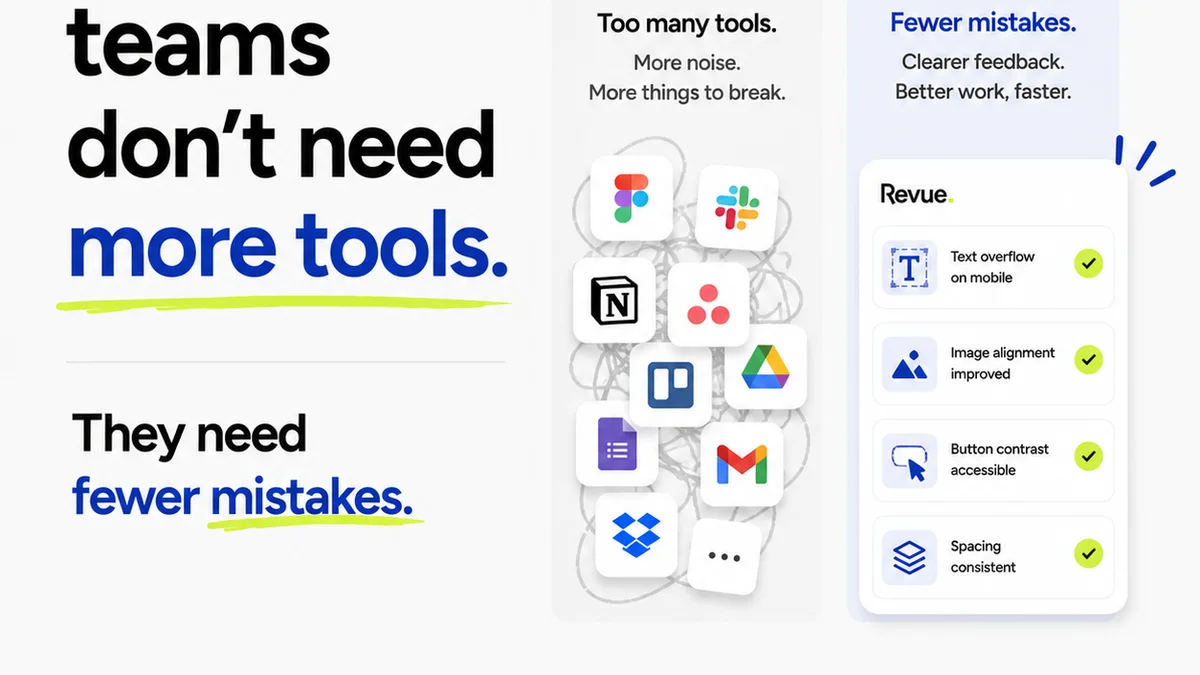
Revue centralizes client feedback, making it clear exactly what revisions are needed. This eliminates back-and-forth and guesswork.
It provides visibility into revision stages and approval statuses. This helps project managers track progress accurately and avoid delays caused by unclear ownership or missed sign-offs.
Ultimately, by simplifying the feedback and approval loop, Revue helps ensure that your team’s valuable time is spent on execution, not on chasing down comments or clarifying requirements. It reduces the non-billable administrative overhead that often eats into planned project time, indirectly supporting better resource utilization and project profitability.
6. The Cost of Inaction
Ignoring resource management isn't saving you money. It's costing you.
It costs you in lost revenue from un-bid projects.
It costs you in reduced profit margins due to inefficient workflows.
It costs you in the slow erosion of team morale and the high cost of replacing burned-out talent.
It costs you in damaged client relationships due to missed deadlines and quality issues.
The agencies that thrive aren't just the ones with the best creatives. They're the ones that treat their creative talent as a strategic asset, managed with the same rigor as any other critical business function.
Final Thought
Are you actively managing your creative resources, or are you letting them manage you? The difference defines your agency's capacity for growth, profitability, and long-term success.
Frequently asked questions
What is the difference between capacity and utilization in resource management?
Capacity is the total potential billable time your team has. Utilization is the percentage of that capacity actually spent on billable client work. Aiming for 100% utilization is a common mistake that leads to burnout and inefficiency.
Why is high utilization a bad thing for creative agencies?
High utilization (approaching 100%) leaves no room for unexpected issues, new opportunities, or essential non-billable tasks like training and strategic planning. It often indicates overworked staff and unsustainable practices.
How can I improve my agency's creative resource management?
Focus on visibility (knowing who is doing what), forecasting (planning ahead), strategic allocation (matching skills to tasks), diligent tracking (monitoring time and progress), and continuous optimization (learning from data).
How does centralized feedback relate to resource management?
Centralized feedback tools like Revue reduce the time spent clarifying requirements and chasing comments. This frees up your team's valuable time, allowing them to focus on billable creative work and improving overall resource efficiency.