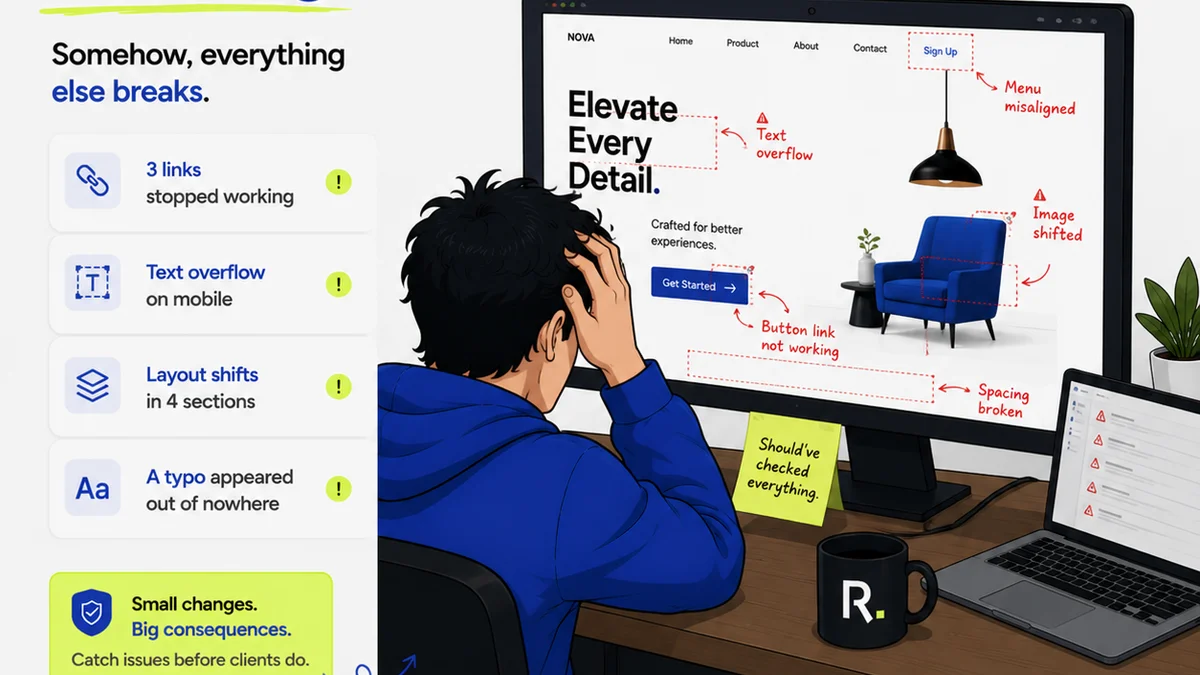
Everyone agrees that good creative resource management is key to agency success. You’ve heard it a million times: better utilization, happier teams, bigger profits. None of that is wrong. But it’s incomplete.
The deeper truth? Resource management isn’t just about filling slots on a calendar. It’s about building an engine that predicts, adapts, and scales with your business. It’s the difference between a frantic scramble and a predictable flow. And the right software is the fuel for that engine.
1. Beyond the Calendar: Understanding Capacity and Demand
Most agencies start with a shared calendar or a clunky spreadsheet. They see who’s *available*. That’s a start. But it’s like looking at a car’s speedometer and thinking you understand its engine. You’re missing the horsepower, the torque, the fuel efficiency.
True capacity isn't just about hours in a week. It's about skills, roles, and *actual* availability factoring in non-billable time, PTO, and administrative overhead. Demand, on the other hand, is about understanding the *type* of work coming in. A designer might have 40 hours available, but if they only do illustration and your demand is for UI design, their capacity is zero for that specific need.
Skills vs. Roles
Are you tracking individual skills or just job titles? A 'Senior Designer' might be a master of print but weak in digital. If your software only tracks 'Designer,' you’re flying blind.
Forecasting Demand
Can your system predict busy periods based on sales pipeline and historical project data? Or are you always reacting to last-minute rushes?
Utilization Metrics That Matter
Don’t just track billable hours. Track *profitable* hours. Understand the margin impact of different project types and team members. Is high utilization on low-margin work actually hurting your bottom line?
2. Project Integration: From Scope to Schedule
Resource management software that lives in a silo is just another tool to update. The best systems connect directly to your project pipeline. They pull information about scope, timelines, and required skill sets automatically.
This integration is crucial for accurate forecasting and scheduling. If you’re manually entering project details into your resource tool, you’re building in delays and potential errors from the start. Think about the ripple effect: a missed deadline on a project due to poor resource allocation can impact client relationships, subsequent projects, and overall profitability.
Scope Creep and Resource Impact
How does your software handle changes in project scope? Can it flag resource conflicts when a project’s demands increase?
Real-time Project Data
When a project timeline shifts, your resource plan needs to adjust instantly. This requires a direct link between your project management and resource management tools.
Team Member Workloads
See who’s overbooked *before* they burn out. Understand who has bandwidth for new projects. This isn't just about fairness; it's about preventing costly mistakes caused by overworked staff.
3. Workflow Visibility: Tracking Progress and Bottlenecks
A project isn't just a start and end date. It's a series of tasks, approvals, and feedback loops. Your resource management software should reflect this complexity, providing visibility into where work actually is.
This means more than just seeing who's assigned to what. It's about understanding the flow of work, identifying where projects get stuck, and proactively addressing bottlenecks before they derail timelines and budgets. Are you waiting on client feedback? Is a particular review stage consistently slow? Your resource tool should help illuminate these pain points.
Task Dependencies
Can the system visualize how tasks depend on each other? This is critical for understanding critical paths and potential delays.
Client Feedback Loops
Are you tracking how long client feedback takes? This is often a major bottleneck. Software that integrates with feedback tools can provide crucial data here.
Approval Stages
Visualize the entire approval process. Who needs to sign off? How long does each stage typically take? This visibility prevents work from languishing.
4. Financial Health: Profitability and Forecasting
Let’s be blunt: resource management is fundamentally about profitability. If your team is booked solid but you’re not making money, something is broken.
Good software links resource allocation directly to financial outcomes. It helps you understand the true cost of projects, the profitability of different clients, and the financial impact of team utilization. This isn't just about tracking time; it's about strategic financial planning.
Real-time Budget Tracking
See how project spending aligns with allocated budgets. Get alerts when you’re approaching limits.
Profitability Analysis
Understand which clients, project types, and even individual team members contribute most (or least) to your profit margins.
Future Financial Projections
Use current resource allocation and sales pipeline data to forecast future revenue and profitability with greater accuracy.
5. Scalability and Adaptability: Growing with Your Agency
Your agency won’t stay the same size or structure forever. The resource management software you choose today needs to grow with you.
Look for systems that can handle increasing project volume, a growing team, and evolving workflows without becoming unwieldy. Can it accommodate new service offerings or different team structures? Flexibility is key.
Onboarding New Team Members
How easily can you add new users and define their roles and skill sets?
Handling Growth in Project Volume
Does the system slow down or become difficult to manage as your project load increases?
Customization Options
Can you tailor the software to your agency’s specific processes, or are you forced into a rigid, one-size-fits-all approach?
Where Revue Fits In
Managing creative resources effectively means streamlining the entire project lifecycle. It’s about ensuring the right people are on the right tasks at the right time, with clear visibility into progress and approvals.
Revue acts as the central nervous system for this process. It provides a single source of truth for client feedback, eliminating the chaos of scattered emails and messages. This means less time spent chasing down comments and more time ensuring your team is focused on execution.
With clear revision and approval workflows built-in, you gain unparalleled visibility. You can see exactly where a project stands, who is responsible for the next step, and how long each stage is taking. This data is invaluable for accurate resource allocation and identifying potential bottlenecks before they impact your schedule or budget.
Furthermore, Revue’s quality check features help standardize your output. By ensuring work meets predefined criteria before final delivery, you reduce costly rework and client dissatisfaction, which directly impacts resource efficiency and profitability.
Final Thought
The best creative resource management software doesn't just organize your team; it optimizes your entire agency. It transforms resource allocation from a reactive chore into a proactive strategic advantage. Is your current system doing that, or is it just another place to log hours?
Frequently asked questions
What is the difference between resource management and project management software?
Project management software focuses on tasks, timelines, and deliverables for specific projects. Resource management software focuses on the people and their availability, skills, and capacity across all projects, ensuring optimal allocation and utilization.
How can resource management software improve agency profitability?
By providing clear visibility into team capacity, project scope, and actual time spent, resource management software helps prevent overbooking, reduce costly rework, identify low-margin work, and ensure accurate client billing, all of which directly impact profitability.
Is creative resource management software only for large agencies?
No, creative resource management software is beneficial for agencies of all sizes. Smaller agencies can use it to optimize limited resources and ensure they are working on the most profitable projects, while larger agencies rely on it to manage complex teams and project portfolios.
What are the key metrics to track in creative resource management?
Key metrics include team utilization rate, project profitability, on-time delivery rate, client feedback turnaround time, and resource forecasting accuracy. The goal is to move beyond simple hours tracking to understand the financial and operational health of your agency.