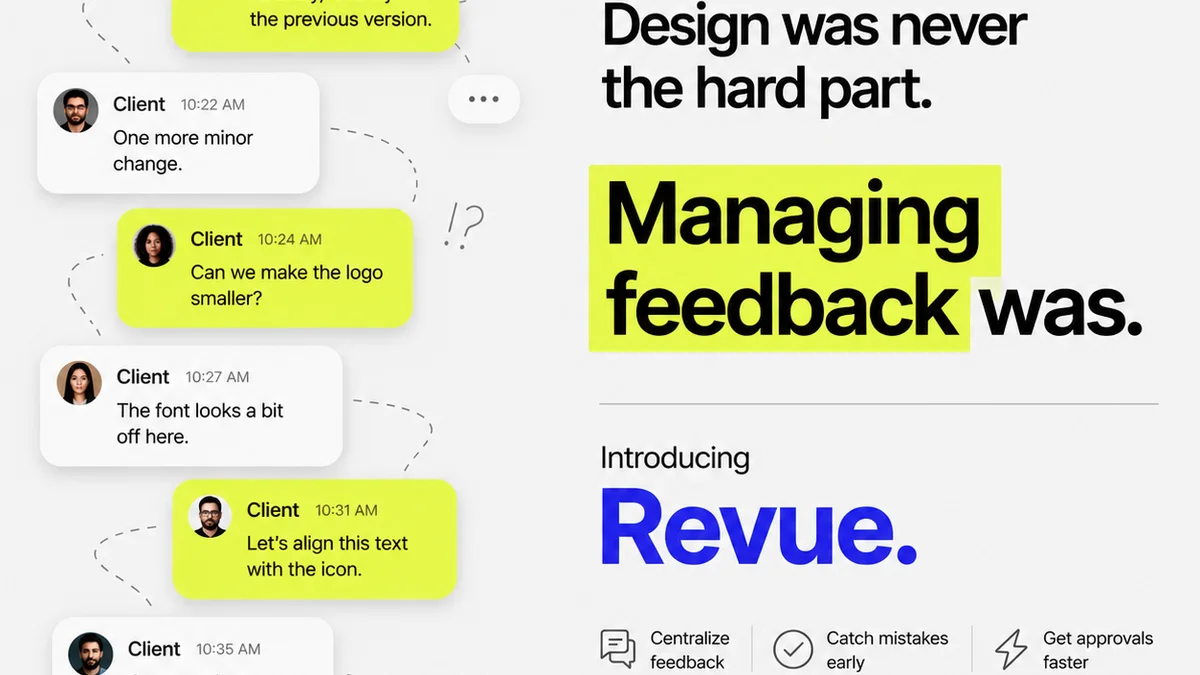
Everyone thinks they know how to give feedback. You've got your red pens, your digital annotation tools, your carefully worded emails. It all seems so straightforward. None of that is wrong. But it’s incomplete.
The hard truth is that most creative review processes are broken. They’re inefficient, they’re often subjective, and they lead to scope creep and frustrated teams. The real challenge isn't just *how* you give feedback, but how you structure the entire review process to drive clarity, efficiency, and better creative outcomes.
1. Define the Brief, Define the Goal
Before any creative work even begins, the foundation must be solid. A vague brief guarantees a messy review.
Clarity is King
What is the absolute, non-negotiable objective of this creative asset? Is it to drive clicks? Increase brand awareness? Educate users? Every piece of feedback should be measured against this core objective.
If a stakeholder suggests a change that doesn't serve the primary goal, it's not helpful feedback. It's a distraction.
Know Your Audience
Who is this creative for? What are their needs, pain points, and motivations? Feedback should always consider the end-user, not just the internal team's preferences.
Establish Success Metrics
How will you know if the creative is successful? Define these metrics upfront. This provides an objective benchmark for evaluation, moving beyond subjective opinions.
2. Structure Your Reviewers
Not all feedback is created equal. You need a system for who reviews what, and when.
Identify Key Stakeholders
Who absolutely *needs* to weigh in? Who has the authority to make final decisions? Map this out. Avoid inviting everyone and their cousin to every single review.
Fewer cooks in the kitchen often means a better final dish.
Assign Roles and Responsibilities
Within the review group, who is responsible for what? Is there a primary point person for consolidated feedback? Is there a legal reviewer? A brand guardian?
Clear roles prevent conflicting feedback and ensure accountability.
Staggered Reviews
Can you stagger reviews so different stakeholders see the work at different stages? This prevents a single, massive feedback dump late in the process.
For example, a brand manager might review initial concepts, while a marketing lead reviews functional elements later.
3. Standardize Feedback Mechanisms
The
Frequently asked questions
What is the most common mistake in creative reviews?
The most common mistake is a lack of clear objectives and defined roles. Without knowing what the creative needs to achieve and who has the final say, reviews become subjective, lengthy, and often counterproductive.
How can I ensure feedback is constructive?
Encourage feedback tied directly to the brief's objectives and success metrics. Frame feedback as actionable suggestions for improvement rather than mere opinions. Establish guidelines for tone and focus.
How often should creative reviews occur?
The frequency depends on the project scope and complexity. However, it's best to conduct reviews at defined milestones rather than ad-hoc. Staggered reviews, where different stakeholders provide input at specific stages, are often more efficient than one large review.
What tools can help manage creative feedback?
While many tools exist for annotation, a centralized platform like Revue is crucial for consolidating all feedback, tracking revisions, managing approvals, and maintaining a clear audit trail. This prevents information silos and ensures everyone is working from the latest version.