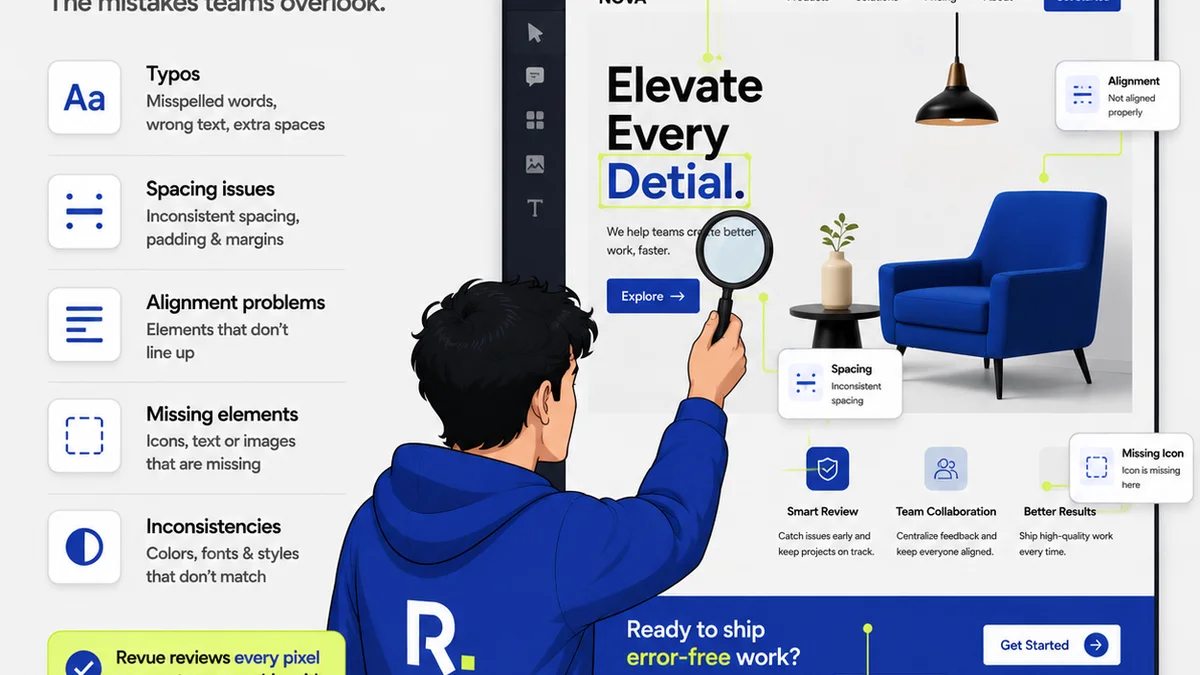
Everyone thinks a creative review checklist is about catching typos or making sure the logo is the right color. That’s not wrong. But it’s incomplete.
The real power of a creative review checklist isn't in the minor details it catches; it's in the fundamental questions it forces you to answer *before* the work even gets to that final sign-off stage.
1. Defining 'Done' Isn't Just About the Client
You hand over creative work. The client reviews it. They approve it. Simple, right? Not quite.
The assumption is that the client is the sole arbiter of 'done.' This overlooks the internal processes and strategic alignment that must precede any client interaction.
The Internal Audit First
Before the client sees anything, your internal team needs to be aligned. This is where a structured review process, guided by a checklist, becomes non-negotiable. It’s not just about aesthetic finality; it’s about strategic adherence.
Consider these internal checkpoints:
- Does the creative meet the original brief's objectives?
- Is the messaging consistent with the brand voice and tone guidelines?
- Has it passed accessibility checks (e.g., contrast ratios, alt text)?
- Are all technical specifications met (file formats, dimensions, resolution)?
- Is the user experience intuitive and aligned with design principles?
- Does it align with the agreed-upon scope of work and budget?
Skipping these internal steps means you're essentially asking the client to do your job for you. And clients aren't paid to be your QA team.
2. The Brief Is Your North Star
A creative brief is more than just a document; it's the foundational agreement. A comprehensive creative review checklist ensures that every piece of work orbits this core document.
Many agencies treat the brief as a 'set it and forget it' item. This leads to scope creep and misaligned deliverables.
Deconstructing the Brief for Review
Your checklist should directly reference key elements of the brief. This ensures that the creative output is not just visually appealing but strategically sound.
Key areas to check against the brief:
- Target Audience: Does the creative speak directly to the intended demographic?
- Key Message: Is the primary communication point clear and prominent?
- Call to Action (CTA): Is the desired user action obvious and compelling?
- Brand Guidelines: Does it adhere to all visual and verbal identity rules?
- Platform Specifics: Is the creative optimized for the intended delivery channel (web, social, print)?
If the creative deviates, the checklist prompts the 'why.' Is it a strategic pivot, or a misunderstanding?
3. Clarity Over Consensus: The Approval Bottleneck
The approval process is often where creative projects go to die. It’s a tangled web of subjective opinions and unclear feedback.
The common assumption is that more feedback equals better work. This is a dangerous myth.
Feedback Quality, Not Quantity
A robust checklist helps filter feedback, ensuring it’s actionable and aligned with project goals, not just personal preference.
Your checklist should guide reviewers to ask:
- Is this feedback objective and tied to the brief?
- Does this suggestion enhance strategic goals or just alter aesthetics subjectively?
- Is this a 'must-have' change or a 'nice-to-have' tweak?
- Can this feedback be implemented within the current scope and timeline?
This structured approach elevates feedback from mere opinion to strategic input.
4. The 'It Looks Good' Trap
This is the most insidious trap. The work *looks* good, but does it *work*?
Agencies often fall into the trap of approving work based on superficial appeal. This is a disservice to the client and the creative team.
Beyond the Visual Scan
A thorough creative review checklist goes deeper, interrogating the functionality and effectiveness of the creative asset.
Integrate these checks:
- Usability: Is it easy to navigate and understand?
- Performance: Does it align with expected conversion or engagement metrics?
- Technical Accuracy: Are all links, forms, and interactive elements functioning correctly?
- Accessibility Compliance: Does it meet WCAG standards for all users? (WCAG 2.1 AA is a good benchmark.)
- Brand Consistency: Does it feel like the same brand across all touchpoints?
This ensures that 'good' translates to 'effective' and 'successful.'
5. Documentation as Due Diligence
A checklist isn't just a tool for review; it's a record. It's your agency's due diligence.
Without a documented process, you're vulnerable to misunderstandings and disputes.
The Audit Trail
Each step of the review, especially client feedback and internal approvals, should be logged. This creates an irrefutable history of decisions made.
This documentation serves multiple purposes:
- Dispute Resolution: Clearly shows what was agreed upon and when.
- Retrospective Analysis: Helps identify bottlenecks or recurring issues in future projects.
- Team Accountability: Ensures all stakeholders are aware of their review responsibilities.
- Client Education: Demonstrates a professional, structured approach to creative development.
This is not about CYA; it’s about professional rigor.
Where Revue Fits In
Managing creative reviews, especially with multiple stakeholders and revisions, can quickly become chaotic. This is precisely why tools like Revue exist.
Revue centralizes client feedback, making it easy to track comments, revisions, and approvals in one place. Instead of sifting through endless email chains or scattered documents, your team has a clear, chronological record.
This visibility is crucial. A structured checklist works best when the feedback it guides is organized. Revue ensures that feedback is contextualized, visible, and actionable, directly supporting the rigorous review process your checklist demands.
It streamlines the process, ensuring that the 'hard truths' uncovered by your checklist are addressed efficiently, not lost in the shuffle.
Final Thought
Is your creative review checklist just a compliance document, or is it a strategic tool that actively enhances the quality and effectiveness of your work?
The difference lies in moving beyond surface-level checks to embedding strategic alignment, objective feedback, and thorough validation into every step. This is how you ensure your creative doesn't just look good, but truly performs.
Frequently asked questions
What is the primary goal of a creative review checklist?
The primary goal is to ensure creative work meets strategic objectives, adheres to brand guidelines, and functions effectively, rather than just catching minor errors. It's a tool for strategic alignment and quality assurance.
How does a creative review checklist help with client feedback?
It helps by providing a framework for objective, actionable feedback tied to project goals. This prevents subjective opinions from derailing the creative process and ensures feedback is constructive.
What are the key elements to include in a creative review checklist?
Key elements include alignment with the brief, target audience relevance, message clarity, brand consistency, technical specifications, usability, accessibility, and clear calls to action.
How can documentation support the review process?
Documentation creates an audit trail of decisions, feedback, and approvals. This is crucial for dispute resolution, team accountability, and future project analysis, demonstrating professional rigor.
How does a tool like Revue enhance the use of a creative review checklist?
Revue centralizes feedback, revisions, and approvals, making the process transparent and organized. This ensures that the actionable insights gathered through your checklist are managed efficiently and effectively.