Everyone talks about streamlining creative reviews. The common wisdom suggests better briefs, clearer communication, and maybe a project management tool. None of that is wrong. But it’s incomplete.
The hard truth? A truly effective creative review process isn’t about tools or templates. It’s about deeply understanding *why* feedback goes wrong and engineering your workflow to prevent it, every single time.
1. The Feedback Illusion: More Isn't Always Better
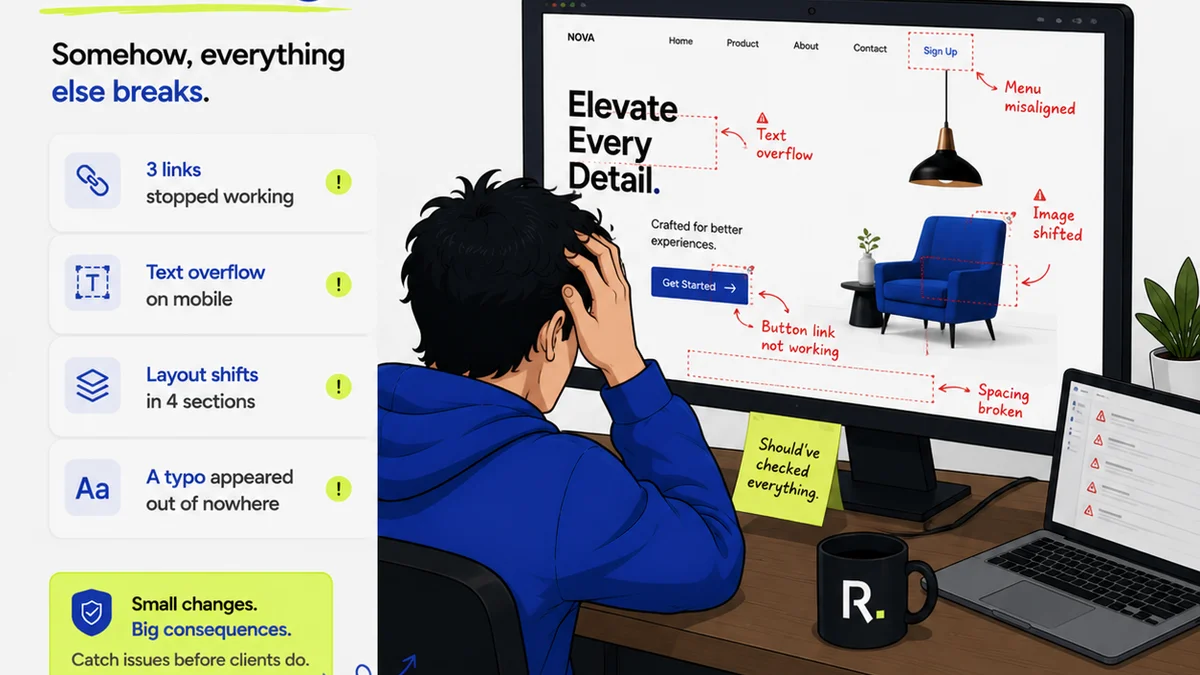
You’ve been there. The client sends back a document with conflicting comments from three different people, highlighted in three different colors, with a single overarching note: “Make it pop.”
This isn’t a communication breakdown; it’s a symptom of a broken system. The assumption that more eyes on a project lead to better outcomes is flawed if those eyes aren't looking through the same lens.
The Problem with
Frequently asked questions
What is the most common mistake in creative reviews?
The most common mistake is treating feedback as a purely subjective, unstructured exchange. This often leads to vague comments, conflicting opinions, and endless revision cycles. A robust process defines roles, clarifies expectations, and structures feedback for clarity and actionability.
How can I get more specific feedback from clients?
Start by defining what specific feedback looks like for each project phase. Use structured feedback forms, provide clear examples of what you're looking for, and assign specific stakeholders to review different aspects of the creative work. Clearly communicate how their feedback will be used.
How do I manage conflicting feedback from multiple stakeholders?
Establish a clear feedback hierarchy or a designated point person for consolidating feedback. This person is responsible for identifying and resolving conflicting comments before they are presented to the creative team. In Revue, this can be managed by centralizing all feedback and using version control to track changes and discussions.
Can a creative review process help with quality control?
Absolutely. A well-defined process includes specific checkpoints for quality assurance, ensuring that technical standards, brand guidelines, and project requirements are met before final delivery. This prevents costly errors and ensures a higher standard of output.