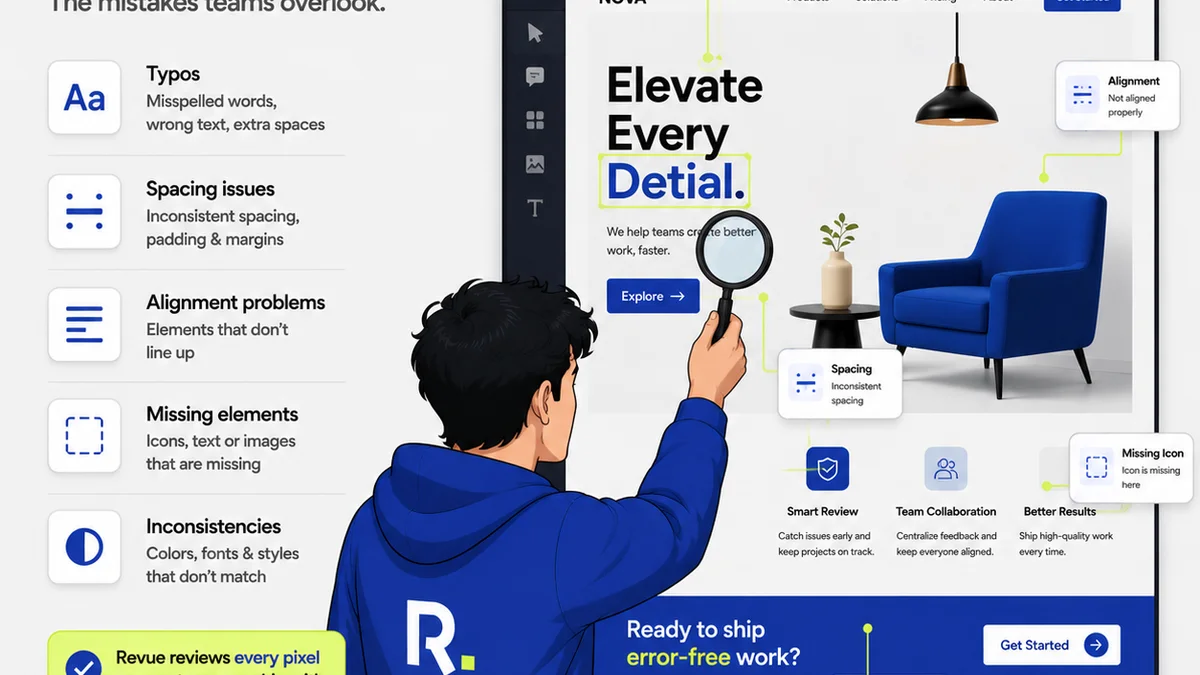
Everyone thinks a great creative review process is about clear communication and detailed feedback. None of that is wrong. But it’s incomplete.
The hard truth? It’s about control. Specifically, controlling the chaos that feedback inevitably creates. Without it, even the most talented teams spin their wheels, miss deadlines, and damage client relationships.
A truly effective creative review process isn't just about talking; it's about structure. It’s about ensuring every piece of feedback is actionable, every revision is tracked, and every approval is definitive. Let’s break down how to build that structure.
1. Define Your Stakeholders and Their Roles
Who needs to see the work? Who needs to approve it? Who’s just along for the ride?
Most teams wing this. They loop in everyone they can think of, just in case. This leads to diluted feedback, conflicting opinions, and endless back-and-forth.
Before you even send a draft, map it out:
- Primary Reviewer(s): The person(s) with final decision-making authority. Their feedback is paramount.
- Secondary Reviewer(s): Subject matter experts or stakeholders who provide input but don't have the final say.
- Informational Only: People who need to be aware of the project's progress but don't need to provide feedback.
Clearly defining these roles upfront prevents scope creep and ensures the right people are focused on the right things.
2. Standardize Your Feedback Collection
Scattered feedback is the enemy of efficiency. Email chains, Slack messages, scribbled notes on PDFs – this is a recipe for disaster.
Your goal is a single source of truth for all feedback. This means establishing clear channels and formats for input.
The Problem with Email Chains
Subject lines get lost. Replies go to the wrong people. Critical feedback buried three replies deep is missed. It’s a mess.
The Solution: Centralized Platforms
Using a dedicated platform for creative feedback ensures everything is organized and accessible. Think:
- Annotation Tools: Direct markup on images, videos, and PDFs.
- Comment Threads: Organized discussions tied to specific elements.
- Version Control: Clear tracking of revisions and feedback stages.
This isn't about fancy software; it's about process discipline. Every piece of feedback needs a home.
3. Establish Clear Review Cycles and Timelines
How long does a review take? When is feedback due? When is approval expected?
Ambiguity here kills momentum. Clients and internal teams need to know the expectations.
Set defined review periods. For example:
- Initial Review: 48 hours for comprehensive feedback.
- Revision Review: 24 hours for specific changes.
- Final Approval: 12 hours for sign-off.
Communicate these timelines clearly in your project briefs and kick-off meetings. If a stakeholder misses a deadline, the project timeline needs to be adjusted, and that needs to be communicated.
4. Define What Constitutes
Frequently asked questions
What is the most common mistake in creative review processes?
The most common mistake is a lack of structure. Teams often rely on ad-hoc communication methods like email or chat, leading to disorganized feedback, missed comments, and confusion over revisions. A defined process with clear roles, standardized feedback collection, and set timelines is crucial.
How can I ensure feedback is actionable?
Actionable feedback is specific, constructive, and tied to project goals. Clearly define what constitutes 'approved' versus 'feedback needed' for each review stage. Use annotation tools for precise markup and encourage reviewers to explain the 'why' behind their suggestions. Centralizing feedback also helps ensure all points are addressed.
What's the difference between a primary and secondary reviewer?
A primary reviewer has the ultimate decision-making authority and their approval is required to move forward. Secondary reviewers provide input or expertise but do not have the final say. Clearly defining these roles upfront prevents conflicting feedback and streamlines the approval process.
How does technology help with the creative review process?
Technology, particularly specialized review and approval platforms, provides a centralized hub for all feedback. This allows for direct annotation on assets, organized comment threads, version control, and clear audit trails. This reduces miscommunication, speeds up revisions, and ensures accountability.