Everyone thinks improving revision approvals is about faster feedback loops. Send the brief, get the files, get notes, revise, approve. Simple, right?
Wrong.
That’s the surface-level wish list. The hard truth about creative revision approvals is that they’re not just about speed. They’re about clarity, context, and control. Without these, you’re just cycling faster through the same messy process. This leads to blown budgets, missed deadlines, and unhappy clients.
Let’s dig into the real operational issues that hamstring your approval process and how to actually fix them.
1. The Illusion of Centralized Feedback
You probably have a system. Maybe it’s email, Slack, a shared drive, or a project management tool. You think it’s centralized.
But is it? Really?
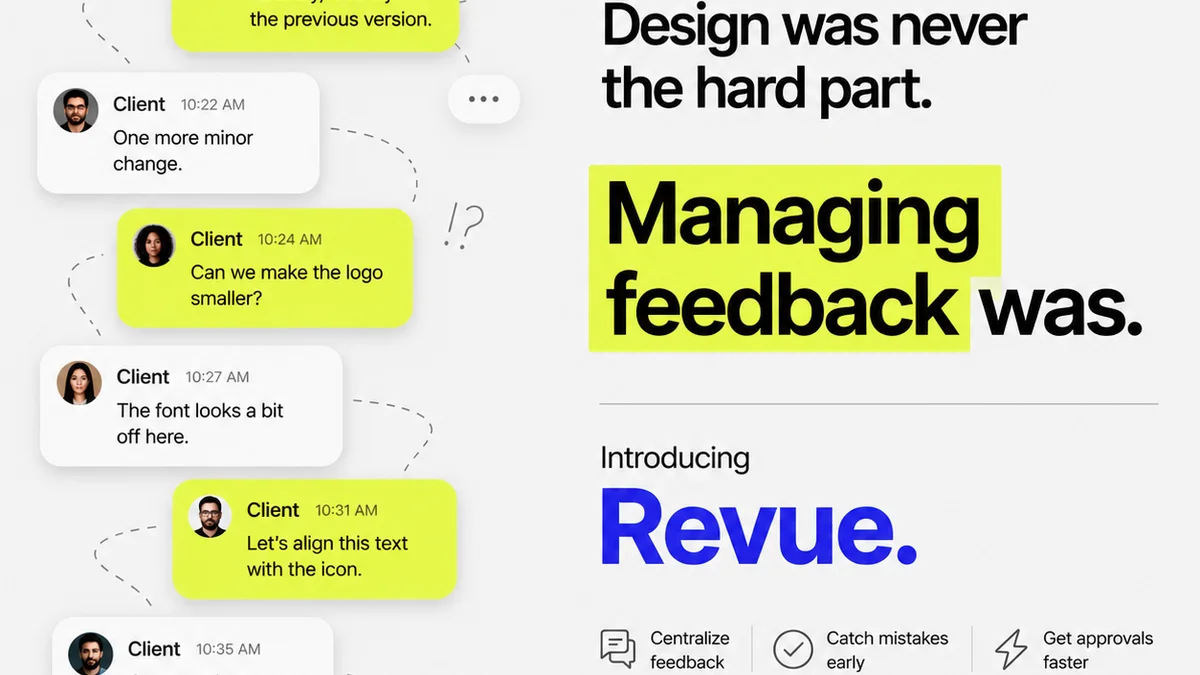
Most teams *think* they have one source of truth. They’re wrong. Feedback often splinters across multiple channels: an email thread here, a Slack message there, a verbal note in a meeting, a quick comment on a shared PDF that gets ignored.
This fragmentation is the silent killer of efficient approvals.
The Symptoms of Fragmented Feedback
- Endless “Where are the latest notes?” emails.
- Approvers referencing feedback that was never logged.
- Disputes over what was *actually* agreed upon.
- Designers wasting time hunting down scattered comments.
- Last-minute changes based on forgotten feedback.
This isn't just annoying; it’s expensive. Every minute spent searching for lost feedback is a minute not spent on creative work or client strategy. It’s a direct hit to your agency’s bottom line.
2. The Ambiguity of
Frequently asked questions
What are the biggest mistakes agencies make with revision approvals?
The biggest mistake is focusing only on speed. Agencies often overlook the critical importance of clear briefs, centralized feedback, proper version control, and defined approval roles. Without these, faster cycles just lead to more confusion and rework.
How can I ensure clients provide clear feedback?
Start with a crystal-clear creative brief that sets expectations. During feedback rounds, provide structured review sessions or use tools that allow for contextual comments. Always summarize feedback and confirm understanding before revisions begin.
What's the best way to manage different versions of creative work?
Implement a clear versioning system (e.g., v1.0, v1.1, v2.0). Use a centralized platform that automatically tracks versions and stores all feedback associated with each. This prevents confusion and ensures everyone is working from the latest approved iteration.
How does centralized feedback help approvals?
Centralized feedback consolidates all comments, discussions, and decisions in one place. This eliminates the need to hunt through emails or Slack channels, reduces misinterpretations, and provides a clear audit trail, making the approval process more transparent and efficient.