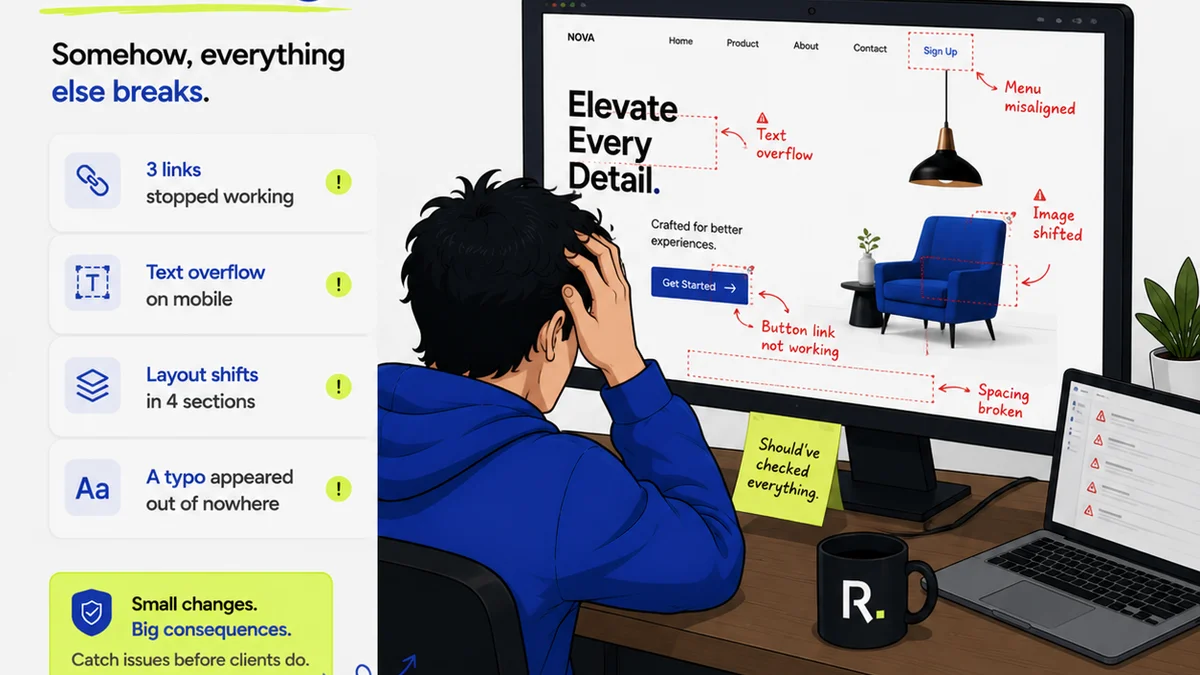
Everyone talks about creative revisions. They say you need clear feedback, good communication, and a happy client. None of that is wrong. But it’s incomplete.
The hard truth is that mastering creative revisions isn’t about managing emotions or just being a good listener. It’s about operational rigor. It’s about a systematic approach to a process that, left unchecked, devours time, drains budgets, and degrades quality.
1. The Myth of the 'Vague' Client Note
You’ve heard it. You’ve probably said it. “The client’s feedback is too vague.”
This isn’t a client problem. It’s a process problem.
When feedback feels vague, it’s usually because the context for that feedback is missing. The reviewer doesn’t have a clear understanding of what they’re looking at, what the goals are, or what the constraints might be. Or, perhaps more commonly, the feedback is vague because it’s not tied to specific, actionable criteria.
Why 'Vague' Feedback Happens
- Lack of clear project objectives shared upfront.
- Absence of defined success metrics for the creative.
- Reviewers not being given specific questions to answer.
- Feedback being given in a vacuum, without the original brief or context.
- Too many stakeholders providing unaligned input.
This isn’t about blaming the client. It’s about building a framework that anticipates and mitigates this. It’s about structuring the feedback loop so that even subjective input can be translated into action.
2. Defining 'Done' for Creative Work
What does 'done' even mean for a piece of creative? It’s more than just the client signing off.
A solid revision process starts *before* the first draft is even sent. It begins with an ironclad understanding of the project’s goals and the criteria for success.
The Pre-Revision Foundation
Before any creative work begins, ensure these are locked:
- Project Brief: A living document outlining goals, target audience, key messages, and deliverables.
- Success Metrics: How will we know if this creative is effective? (e.g., conversion rates, engagement, brand recall).
- Brand Guidelines: Clear rules on logo usage, typography, color, tone of voice.
- Technical Specifications: File formats, dimensions, accessibility standards (like WCAG guidelines WCAG), and platform requirements.
When these are clear, feedback naturally becomes more specific. Instead of “I don’t like the blue,” it becomes “The blue doesn’t align with our brand palette as defined in section 3.2 of the guidelines.”
3. Structuring the Feedback Loop
A chaotic feedback loop is the fastest way to project death.
Think of it as a funnel. Raw input comes in, gets refined, and actionable items emerge at the bottom. Without structure, it’s just a messy pile.
Key Elements of a Structured Loop
- Designated Reviewers: Identify who needs to provide feedback and at what stage.
- Clear Deadlines: Feedback windows must be defined and adhered to.
- Consolidated Feedback: All input should be gathered in one place, not scattered across emails and Slack messages.
- Actionable Insights: Feedback must be translated into specific tasks for the creative team.
This requires discipline. It requires tools. And it requires a shared understanding that feedback is a critical part of the production process, not an afterthought.
4. The Revision Checklist: From Vague to Verifiable
This is where you move from subjective preference to objective assessment. A checklist transforms the revision process from a guessing game into a quality assurance step.
Your checklist should cover multiple dimensions of the creative output.
The Core Checklist Categories
-
Alignment with Brief:
- Does the creative directly address the project objectives?
- Is the core message clear and prominent?
- Does it resonate with the target audience defined in the brief?
-
Brand Consistency:
- Are brand colors, logos, and typography used correctly per guidelines?
- Is the tone of voice appropriate?
- Is the overall aesthetic aligned with the brand identity?
-
Technical Accuracy:
- Are all files correctly formatted and sized?
- Are links working? (If applicable)
- Are there any typos or grammatical errors?
- Does it meet accessibility standards?
-
User Experience (UX) / Usability:
- Is the navigation intuitive? (For digital products)
- Is the call to action clear and compelling?
- Is the content easy to read and understand?
-
Client-Specific Requirements:
- Are all specific requests from the client addressed?
- Does it meet any legal or compliance requirements?
This isn't just a tick-box exercise. It’s a framework for critical evaluation.
Each point on the checklist should be verifiable against the project brief, brand guidelines, or technical specifications. This provides an objective basis for discussion, even when subjective opinions are involved.
5. Managing Revision Rounds Effectively
The number of revision rounds is often a symptom of deeper issues. Too many rounds signal inefficiency.
A well-defined process limits the number of rounds needed.
Strategies for Limiting Rounds
- Staged Approvals: Get sign-off on key elements (e.g., concept, copy, design) before moving to the next stage.
- Consolidated Feedback per Round: All feedback for a given round should be submitted at once. No drip-feeding.
- Clear Scope for Each Round: Define what is being reviewed and what changes are expected.
Frequently asked questions
What is the primary goal of a creative revisions checklist?
The primary goal is to bring structure and objectivity to the creative revision process, ensuring that feedback is actionable, aligned with project goals, and that the final output meets all requirements before final approval.
How can a checklist prevent vague client feedback?
A checklist encourages reviewers to evaluate creative work against specific criteria (brief alignment, brand consistency, technical accuracy). This shifts the focus from subjective opinions to verifiable assessments, prompting more precise feedback.
How many revision rounds are ideal?
While there's no single 'ideal' number, a well-managed process aims to minimize rounds. Typically, 2-3 rounds of substantive revisions are common. Excessive rounds often indicate issues with the initial brief, unclear feedback, or a lack of a structured review process.
Who should use a creative revisions checklist?
This checklist is valuable for creative agencies, in-house design teams, project managers, account managers, and even clients who are involved in the review and approval process. It serves as a common framework for evaluation.