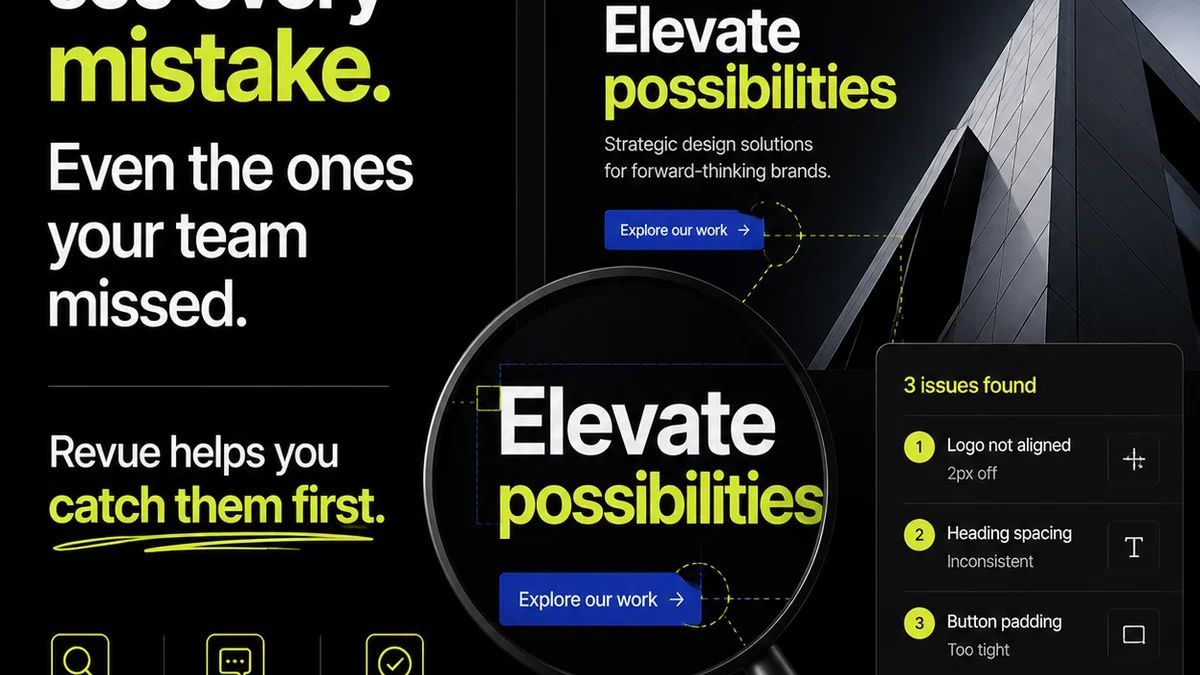
Everyone knows creative revisions are a beast. The common advice? Get feedback early and often. Be crystal clear in your briefs. Document everything.
None of that is wrong. But it’s incomplete.
The hard truth is that even with the best intentions, the revision process can devolve into chaos. Miscommunication, missed details, endless back-and-forth – it’s a drain on time, budget, and team morale. What’s missing isn’t more documentation; it’s a structured system for managing revisions effectively.
1. The Assumption: More Feedback is Always Better
The mantra of
Frequently asked questions
What's the biggest mistake agencies make with revisions?
Failing to centralize feedback. When comments come from multiple channels (email, Slack, meetings), it's easy to miss crucial points or misinterpret instructions, leading to more rounds of revisions than necessary.
How can a checklist improve the revision process?
A checklist ensures consistency and completeness. It provides a clear set of steps and criteria for reviewing work, catching errors before they reach the client and ensuring all feedback points are addressed systematically.
When should revisions be formally approved?
Ideally, after all agreed-upon changes have been made and verified. A formal approval step, often marked within a project management tool, signifies the end of the revision cycle for that specific deliverable.
Can a checklist prevent scope creep during revisions?
Yes. By clearly defining what constitutes a revision versus a new request (based on the original brief), a checklist helps identify and flag out-of-scope changes early, allowing for proper scope adjustment and potential additional billing.