Everyone talks about collaboration. You need to get your creative teams working together, right? Especially in the fast-paced, visually-driven hospitality industry. That’s the common wisdom. And it’s not wrong. But it’s incomplete.
The real truth? Effective creative team collaboration for hospitality isn't just about meetings and shared documents. It’s about building a system that actively *prevents* miscommunication, streamlines feedback, and ensures brand consistency across every touchpoint. It’s about operational excellence disguised as teamwork.
1. The Hospitality Brand is a Moving Target
Hospitality brands live and die by their guest experience. This means constant evolution. New menus, seasonal promotions, updated room designs, social media campaigns reflecting current trends, event marketing. The creative output needs to be agile and always on-brand.
This rapid pace creates friction. Designers are chasing approvals. Copywriters are rewriting. Marketing managers are juggling multiple vendors and internal teams. Without a clear process, chaos is inevitable.
The Symptoms of Stale Collaboration
- Inconsistent brand visuals across different platforms (website vs. social vs. print).
- Delayed campaign launches due to endless revision cycles.
- Team members working on outdated assets or briefs.
- Frustration and burnout among creative staff.
- Client feedback getting lost or misinterpreted.
These aren't minor hiccups. They are direct threats to brand perception and revenue.
2. Beyond the Brief: Understanding Project DNA
A project brief is just the starting point. For hospitality, the 'DNA' includes not just the campaign goals but also the target guest profile, the specific hotel or restaurant context, the competitive landscape, and the desired emotional resonance. This depth is often missed in standard briefs.
Creative teams need to collaborate not just on executing the brief, but on *deeply understanding* the project's context. This involves input from marketing, operations, and even front-line staff where possible.
Unpacking Project DNA
- Guest Persona Alignment: Does the creative resonate with the target demographic for *this specific property*?
- Operational Feasibility: Can the proposed marketing collateral be realistically produced and deployed by the hotel staff?
- Competitive Differentiation: How does this creative stand out from nearby competitors and other luxury brands?
- Brand Voice Consistency: Does the tone match the established brand voice for this segment of the hospitality market?
This holistic view fuels better creative and fewer, more impactful revisions.
3. The Feedback Loop: From Noise to Signal
Client feedback is notoriously difficult to manage, especially in hospitality where multiple stakeholders (GM, Marketing Director, Corporate Brand Manager) might have input. Email chains, scattered Slack messages, and scribbled notes on PDFs create a tangled mess.
The goal isn't to get *more* feedback, but *better*, more actionable feedback. And to ensure it’s routed correctly and acted upon efficiently.
Turning Feedback into Action
- Centralized Feedback Hub: All comments, annotations, and approvals must live in one place.
- Clear Stakeholder Roles: Define who gives final approval and who provides input.
- Contextual Comments: Feedback should be tied directly to the asset being reviewed.
- Revision Tracking: Easily see what changes were made and why.
This transforms feedback from a bottleneck into a productive part of the creative process.
4. Visual Consistency: The Unseen Pillar of Hospitality Brands
A hotel's Instagram feed should look and feel like the hotel itself. A restaurant's menu design should align with its ambiance. In hospitality, visual consistency is paramount for building trust and communicating quality.
This requires a strong creative foundation and rigorous quality control. It’s not just about following a style guide; it’s about embodying the brand in every pixel and every word.
Maintaining Visual Integrity
- Master Style Guides: Comprehensive guides for logos, typography, color palettes, and imagery.
- Asset Libraries: Easily accessible, up-to-date brand assets for all teams.
- Cross-Platform Audits: Regular checks to ensure consistency across all marketing channels.
- Design System Adoption: Implementing reusable components for web and digital assets.
When the visuals are consistent, the brand feels more professional and reliable.
5. Agile Approvals: Speed Without Sacrifice
In hospitality, timing is everything. A new promotion needs to launch on a specific date. A website update needs to go live before a major event. Delays in creative approvals can mean missed revenue opportunities.
Many teams assume approvals are just a waiting game. The hard truth is that approval processes can be optimized for speed and clarity.
Strategies for Faster Approvals
- Defined Review Cycles: Set clear timelines for feedback and approval.
- Automated Notifications: Alert stakeholders when assets are ready for their review.
- Version Control: Ensure everyone is reviewing the latest iteration.
- Pre-defined Approval Workflows: Map out the exact steps and required sign-offs.
This doesn't mean rushing decisions. It means removing unnecessary friction.
Where Revue Fits In
Managing creative collaboration for hospitality brands demands a robust workflow. Scattered feedback, unclear revision histories, and inconsistent asset versions lead to costly mistakes and missed deadlines.
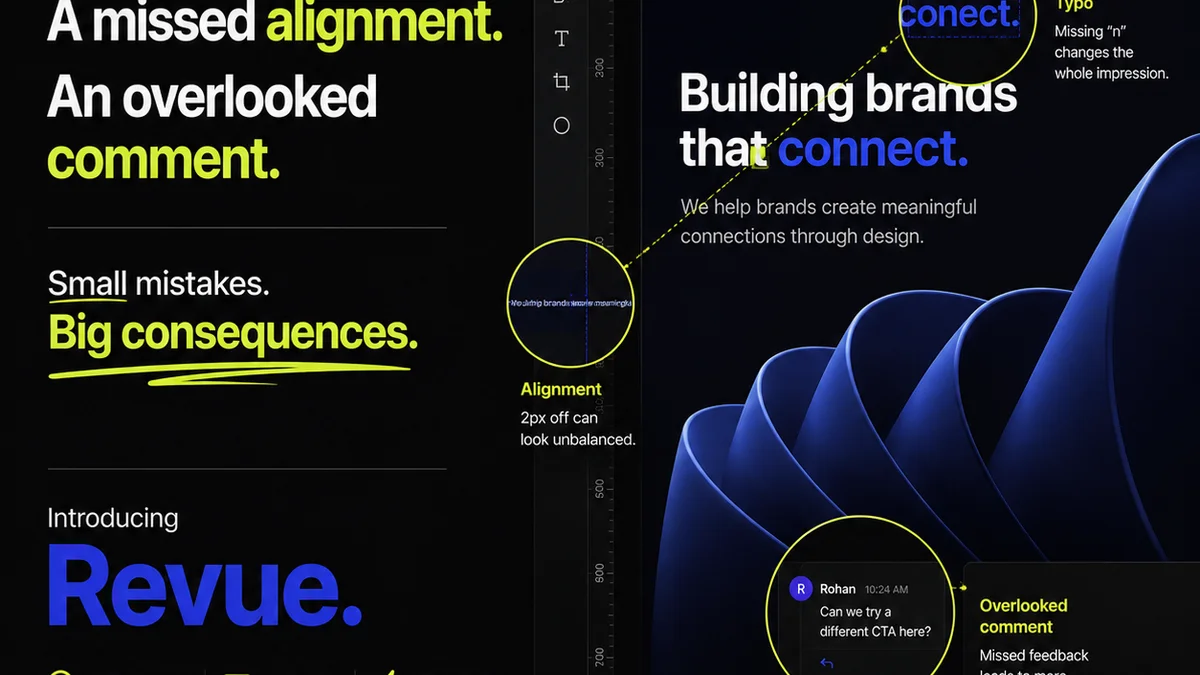
Revue provides a centralized platform designed to tackle these exact challenges. It streamlines client feedback directly on creative assets, offering clear version control and organized revision tracking. This ensures that every stakeholder is seeing the latest iteration and that feedback is contextual and actionable.
With Revue, creative teams can manage approvals efficiently, maintain brand consistency across all hospitality marketing materials, and ensure the final output meets the highest quality standards. It brings order to the creative chaos, allowing teams to focus on delivering exceptional work that drives guest engagement and loyalty.
Final Thought
What’s the biggest operational bottleneck hindering your hospitality creative team today? Is it the feedback process, asset management, or something else entirely? Identifying that core issue is the first step to building a truly collaborative and effective creative engine.
Frequently asked questions
How can agencies ensure brand consistency for multiple hospitality clients?
Agencies can ensure brand consistency by establishing robust master style guides, maintaining centralized asset libraries, conducting regular cross-platform audits, and adopting design systems. Using a platform like Revue to manage feedback and approvals also helps maintain visual integrity across all client projects.
What are the key challenges in creative feedback for the hospitality industry?
Key challenges include multiple stakeholders providing input (e.g., GM, marketing director), feedback getting lost in email chains or scattered messages, a lack of clear approval workflows, and difficulty ensuring feedback is contextual and actionable. Centralizing feedback on assets is crucial.
How does effective collaboration impact guest experience in hospitality?
Effective collaboration ensures that all creative touchpoints—from website visuals to social media posts and promotional materials—are consistent, on-brand, and high-quality. This builds trust, communicates professionalism, and reinforces the desired guest experience, ultimately driving loyalty and repeat business.
Can creative collaboration tools help with rapid seasonal promotions in hospitality?
Yes, tools like Revue are invaluable for rapid seasonal promotions. They streamline the feedback and approval process, allowing teams to iterate quickly on campaign assets. Centralized feedback and clear version control ensure everyone is working with the latest information, reducing delays and ensuring timely campaign launches.