Everyone talks about creative team collaboration. They say it’s about open communication, shared tools, and a positive vibe. None of that is wrong. But it’s incomplete.
The hard truth for retail creative teams? True collaboration isn’t just about being nice. It’s about building a system that makes collaboration *inevitable*, especially when juggling multiple product launches, seasonal campaigns, and endless stakeholder feedback.
For retail, this means a workflow that cuts through the noise and ensures everyone is on the same page, from concept to checkout. It’s about clarity, accountability, and speed. Especially speed.
1. The Myth of the 'Creative Hub'
Many agencies and in-house teams assume that if they just get everyone on the same Slack channel or the same Figma file, collaboration will magically happen. They think a central tool equals central collaboration.
This is a dangerous assumption. A tool is only as good as the process it supports. Without clear guidelines and defined roles, your 'hub' becomes a black hole for feedback and a breeding ground for confusion.
The Symptoms of a Broken Hub
- Endless email chains with conflicting instructions.
- Designers chasing down approvals from people who weren’t even CC'd.
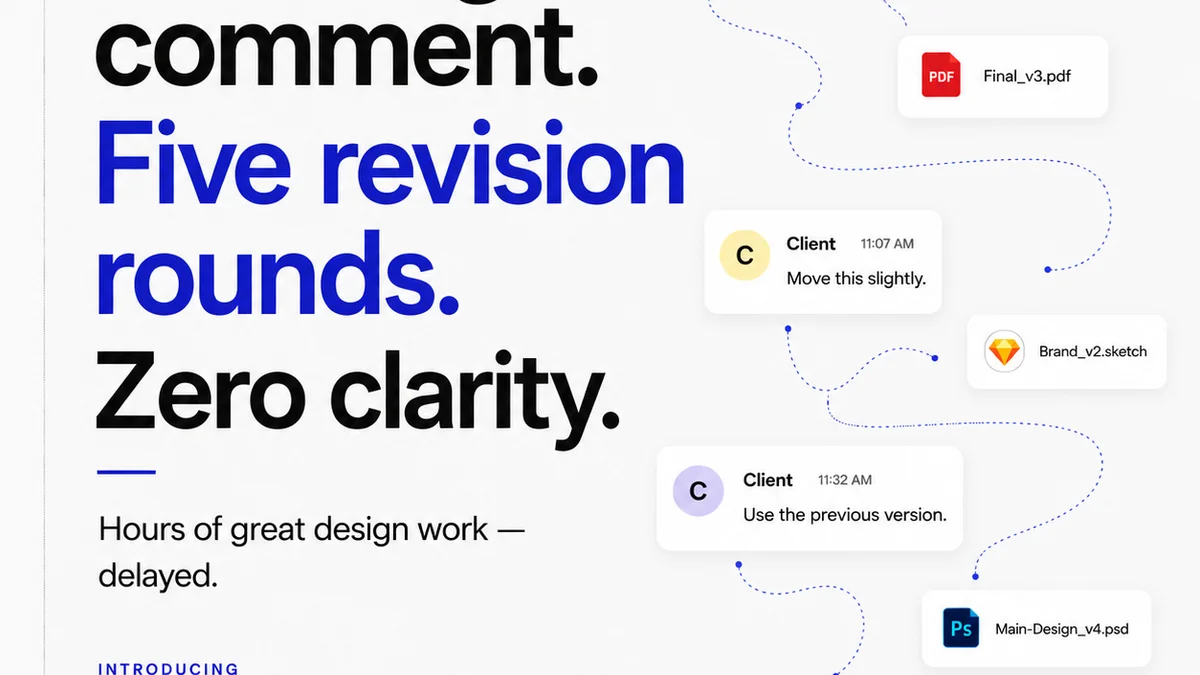
- Version control nightmares, leading to the wrong creative going live.
- Frustration and burnout because no one knows who’s responsible for what.
- Missed deadlines because of communication breakdowns.
This isn't collaboration. It's chaos disguised as connectivity.
2. Defining Collaboration for Retail's Pace
Retail moves fast. Campaigns need to launch yesterday. Product imagery needs updating constantly. Seasonal promotions require rapid iteration.
Your collaboration strategy must match this pace. It needs to be efficient, streamlined, and built for rapid decision-making. This means moving beyond ad-hoc communication and establishing a structured approach.
Key Elements of Retail Collaboration
- Clear Project Scoping: Before any creative work begins, define the objective, target audience, deliverables, and deadlines. Every stakeholder must agree.
- Defined Feedback Loops: Establish *when* and *how* feedback is collected. Is it after initial concepts? After a first draft? Who provides the feedback?
- Single Source of Truth: All project assets, feedback, revisions, and approvals must live in one accessible place. No more digging through emails or disparate cloud folders.
- Accountability Framework: Assign specific roles and responsibilities for each stage of the creative process. Who owns the final sign-off? Who is responsible for implementing feedback?
- Streamlined Approval Process: Make it easy for stakeholders to review and approve creative. This requires visual clarity and a clear mechanism for 'yes' or 'no'.
This structured approach isn't about stifling creativity; it's about clearing the path for it.
3. Building Blocks of Effective Creative Workflows
Forget the ping-pong of endless revisions. Effective collaboration is built on predictable processes. For retail creative, this means focusing on a few critical areas.
3.1. Centralized Feedback Collection
The biggest killer of creative momentum is scattered feedback. Client comments arrive via email, Slack messages, even verbal notes in a meeting. Each is a potential point of failure.
You need a system that aggregates all feedback in one place, tied directly to the creative asset being reviewed. This prevents misinterpretations and ensures that every piece of input is considered, not lost.
- Context is King: Feedback must be linked to the specific element it refers to – a headline, an image, a CTA button.
- Consolidated Input: All reviewers should submit feedback through the same channel. This creates a single, auditable record.
- Actionable Clarity: Feedback should be constructive and clear, not vague demands.
Frequently asked questions
What is the biggest challenge in retail creative collaboration?
The biggest challenge is the rapid pace of retail, which often leads to scattered feedback, version control issues, and communication breakdowns. Without a structured workflow, creative teams struggle to keep up with multiple campaigns and constant revisions, impacting speed and quality.
How can I centralize feedback for my retail creative team?
Centralize feedback by using a dedicated platform where all stakeholders can comment directly on creative assets. This ensures all input is in one place, linked to the specific element being reviewed, and avoids the confusion of multiple email threads or chat messages.
Why is a single source of truth important for retail creative projects?
A single source of truth is crucial because it ensures everyone is working from the latest versions of assets and that all project-related communication, feedback, and approvals are recorded and accessible. This eliminates confusion, reduces errors, and speeds up the entire creative process.
How does effective collaboration impact retail campaign success?
Effective collaboration directly impacts retail campaign success by ensuring creative is delivered on time, meets brand standards, and resonates with the target audience. Streamlined workflows reduce costly errors and delays, allowing for quicker adaptation to market trends and consumer behavior.