Everyone thinks they know version control. You name your files something like ProjectName_v01_final_final_really_final.psd. Or maybe you use dated folders. None of that is wrong. But it’s incomplete.
The hard truth is that true creative version control is less about file names and more about a disciplined workflow. It’s about clarity, accountability, and ensuring the right assets reach the right hands at the right time.
1. The Illusion of 'Final'
The word 'final' is the most dangerous in creative work. It implies an end, a point of no return. But in reality, 'final' is just a snapshot in a continuous process.
This is where most teams stumble. They save a file, call it 'final,' and move on. Then a client asks for a tiny tweak, or a stakeholder needs a different format. Suddenly, you’re digging through a graveyard of 'final' files, unsure which one is actually the most current or approved.
The Cost of Ambiguity
- Wasted time searching for the correct asset.
- Accidental delivery of outdated or unapproved versions.
- Confusion over who made the last change and why.
- Re-work due to using the wrong base file.
- Client frustration and loss of trust.
This chaos isn't just annoying; it's expensive. Every minute spent deciphering file histories is a minute not spent on billable work or strategic thinking.
2. Establishing a Clear Naming Convention (and Sticking to It)
Yes, file names matter. They’re the first line of defense. But a convention is only useful if it’s logical, consistent, and universally applied.
Forget the vague descriptors. Your naming convention should encode essential information.
Key Elements of a Good Convention
- Project Identifier: A unique code or name for the project.
- Asset Type: What kind of file is it? (e.g., `logo`, `banner`, `report`, `video_edit`)
- Version Number: Sequential numbering. Use leading zeros (
v01,v02, ...,v10) so they sort correctly. - Status Indicator: Crucial for clarity. Use codes like `_draft`, `_review`, `_approved`, `_final`.
- Date (Optional but Recommended): YYYYMMDD format for chronological sorting.
- Initials/Team (Optional): Who made the latest significant change?
Example: ACME_WebsiteBanner_v03_review_20231027_JD.jpg
This is specific. It tells you the project, the asset, its version, its current stage, when it was last updated, and by whom. It’s immediately actionable.
The Discipline Factor
A convention is worthless if people ignore it. This requires training, reinforcement, and leadership buy-in. Make it part of your onboarding and your regular project check-ins.
3. Implementing a Structured Revision Process
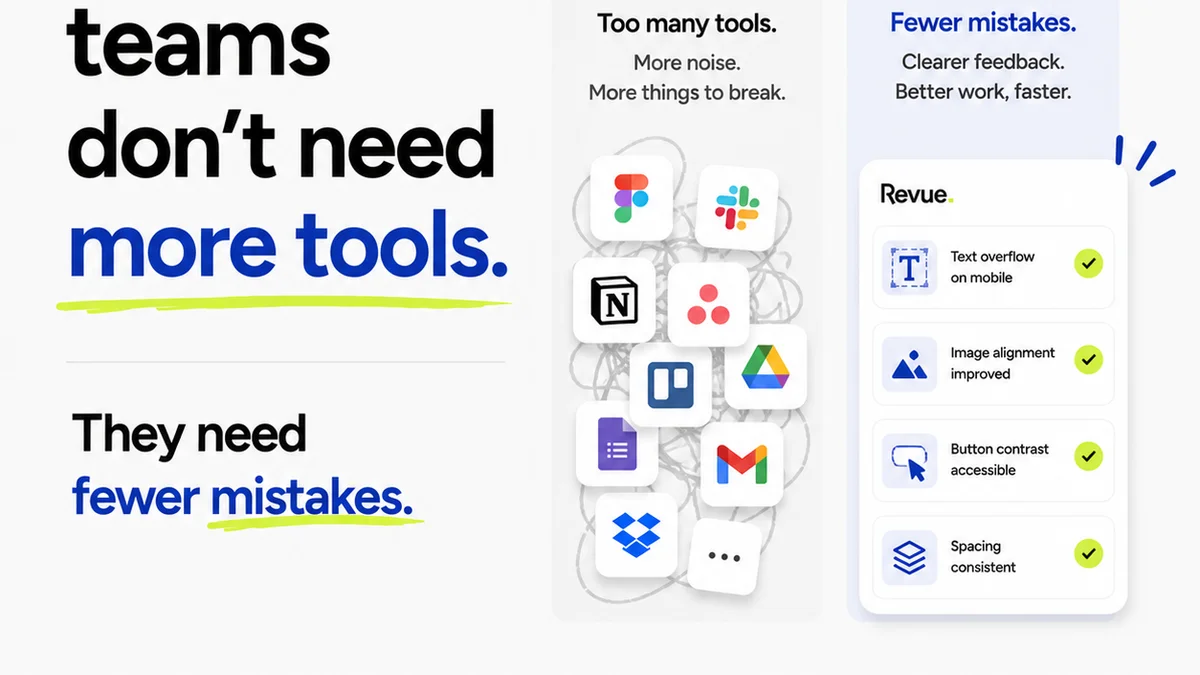
This is where most agencies fall short. They rely on email chains, Slack messages, or ad-hoc comments. This creates an unmanageable mess.
A structured revision process ensures that feedback is captured, assigned, tracked, and resolved systematically.
What a Structured Process Looks Like
- Centralized Feedback Hub: All feedback lives in one place, linked directly to the asset being reviewed.
- Clear Feedback Gating: Who can give feedback? Who needs to approve? Define roles.
- Actionable Feedback: Feedback should be specific, constructive, and tied to project goals. Vague comments like
Frequently asked questions
What is the most common mistake in creative version control?
The most common mistake is relying on inconsistent or vague file naming conventions and not having a centralized system for tracking revisions and approvals. This leads to confusion, wasted time, and the accidental delivery of outdated assets.
How can I improve my team's adherence to version control best practices?
Implement clear, simple naming conventions and a structured revision process. Provide training, lead by example, and use tools that enforce these processes. Regular project check-ins to review adherence can also help.
Why is a structured revision process more important than just file naming?
File naming is important for organization, but a structured revision process ensures that feedback is captured, tracked, and acted upon systematically. It provides accountability, clarity on approvals, and a clear audit trail, preventing chaos that file names alone cannot solve.
Can a single person manage version control for a large agency?
While one person can champion best practices, effective version control is a team responsibility. Everyone involved in the creative process needs to understand and follow the established conventions and workflows. Tools can automate much of the tracking, but team discipline is paramount.