Everyone talks about streamlining creative workflows in retail. They say it’s about faster approvals, better communication, and more impactful campaigns. None of that is wrong. But it’s incomplete.
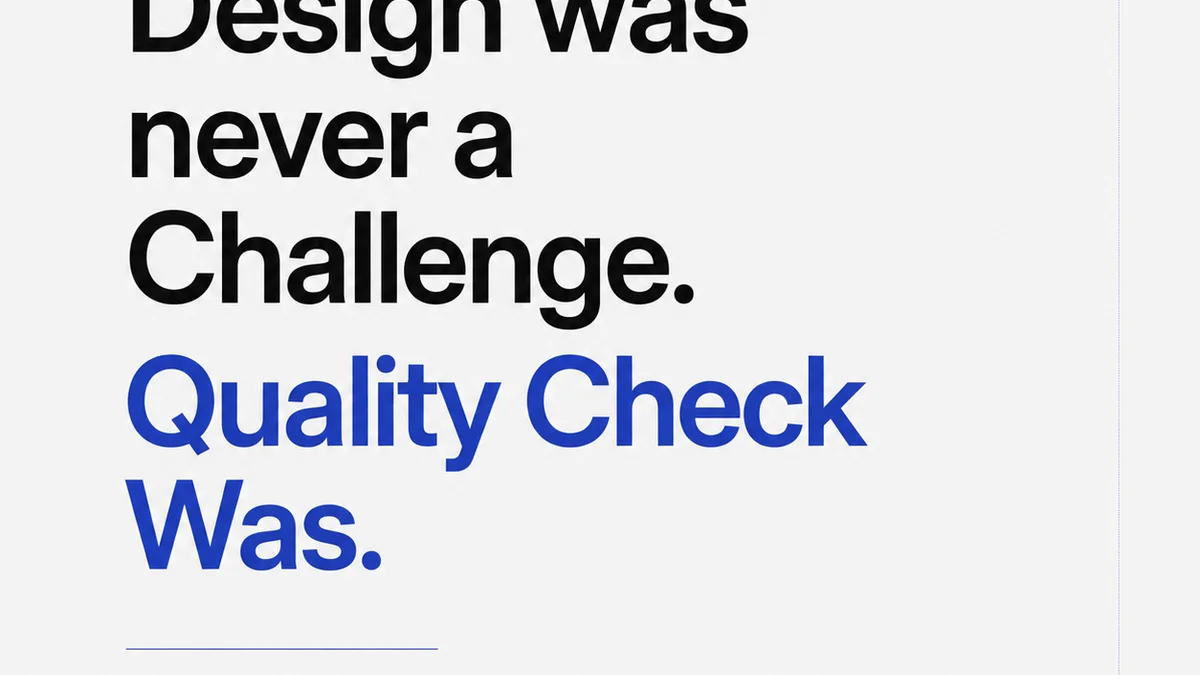
The hard truth? Most retail creative workflows aren't broken because of a lack of tools or process diagrams. They're broken because they ignore the fundamental friction points of feedback, revision, and quality control in a high-volume, high-stakes environment.
You’re not just moving files. You’re managing human perception, brand consistency, and market timing. And that requires a workflow built for reality, not just theory.
1. The Feedback Deluge: Taming the Chaos
Retail thrives on rapid iteration. Product launches, seasonal campaigns, flash sales – they all demand speed. But speed often comes at the cost of clarity. Feedback gets scattered across emails, Slack channels, and informal chats.
This creates a breeding ground for misinterpretation. What seemed like a minor tweak in a quick Slack message can become a major revision when misinterpreted by the design team.
The Symptoms of Feedback Chaos
- Endless
Frequently asked questions
What's the biggest mistake retail teams make with their creative workflows?
The biggest mistake is treating creative workflow as a purely technical problem. It's fundamentally a human communication and collaboration challenge, especially in retail where speed and brand consistency are paramount. Over-reliance on scattered tools and informal feedback loops leads to costly errors and delays.
How can retail teams improve their feedback process?
Centralize feedback. Use a single platform where stakeholders can comment directly on creative assets. Implement clear feedback guidelines, designate a feedback lead, and ensure all comments are actionable and consolidated before revisions begin. This minimizes misinterpretation and endless back-and-forth.
What role does quality control play in retail creative workflows?
Quality control is non-negotiable. In retail, a single misaligned asset can impact brand perception and sales. Robust QC involves automated checks for brand compliance, technical specifications, and legal requirements, followed by human review at critical stages. It prevents errors from reaching market.
How does a centralized platform help with retail campaign approvals?
A centralized platform provides a clear, auditable trail of all feedback and revisions. Stakeholders can see the history, understand the rationale behind changes, and approve assets within a defined process. This eliminates confusion about who approved what, when, and why, speeding up the final sign-off.