Everyone thinks creative workflow in healthcare is just about following rules. That it’s slow, bureaucratic, and inherently stifled by compliance. None of that is wrong. But it’s incomplete.
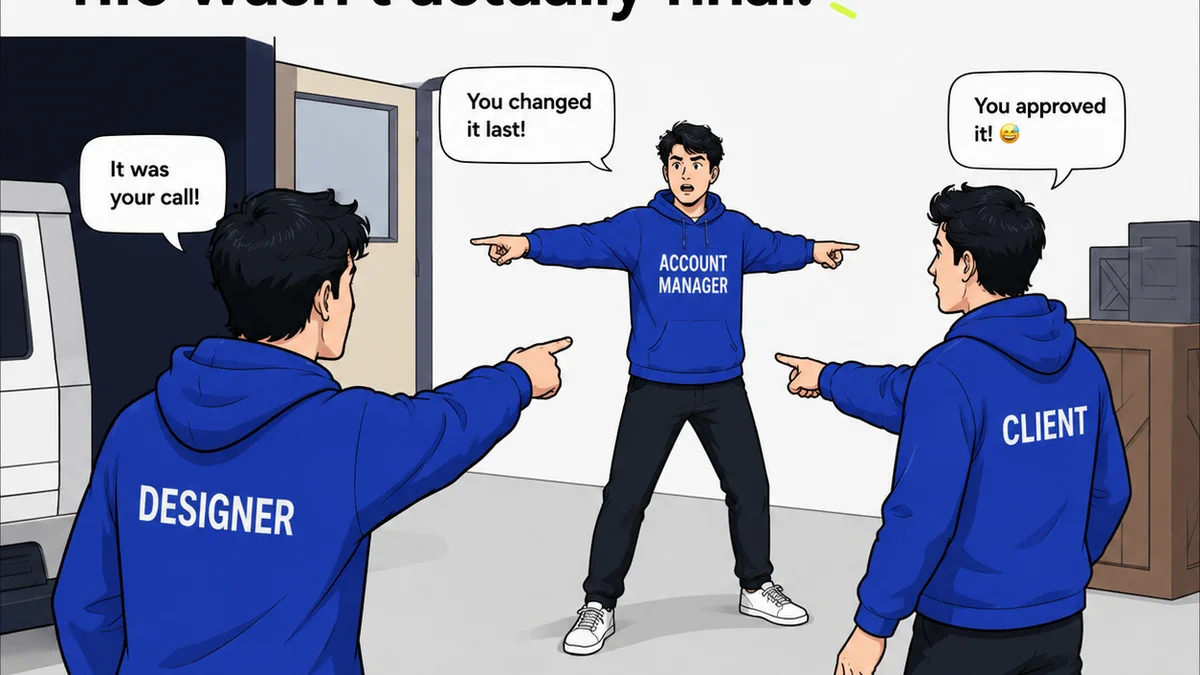
The hard truth is that healthcare creative teams often operate with fragmented communication, unclear approval chains, and a lack of visibility into the revision process. This isn't just an inconvenience; it's a direct threat to project timelines, budget, and the quality of the final output.
1. The Unique Landscape of Healthcare Creative
Healthcare isn't like other industries. The stakes are higher. Misinformation can have real-world consequences. This means your creative process must be built for precision, accuracy, and rigorous oversight. But that doesn't mean it has to be a nightmare.
You’re not just designing a brochure or a social media post. You're communicating complex medical information, building trust, and adhering to strict regulations like HIPAA. Every piece of content needs to be fact-checked, legally reviewed, and medically accurate.
The Regulatory Maze
Compliance is non-negotiable. Think FDA guidelines, HIPAA regulations, and internal legal review. These aren't optional steps; they are foundational to everything you produce.
This often leads to a perception of creative teams being bogged down. The reality is, the process *must* be thorough. The challenge is making it efficient, not cutting corners.
Stakeholder Complexity
In healthcare, your stakeholders often include:
- Medical professionals (doctors, nurses, researchers)
- Legal and compliance officers
- Marketing and communications departments
- Patients and patient advocacy groups
- External vendors and agencies
Each group has different priorities and a unique understanding of the subject matter. Managing their input and feedback can feel like herding cats.
Timeliness vs. Accuracy
There's a constant tension between the need to get information out quickly (especially in public health crises) and the absolute requirement for accuracy and review. This tension often highlights the weaknesses in a manual or disjointed workflow.
2. Common Bottlenecks in Healthcare Creative Workflows
Where does the creative process in healthcare typically break down? It’s rarely the creative talent. It’s the operational friction.
Email Chains of Doom
Endless email threads with attachments, version confusion, and lost feedback are rampant. “Did you see my comments on version 5?” is a question no one wants to ask.
Manual Version Control
Without a system, tracking revisions is a manual, error-prone task. Who approved what, and when? This ambiguity is a compliance risk.
Siloed Feedback
Comments come from different sources – email, Slack, even sticky notes. Consolidating this disparate feedback into actionable tasks is a huge time sink.
Lack of Centralized Approval Tracking
Knowing the status of a piece of creative is often a guessing game. Who is waiting for whom? This lack of visibility paralyzes progress.
The
Frequently asked questions
How does HIPAA affect creative workflows in healthcare?
HIPAA mandates the protection of Protected Health Information (PHI). In creative workflows, this means ensuring that any patient data, images, or testimonials used are properly de-identified or have explicit consent. Workflows must include checks to prevent accidental data breaches during content creation, review, and distribution.
What are the key differences between healthcare and other industry creative workflows?
The primary differences lie in the stringent regulatory environment, the critical need for medical accuracy, and the higher stakes of communication. Healthcare workflows demand more rigorous fact-checking, legal review, and compliance checks, often involving a wider array of specialized stakeholders.
How can agencies manage feedback from multiple medical and legal reviewers?
Centralized feedback platforms are essential. Instead of relying on scattered emails or documents, use a tool where all reviewers can provide feedback on a single version, track changes, and see each other's comments. This streamlines consolidation and reduces version confusion.
What is the role of a quality check in healthcare creative?
Quality checks in healthcare creative ensure that the final output is accurate, compliant, and meets all project objectives. This goes beyond standard proofreading to include medical fact verification, legal sign-off confirmation, and adherence to brand guidelines and regulatory standards.