Everyone talks about optimizing the creative workflow. They preach faster turnarounds, leaner processes, and leveraging the latest tech. It sounds good. It sounds like progress.
None of that is wrong. But it’s incomplete.
The hard truth is that most modern creative teams are so focused on speed and output that they’ve neglected the very foundations of sustainable performance: clarity, control, and collaboration.
1. The Illusion of Agility
Agile is a buzzword thrown around everywhere. For software teams, it means iterative development and rapid response to change. For creative teams, it often translates to a frantic scramble fueled by last-minute feedback and unclear priorities.
This isn't agility. It's chaos disguised as flexibility.
The Symptoms of Fake Agility
- Constant context switching that kills deep work.
- Scope creep that’s accepted as
Frequently asked questions
What's the biggest mistake creative teams make with their workflow?
Focusing too much on speed and output at the expense of clarity, control, and collaboration. This leads to burnout, errors, and a reactive, rather than proactive, approach.
How can a creative team improve its workflow without just adding more tools?
By establishing clear processes for communication, feedback, and approvals. Documenting these processes and ensuring everyone understands and adheres to them is key. Streamlining existing tools and integrating them effectively also helps.
What are the benefits of a well-defined creative workflow?
A well-defined workflow leads to increased efficiency, reduced errors, better client satisfaction, improved team morale, and more predictable project outcomes. It allows teams to handle complexity and scale effectively.
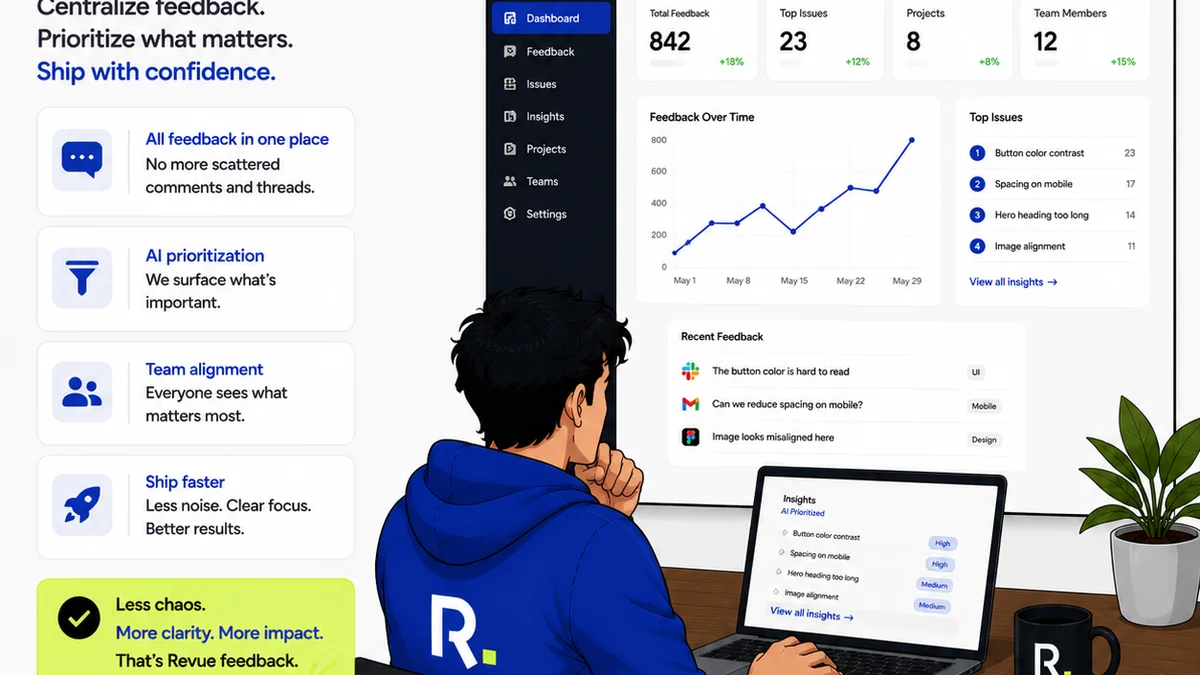
How does centralized feedback help a creative workflow?
Centralized feedback eliminates scattered comments across multiple platforms, reducing confusion and the risk of missed revisions. It provides a single source of truth for all client input, making the review and approval process more efficient and transparent.