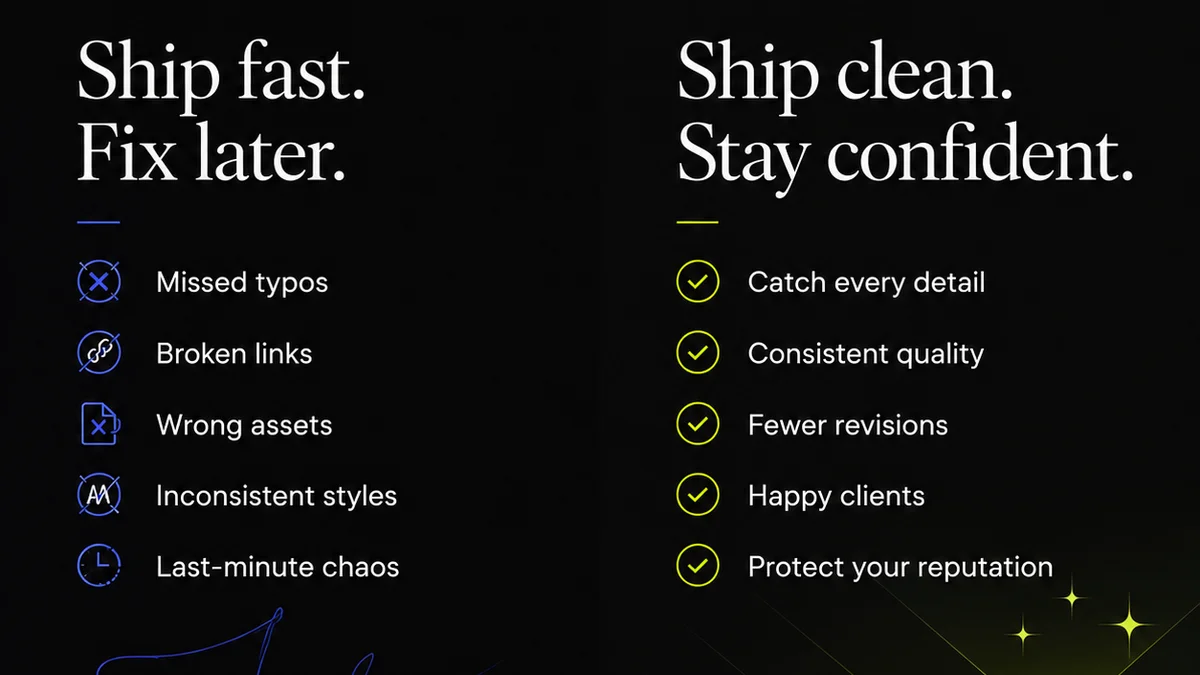
Everyone talks about creative workflow ROI. It sounds impressive, like a secret sauce for agency success. But for retail brands, the term often gets muddled. You hear about faster turnarounds, fewer revisions, better collaboration. None of that is wrong. But it’s incomplete.
The hard truth? For retail, creative workflow ROI isn't just about efficiency; it's about directly impacting sales, brand consistency, and market agility. It's about turning creative output into measurable business results.
1. The Real Cost of Slow Creative in Retail
Retail moves fast. Trends shift, promotions launch weekly, and seasonal campaigns are the lifeblood of the industry. When creative workflows lag, the impact is immediate and painful.
Think about it:
- Missed launch dates for seasonal collections.
- Delayed in-store signage for critical sales events.
- Outdated product photography going live online.
- Inconsistent branding across digital and physical touchpoints.
These aren't just minor hiccups; they're lost revenue opportunities and damaged brand perception. Every day a campaign is delayed, competitors gain ground. Every piece of collateral with an error or inconsistency erodes trust.
The Domino Effect
A single bottleneck in creative can cascade. A delayed banner ad means the email campaign can't go out. A late product description means the e-commerce listing is held up. This isn't just about the creative team; it affects marketing, sales, and operations.
2. Defining Success Beyond Deliverables
When retail marketers and creative directors discuss ROI, they're not just looking at the number of assets produced. They're looking at the business outcomes these assets drive.
This means shifting the definition of success from:
- “We delivered 50 product images this week.”
- To: “We launched the new summer line on time, and sales are up 15% compared to last year.”
Or from:
- “We completed all requested revisions for the holiday campaign.”
- To: “The holiday campaign achieved a record conversion rate, with consistent brand messaging across all channels.”
Key Metrics That Matter
True creative workflow ROI in retail ties back to tangible business goals. This includes:
- Sales Uplift: Did the campaign or product launch drive increased revenue?
- Conversion Rates: How effectively did creative assets convert viewers into customers?
- Brand Consistency Score: Measured through audits, how unified is the brand's visual and messaging across all touchpoints?
- Time-to-Market: How quickly can new products or campaigns be launched from concept to customer?
- Customer Acquisition Cost (CAC): Did the creative efforts contribute to a more efficient customer acquisition process?
- Customer Lifetime Value (CLV): Does consistent, high-quality creative foster loyalty and repeat business?
These are the metrics that make a difference on the balance sheet. They are the true measure of creative workflow effectiveness.
3. The Hidden Drain: Inefficient Feedback Loops
Perhaps the single biggest killer of creative workflow ROI in retail is the chaotic feedback process. Emails get lost, comments are buried in attachments, and crucial context disappears.
This leads to:
- Endless rounds of revisions based on misunderstood feedback.
- Team members working on outdated versions of assets.
- Key stakeholders signing off on work that isn't what they envisioned.
- A constant scramble to
Frequently asked questions
What is creative workflow ROI in the context of retail?
Creative workflow ROI in retail refers to the measurable business impact of efficiently managed creative processes. It's about how streamlined workflows directly contribute to increased sales, improved brand consistency, faster time-to-market, and reduced operational costs, rather than just the speed of asset delivery.
How does inefficient feedback affect creative ROI?
Inefficient feedback loops are a major drain on creative ROI. They lead to excessive revisions, wasted time, miscommunication, and ultimately, delays and costly rework. This directly impacts the speed and effectiveness of marketing campaigns and product launches, reducing potential revenue.
What are key metrics to measure creative workflow ROI in retail?
Key metrics include sales uplift, conversion rates, brand consistency scores, time-to-market for campaigns and products, customer acquisition cost, and customer lifetime value. These metrics tie creative output directly to business performance.
Can technology improve creative workflow ROI in retail?
Yes, specialized creative workflow tools can significantly improve ROI by centralizing feedback, providing version control, automating approvals, and offering clear visibility into project status. This reduces errors, speeds up processes, and ensures brand consistency.