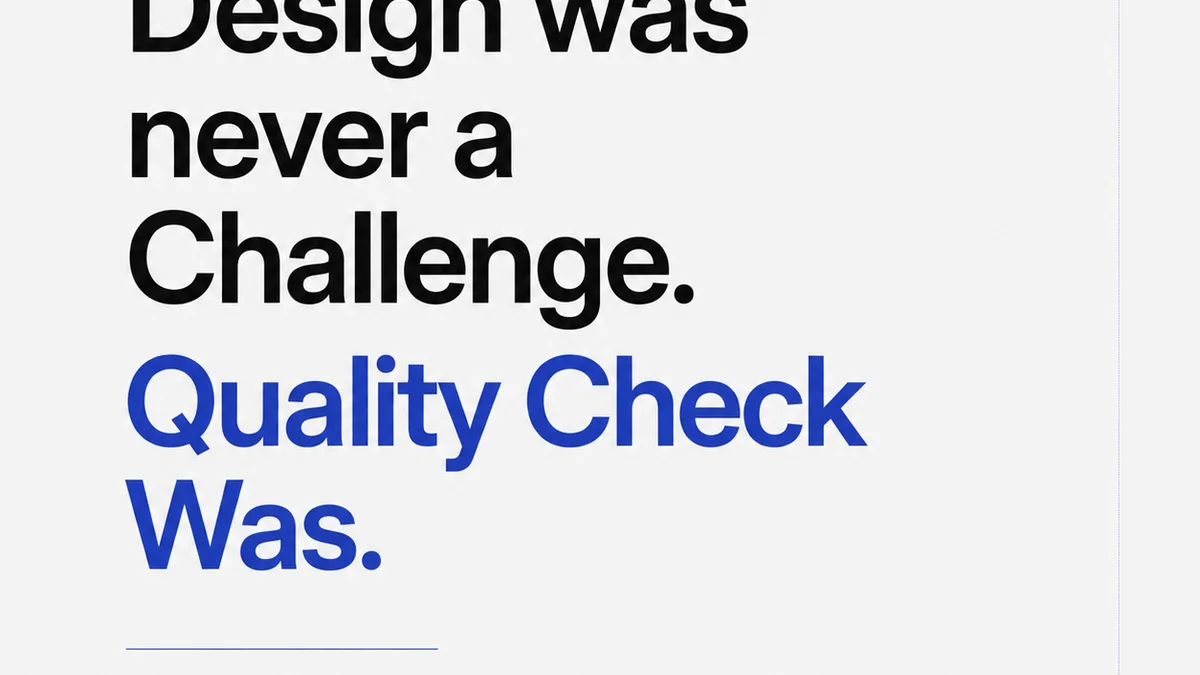
Everyone thinks government creative work is slow, bureaucratic, and stuck in the past. That’s not entirely wrong. But it’s incomplete.
The real challenge isn't just the process; it's the inherent complexity of public service communication. Agencies need to reach diverse audiences, adhere to strict regulations, and demonstrate accountability. This demands a level of precision and control that commercial creative work rarely requires. The deeper truth? Government creative teams need workflow solutions built for their specific demands, not generic tools.
1. The Unique Demands of Government Creative Work
Government agencies aren't just selling a product or service. They're communicating vital information, shaping public policy, and fostering trust. This mission-critical context changes everything about the creative process.
Audience Fragmentation
Who are you talking to? Citizens, businesses, international bodies, internal staff, elected officials? Each group has different needs, levels of understanding, and communication preferences. A single campaign might need to resonate with a high school student researching a science project and a CEO navigating regulatory compliance.
Regulatory Hurdles
Every word, image, and design choice is scrutinized. Accessibility standards (like WCAG), legal disclaimers, privacy policies, and brand consistency across departments add layers of complexity. A minor oversight can lead to costly revisions or even public backlash.
Stakeholder Labyrinth
Feedback isn't just from a marketing manager. It can come from legal, compliance, public affairs, subject matter experts, and oversight committees. Each stakeholder has a valid, often non-negotiable, perspective. Managing these diverse inputs without chaos is a significant operational hurdle.
Accountability and Transparency
Government work is inherently public. Every creative asset can become a public record. This necessitates clear version control, audit trails, and defensible decision-making processes. You can't just
Frequently asked questions
What are the biggest workflow challenges for government creative teams?
Government creative teams often struggle with fragmented audiences, complex regulatory requirements, numerous stakeholders providing feedback, and the need for absolute accountability and transparency in all communications.
How can specialized workflow services help government agencies?
Specialized services can centralize feedback, provide clear revision and approval tracking, ensure brand and regulatory compliance, and improve overall project efficiency, which is critical for mission-driven work.
Is accessibility compliance a major factor in government creative workflows?
Absolutely. Government agencies are legally mandated to meet accessibility standards like WCAG for digital content. Workflow tools must support these requirements by facilitating accessible design and content creation.
Can workflow services improve inter-agency creative collaboration?
Yes. Centralized platforms allow different departments or agencies to collaborate on creative projects, share assets, and streamline the review process, reducing duplication of effort and ensuring consistent messaging.