Everyone talks about the customer journey. Especially in telecom, where churn is a constant threat and acquisition costs are sky-high. You’ve probably read it a thousand times: map the touchpoints, personalize the experience, leverage data. None of that is wrong. But it’s incomplete.
The hard truth is, focusing solely on the *customer’s* perceived journey misses the operational engine that powers it. Telecom is a complex beast. Network reliability, billing accuracy, support responsiveness—these aren't just features; they are the bedrock of the customer experience. Get these wrong, and your fancy journey maps are worthless.
1. The Myth of the Seamless Digital-Only Journey
The assumption: Customers want to do everything online. Self-service portals, automated chatbots, instant app updates. And yes, digital is crucial. But telecom isn’t like ordering a pizza. It involves critical infrastructure, often complex contracts, and significant financial commitments.
When things go wrong—and they will—a digital-only fallback feels like a dead end. Customers still need a human. They need reassurance, clarity, and a path to resolution that doesn't involve navigating an endless FAQ.
The Human Element is Non-Negotiable
Consider these scenarios:
- A billing error that’s impossible to correct via the app.
- A service outage impacting a small business’s operations.
- A complex data plan change requiring expert advice.
In these moments, the quality of your human interaction—whether via phone, in-store, or even a well-handled email—becomes the defining moment of truth. It’s not about *if* you offer digital, but *how well* your digital complements and escalates to human support.
2. Operational Excellence as the Foundation
The real customer journey in telecom isn't just about marketing promises; it's about the consistent, reliable delivery of core services. This is where operations take center stage.
Think about it. What’s the biggest driver of dissatisfaction?
- Service outages.
- Billing disputes.
- Slow or unhelpful customer support.
- Installation delays.
These are all operational failures. Your customer journey strategy must be deeply integrated with your operational teams.
Network Reliability: The Silent Hero
If your network is unstable, no amount of personalized messaging will save you. Customers expect their internet to work. They expect their calls to connect. This requires constant investment and proactive maintenance, not just reactive fixes.
Key Operational Pillars:
- Network Uptime: Minimizing downtime through robust infrastructure and rapid response.
- Billing Accuracy: Implementing systems and checks to prevent errors before they reach the customer.
- Support Responsiveness: Equipping support agents with the tools and training to resolve issues efficiently.
- Onboarding Clarity: Ensuring new customers understand their plans, charges, and how to get help from day one.
These aren't sexy topics, but they are the engine room.
3. Proactive Communication: Beyond the Outage Notification
Most telecom companies excel at communicating *during* a crisis. The outage alert is standard. But what about proactive communication that *prevents* issues or manages expectations before they fester?
This means anticipating customer needs and potential pain points. It’s about transparency, even when the news isn't good.
Examples of Proactive Communication:
- Planned Maintenance: Notifying customers well in advance about scheduled work that might cause temporary disruptions. Explain *why* and *what the benefit will be*.
- Usage Alerts: Warning customers if they are approaching data limits to avoid surprise charges.
- Service Updates: Informing customers about network upgrades in their area that might cause brief interruptions but will ultimately improve service.
- Contract Renewals: Reaching out with clear, concise options well before a contract expires, avoiding the dreaded auto-renewal surprise.
This builds trust. It shows you value the customer’s business and are looking out for them.
4. Feedback Loops: Turning Complaints into Improvements
Customer feedback is gold, but only if you act on it. In telecom, feedback often comes through complaints about billing, service, or technical issues. The common assumption is that collecting feedback is enough.
The reality is, you need a closed-loop system. You don't just collect feedback; you analyze it, identify root causes, and implement changes. Then, you communicate those changes back to the customers who provided the feedback.
The Closed-Loop Process:
- Collect Feedback: Via surveys, support interactions, social media, etc.
- Analyze Trends: Identify recurring issues and their underlying causes.
- Implement Solutions: Make necessary changes to processes, systems, or training.
- Communicate Changes: Inform customers (especially those who complained) about the improvements made.
This demonstrates that their voice matters and drives continuous improvement in your operational delivery.
5. Simplifying the Complex: Clarity in Contracts and Plans
Telecom plans and contracts are notoriously convoluted. This complexity is a major friction point in the customer journey.
The best practice isn't just to have clear terms and conditions (though that's vital). It's to present information in an easily digestible format *throughout the journey*.
Simplify Everywhere:
- Marketing Materials: Use clear language, avoid jargon.
- Sales Conversations: Ensure agents explain plans thoroughly and answer questions directly.
- Billing Statements: Break down charges logically and explain them.
- Online Portals: Offer plain-language summaries alongside detailed breakdowns.
Customers shouldn't need a legal degree or an accounting background to understand their service or bill. Clarity reduces confusion, minimizes disputes, and fosters loyalty.
Where Revue Fits In
Managing client feedback and revisions is crucial for any business, and telecom is no exception, especially when dealing with marketing, onboarding materials, or internal process documentation. The complexity of telecom often requires clear, well-received communication assets.
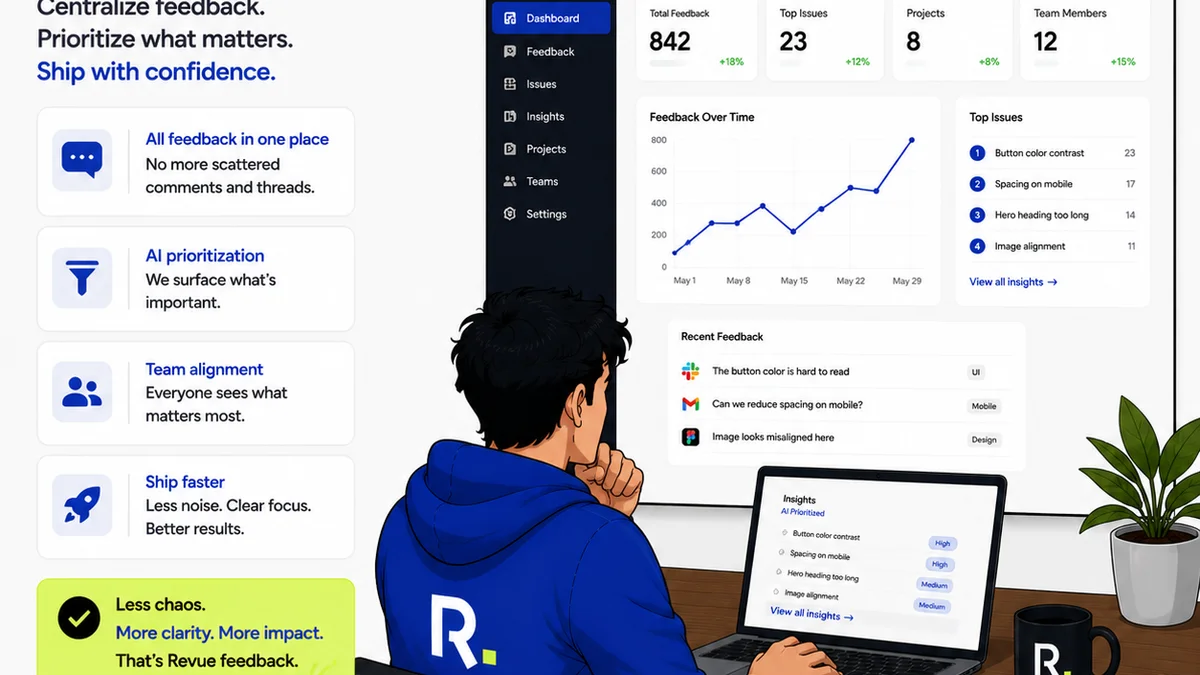
Revue helps centralize the review and approval process for all creative assets. Instead of chasing down feedback via scattered emails or disparate chat threads, your team can have all client input in one place.
- Centralized Feedback: All comments, annotations, and approvals live on the asset itself, within Revue. No more digging through inboxes.
- Revision Visibility: Track every version, every change, and who approved what. This creates an audit trail and ensures accountability.
- Quality Checks: Ensure all client-facing materials—from onboarding guides to promotional flyers—meet brand standards and client requirements before final sign-off.
By streamlining the creative feedback loop, you reduce errors, speed up delivery, and ensure that the communication collateral supporting your core services is polished and accurate.
Final Thought
The customer journey in telecom is not a marketing campaign. It’s an operational reality. Are you building your strategy on a foundation of reliable service and clear communication, or are you just decorating the facade?
Frequently asked questions
What is the most common mistake telecom companies make with their customer journey?
The most common mistake is focusing too much on digital touchpoints and marketing personalization while neglecting the underlying operational realities like network reliability, billing accuracy, and human support responsiveness. A poor operational experience undermines any journey mapping effort.
How important is human interaction in the telecom customer journey?
Human interaction remains critically important, especially during complex issues like billing disputes, service outages, or plan changes. While digital channels are essential for efficiency, the ability to connect with a knowledgeable human provides reassurance and is often the defining moment of truth for customer satisfaction.
What does 'operational excellence' mean for a telecom customer journey?
Operational excellence in telecom means ensuring the core services—network stability, accurate billing, timely installations, and effective support—are delivered consistently and reliably. It's the foundation upon which a positive customer experience is built.
How can telecom companies improve proactive communication?
Proactive communication involves anticipating customer needs and potential issues. This includes notifying customers about planned maintenance, sending usage alerts, updating them on network upgrades, and providing clear information about contract renewals well in advance.