You think your design agency gets retail marketing. You brief them, they deliver, you approve. Simple, right? None of that is wrong. But it’s incomplete.
The hard truth is that without a shared operational framework, even the best creative partnerships stumble. Misunderstandings about deliverables, feedback loops, and brand consistency cost time and money. Especially in fast-paced retail.
1. The Brand Foundation: Beyond the Logo
Most marketing teams hand over a style guide. That’s the bare minimum. A true retail marketing checklist needs to go deeper.
Understanding the Retail Landscape
Your agency needs to grasp the nuances of your specific retail environment. This isn't just about B2C; it's about the *point of sale*.
- Store format (big box, boutique, pop-up)
- Customer journey within the store
- Key touchpoints for design (window displays, aisle signage, POS materials, digital screens)
- Competitive visual merchandising
Brand Equity in Physical Spaces
How does your brand translate from a website banner to a 10-foot display? This requires more than just resizing assets.
- Materiality: What finishes and textures align with your brand?
- Scale: How does the brand feel at human scale versus digital?
- Durability: Retail environments are tough. Materials need to last.
- Lighting: How will the design interact with store lighting?
2. Deliverables and Specifications: The Devil's in the Details
Vague requests lead to vague results. Retail marketing demands precision, from file types to finishing. This is where many marketing teams fall short.
Asset Management and Version Control
Agencies need clear, organized access to all approved assets. Not just the latest logo, but every variation and application.
- Consistent naming conventions
- Clear folder structures
- Defined asset libraries
Technical Specs for Production
This is non-negotiable for retail. An agency can't guess CMYK values or bleed requirements.
- Exact dimensions for all print and digital assets
- Color profiles (e.g., Pantone, CMYK, RGB)
- File formats required by printers and digital display manufacturers
- Bleed, trim, and safe zones
- Resolution requirements (DPI)
- Font embedding instructions
Cross-Channel Consistency
Your in-store signage needs to look like it belongs to the same campaign as your social media ads. This requires a unified brief.
- Define the core campaign message and visual theme
- Specify how the theme adapts across different media (print, digital, social, OOH)
- Provide examples of successful cross-channel execution
3. Feedback and Approval Workflows: Streamlining the Process
The feedback loop is often the biggest bottleneck. Retail campaigns move fast; there’s no time for endless email chains.
Structured Feedback Rounds
Establish clear rules of engagement for feedback. Who provides it? When? What format?
- Designated point(s) of contact for feedback
- Defined feedback deadlines for each round
- Consolidated feedback (one person collates, one person provides)
- Clear criteria for approval (e.g., adherence to brief, brand guidelines)
Visual Annotation and Context
Saying “make this pop more” is useless. Visual feedback tools are essential for clarity.
- Use tools that allow direct annotation on designs
- Provide specific, actionable comments (e.g., “Increase contrast on CTA by 15%”)
- Explain the *why* behind feedback when necessary
Milestones and Approvals
Break down large projects into manageable milestones. Each needs a clear sign-off.
- Concept approval
- Layout/design direction approval
- Pre-production/final art approval
- Post-production sign-off (if applicable)
4. Quality Assurance: The Final Check
This is the last line of defense before assets go live. Marketing teams often skip this, assuming the agency has it covered. They might, but a double-check is crucial for retail.
Brand Guideline Adherence
Did the agency stick to the established visual language? Are colors, fonts, and logo usage correct?
- Logo placement and clear space
- Correct font families and weights
- Accurate color application (Pantone vs. CMYK vs. RGB)
- Consistent tone of voice in copy
Technical Accuracy
This is where print errors happen. Proofread everything.
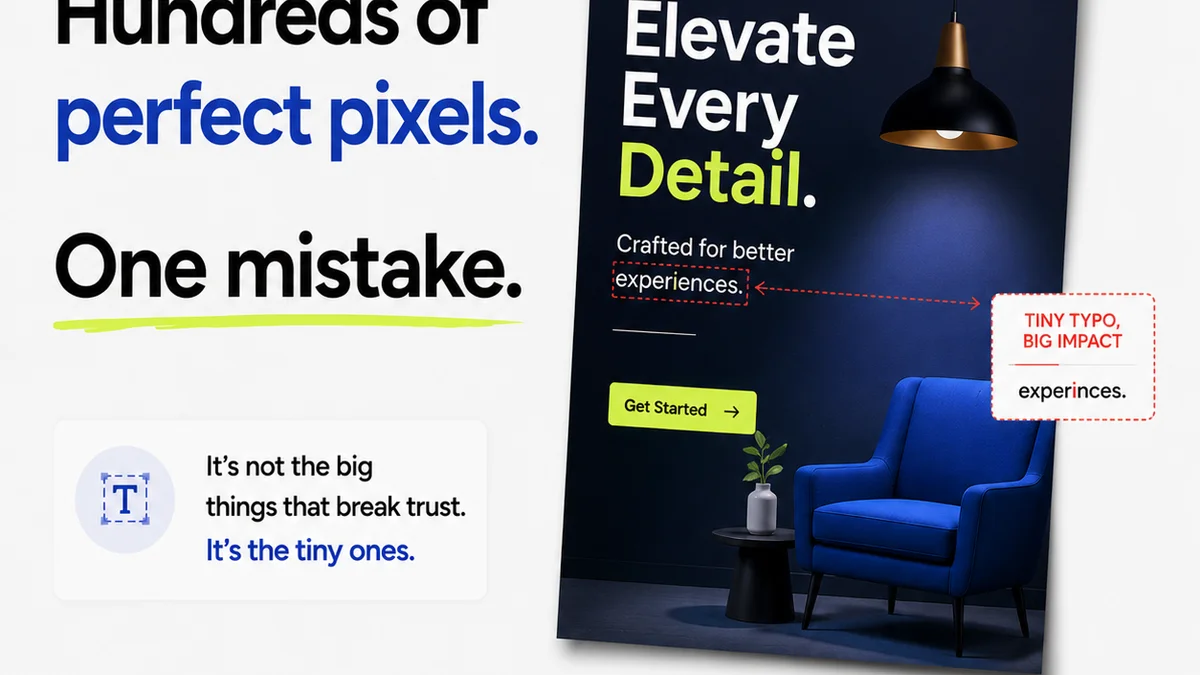
- Verify all copy for typos and grammatical errors
- Double-check all numerical data (prices, dates, dimensions)
- Confirm bleed, trim, and safe areas are correct
- Ensure image resolution is sufficient for the intended print size
Retail-Specific Checks
Consider the context of the final placement.
- Does the design work at the intended viewing distance?
- Is the call to action clear and legible in-store?
- Does it comply with any local store or mall regulations?
Where Revue Fits In
Managing these details across multiple projects and stakeholders can feel like juggling chainsaws. That’s where a centralized platform like Revue becomes invaluable for retail marketing teams.
Revue provides a single source of truth for creative feedback and approvals. Instead of scattered email threads and lost comments, you get a clear, documented history of every revision. This ensures brand consistency and technical accuracy.
You can track project progress, see exactly who is responsible for what, and get notified when feedback is needed or approvals are pending. This visibility cuts through the chaos, ensuring your retail campaigns launch on time and on brand.
Final Thought
Is your marketing team treating your design agency as a vendor, or a strategic partner? The difference lies in the operational rigor you bring to the relationship.
How can you proactively build a more structured, collaborative workflow with your creative partners starting today?
Frequently asked questions
What's the difference between a general design brief and a retail-specific one?
A general brief focuses on brand and campaign goals. A retail-specific brief adds layers about the physical store environment, point-of-sale touchpoints, customer journey within the store, and material considerations for durability and impact.
Why is version control so critical for retail marketing assets?
Retail often involves multiple vendors (printers, display manufacturers) and numerous in-store placements. Without strict version control, outdated or incorrect assets can be produced, leading to costly errors, brand inconsistencies, and wasted materials.
How can a checklist improve feedback quality?
A checklist ensures feedback is structured, specific, and actionable. Instead of vague comments, it prompts reviewers to consider brand adherence, technical specs, and strategic goals, leading to clearer communication and faster approvals.
What are the key quality assurance steps unique to retail design?
Beyond standard checks for typos and brand consistency, retail QA involves verifying legibility at intended viewing distances, ensuring calls to action are prominent in a busy store environment, and checking compliance with any local retail space regulations.