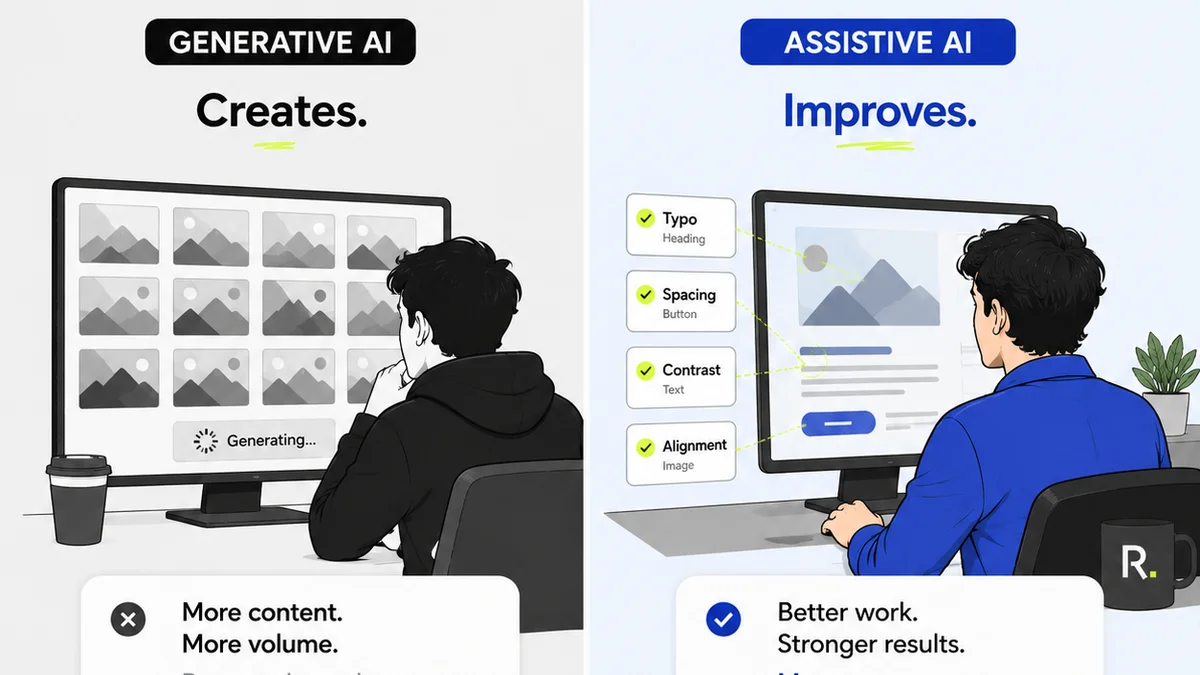
Everyone agrees that design error checking is important. You spot typos, misaligned elements, and off-brand colors. That’s the obvious stuff.
None of that is wrong. But it’s incomplete.
The hard truth? Effective design error checking isn’t just about catching mistakes. It’s a fundamental operational discipline that safeguards project scope, client relationships, and your team’s sanity. It’s the difference between a smooth, profitable project and a chaotic, margin-slashing disaster.
1. The Illusion of 'Good Enough' Proofing
Many teams operate under the assumption that a quick once-over by the designer or a junior team member is sufficient. They think a final review by the project manager or client is the ultimate safety net.
This is a dangerous gamble.
Reliance on ad-hoc checks and the client as the final quality gatekeeper leads to:
- Missed errors that slip through to final delivery.
- Scope creep disguised as 'minor tweaks' post-approval.
- Client frustration when issues are found late in the game.
- Damaged team morale due to rushed fixes and blame games.
- Wasted time and resources on rework that should have been caught earlier.
The real goal of design error checking is proactive prevention, not reactive damage control.
2. Building a Systematic Quality Assurance Framework
A robust design QA process moves beyond subjective
Frequently asked questions
What's the difference between design proofing and design QA?
Proofing often focuses on surface-level errors like typos and alignment. Design QA is a more comprehensive process, encompassing functionality, adherence to brand guidelines, technical specifications, and strategic objectives, all within a structured framework.
How can a small agency implement design error checking effectively?
Start with a simple checklist tailored to your common project types. Assign specific QA responsibilities to team members other than the original creator. Use tools that centralize feedback and version control to track changes and approvals.
What are the most common design errors to check for?
Common errors include typographical mistakes, grammatical errors, inconsistent spacing and alignment, incorrect color usage (especially brand colors), low-resolution images, broken links, accessibility issues, and deviations from the approved brief or wireframes.
How does design error checking impact project profitability?
By catching errors early, you prevent costly rework, reduce time spent on revisions, minimize scope creep, and avoid client dissatisfaction that can lead to lost business or difficult payment negotiations. This streamlines the workflow and protects margins.