Everyone thinks they have a good design feedback process. They send files, they get comments, they make changes. It seems simple.
None of that is wrong. But it’s incomplete.
The hard truth? Most design feedback processes are chaotic, inefficient, and actively harm creative output. They are collections of ad-hoc tactics, not strategic systems. The real challenge isn't getting feedback; it's getting *actionable* feedback, managing it effectively, and ensuring it leads to better final work, not just endless revisions.
1. Defining What "Good" Feedback Looks Like
What makes feedback “good”? It's not just about preference. Good feedback is specific, actionable, and aligned with project goals.
Think about the last time you received vague feedback like “I don’t like it” or “Make it pop more.” Frustrating, right?
The Symptoms of Bad Feedback
- Vague or subjective comments.
- Conflicting feedback from different stakeholders.
- Feedback that ignores project objectives or brand guidelines.
- Lack of clear ownership for feedback decisions.
- Feedback that arrives too late in the process.
These aren't minor annoyances; they're indicators of a broken system. They lead to wasted time, misinterpretations, and ultimately, weaker creative solutions.
Establishing Clear Criteria
Before any design work even begins, define what success looks like. This means:
- Clearly documented project goals and KPIs.
- Defined target audience and user needs.
- Established brand guidelines and style guides.
- Agreed-upon scope of work and deliverables.
This upfront clarity acts as a filter for all subsequent feedback. If a comment doesn't align with these criteria, it's easier to question or redirect.
2. The Structure of a Productive Feedback Loop
A feedback loop isn't just a sequence of events; it's a structured conversation. Without structure, it devolves into noise.
The goal is to create a predictable, organized flow for collecting, reviewing, and acting on feedback.
Pre-Design Kickoff & Briefing
This is your first line of defense. A comprehensive creative brief, signed off by all key stakeholders, sets the stage. It should cover:
- Project objectives.
- Target audience.
- Key messages.
- Mandatories and constraints.
- Deliverables and timelines.
- Success metrics.
A well-defined brief minimizes the need for subjective “gut feel” feedback later.
Scheduled Review Points
Don't leave reviews to chance. Schedule specific times for feedback. This could be:
- Initial concept reviews.
- Mid-fidelity mock-up reviews.
- Pre-production checks.
- Final approval stages.
Communicate these dates well in advance. This sets expectations and prevents ad-hoc, disruptive feedback requests.
Consolidated Feedback Collection
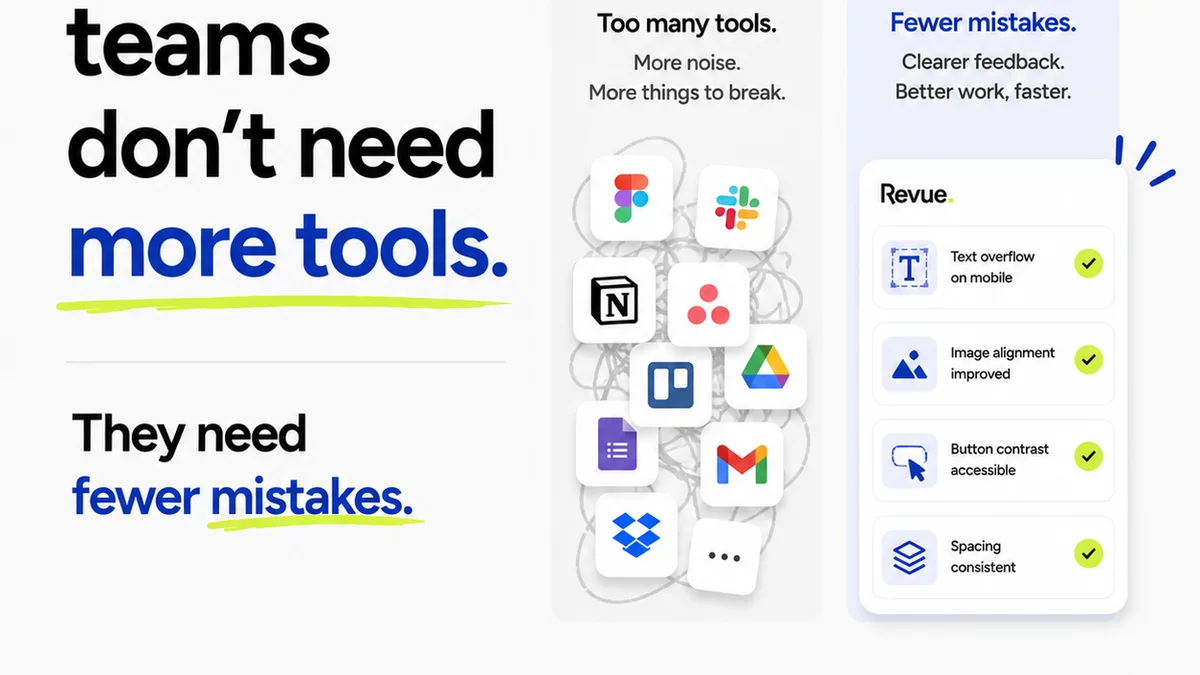
The biggest killer of efficiency is scattered feedback. Comments lost in emails, Slack messages, or random documents create confusion and missed revisions.
- Designate a single source of truth for feedback.
- Utilize tools that allow for contextual comments directly on the design.
- Establish a clear process for how feedback is submitted (e.g., via a specific platform, a structured form).
Consolidation prevents the “he said, she said” problem and ensures all input is accounted for.
Feedback Triage and Synthesis
Not all feedback is created equal. Someone needs to act as the gatekeeper or synthesizer.
This role—often the creative director or project manager—is crucial. They must:
- Review all submitted feedback for clarity and relevance.
- Identify conflicting comments and seek clarification.
- Prioritize feedback based on project goals and impact.
- Synthesize feedback into clear, actionable tasks for the design team.
This prevents designers from being overwhelmed by a barrage of potentially contradictory requests.
Actioning and Revision
Once feedback is synthesized, it needs to be clearly assigned and tracked.
Designers should understand exactly what changes are required, why, and by when. Visibility into this process is key for everyone involved.
Final Approval & Sign-off
This is the culmination. A clear, documented sign-off process confirms that the work meets the agreed-upon criteria and feedback has been incorporated.
This prevents scope creep and ensures final accountability.
3. Tools and Technologies for Streamlining Feedback
The right tools can transform a chaotic feedback process into a smooth operation. Relying on email and spreadsheets is a recipe for disaster.
Think about the friction points: version control, tracking comments, ensuring everyone sees the same thing.
Centralized Feedback Platforms
These are designed to solve the core problems of design feedback. They offer:
- Contextual commenting directly on designs, mockups, or prototypes.
- Version history and comparison.
- User roles and permissions.
- Streamlined workflows for review and approval.
The goal is to move feedback out of inboxes and into a dedicated, organized system.
Project Management Integration
Your feedback tool shouldn't exist in a vacuum. It needs to integrate with your broader project management system.
This ensures that feedback tasks are visible alongside other project activities, improving overall project visibility and resource allocation.
Version Control and Audit Trails
Knowing which version of a design is being reviewed is critical. Good systems provide clear versioning and an audit trail of all feedback and revisions.
This is invaluable for accountability and for understanding the evolution of the design.
Where Revue Fits In
Managing creative feedback effectively is a core challenge for agencies and in-house teams. The constant back-and-forth, the risk of misinterpretation, and the sheer volume of input can derail even the best projects.
Revue is built to address these pain points directly. It provides a centralized hub where all client feedback, stakeholder comments, and revision history live in one place.
Imagine this: instead of sifting through endless email chains or Slack messages, you have a clear, visual record of every comment, every decision, and every approval directly linked to the creative asset itself. This means:
- Centralized Feedback: All input is gathered in one place, eliminating the chaos of scattered communication.
- Revision Visibility: Track the evolution of designs and understand the history of changes, making it easier to manage revisions and avoid scope creep.
- Quality Checks: With clear approval workflows and an audit trail, you can ensure that feedback is properly addressed and that the final output meets all requirements before delivery.
By streamlining these critical aspects of the design process, Revue helps you move faster, reduce errors, and deliver better creative work with less friction.
4. Building a Culture of Constructive Criticism
The best feedback processes aren't just about tools and checklists; they're about people and how they communicate.
A healthy creative environment encourages honest, constructive feedback, not just polite nods.
Training Stakeholders
Often, clients or internal stakeholders don't know *how* to give good feedback. It's not their job.
Your role is to guide them. This might involve:
- Educating them on the difference between subjective preference and objective critique.
- Explaining the project's strategic goals and constraints.
- Providing them with templates or structured questions to guide their input.
Think of it as a mini-brief for their feedback.
Fostering Psychological Safety
Team members and clients need to feel safe offering critical input without fear of reprisal. This requires:
- Leading by example: Be open to receiving feedback yourself.
- Creating a non-judgmental atmosphere during review sessions.
- Focusing on the work, not the person.
- Clearly separating feedback on the design from feedback on the designer.
When people feel safe, they're more likely to offer the insights that can truly elevate the work.
The Art of Receiving Feedback
As designers and project managers, how you receive feedback is as important as how it's given.
- Listen actively and empathetically.
- Ask clarifying questions.
- Avoid defensiveness.
- Thank the person for their input, even if you don't agree.
A positive reception encourages more thoughtful feedback in the future.
5. The Design Feedback Process Checklist: Putting It All Together
Here’s a distilled checklist to help you implement a robust design feedback process.
Pre-Project Phase
- [ ] Define clear, measurable project goals.
- [ ] Develop a comprehensive creative brief.
- [ ] Identify all key stakeholders and their roles.
- [ ] Establish brand guidelines and project constraints.
- [ ] Agree on the feedback and approval process, including tools and timelines.
During the Project Phase
- [ ] Schedule and communicate all review points in advance.
- [ ] Use a centralized platform for all feedback submission and tracking.
- [ ] Ensure feedback is contextual and specific.
- [ ] Designate a role for feedback synthesis and triage.
- [ ] Prioritize feedback based on project objectives.
- [ ] Translate feedback into clear, actionable tasks.
- [ ] Maintain clear version control for all design assets.
Post-Project Phase (and Ongoing)
- [ ] Conduct a formal sign-off and approval.
- [ ] Document the final approved version.
- [ ] Review the feedback process itself for lessons learned.
- [ ] Continuously educate stakeholders on effective feedback.
Final Thought
A design feedback process isn't just a set of steps; it's a strategic advantage. It separates teams that merely react to input from those that proactively shape exceptional outcomes.
Are you managing feedback, or is feedback managing you?
Frequently asked questions
What is the most common mistake in design feedback?
The most common mistake is providing vague or subjective feedback. Comments like 'make it pop' or 'I don't like it' lack actionable direction, leading to confusion and wasted revisions. Effective feedback is specific, objective, and tied to project goals.
How can I ensure feedback is actionable?
Actionable feedback is specific, measurable, achievable, relevant, and time-bound (SMART). It should clearly state what needs to change, why it needs to change, and how it relates to the project's objectives. Training stakeholders on how to provide this type of feedback is key.
What is the role of a centralized platform in design feedback?
A centralized platform, like Revue, consolidates all feedback in one place, often attached directly to the creative asset. This eliminates scattered communication across emails and chat apps, provides version control, and creates a clear audit trail, making the entire feedback and revision process more efficient and transparent.
How do I manage conflicting feedback from multiple stakeholders?
The best approach is to have a designated feedback synthesizer (e.g., a creative director or project manager). This person should review all feedback, identify conflicts, seek clarification from stakeholders, and prioritize revisions based on the project's strategic goals before assigning tasks to the design team.