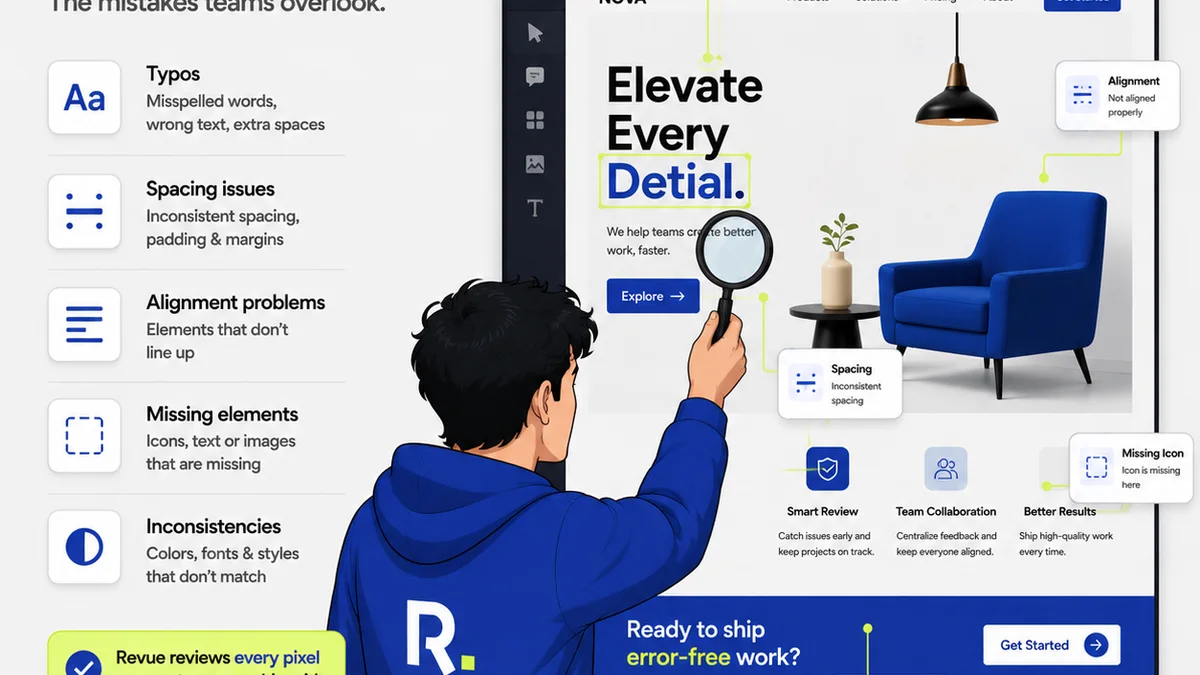
Everyone thinks they know what good design feedback software looks like. It’s got to be slick, intuitive, and maybe even a little bit flashy. It’s the shiny new tool that promises to solve all your client communication woes.
None of that is wrong. But it’s incomplete.
The real truth? The best design feedback software isn’t about the bells and whistles. It’s about ruthless efficiency. It’s about cutting through the noise and getting to clear, actionable feedback. It’s about making sure revisions don’t derail your entire project timeline. It’s about visibility. It’s about accountability. It’s about the operational backbone that supports creative work, not just the interface.
1. Centralized Feedback: The Single Source of Truth
Scattered feedback is a project killer. Emails, Slack messages, random Word docs, scribbled notes from a call – it’s chaos. Every team lead knows the pain of hunting down that one crucial comment lost in a sea of digital chatter.
Your design feedback software must be the central hub. All comments, revisions, and approvals live in one place. Period.
Why This Matters Operationally
Think about it:
- Reduces Misinterpretation: When feedback is consolidated, there's less room for
Frequently asked questions
What is the most important feature of design feedback software?
Centralized feedback is paramount. It ensures all comments and revisions are in one place, reducing misinterpretation and saving time spent searching through scattered communications.
How can design feedback software improve client relationships?
By providing a clear, organized system for feedback and approvals, clients feel more in control and understand the revision process better. This transparency builds trust and reduces frustration.
Is design feedback software only for large agencies?
No. Any agency, regardless of size, can benefit from streamlined feedback and revision management. Smaller teams often see even greater efficiency gains.
What is the difference between feedback and approval features?
Feedback is about suggestions and comments on the creative work. Approvals are the formal sign-off that the work meets the brief and is ready to move to the next stage. Good software tracks both distinctly.