Everyone talks about having a great design process. It’s the secret sauce, the differentiator, the reason why some agencies consistently nail client work and others stumble. You see it everywhere: diagrams, flowcharts, endless blog posts detailing phases like Discovery, Ideation, Prototyping, Testing, and Launch. None of that is wrong. But it’s incomplete.
The hard truth? A documented design process is only as good as its execution. The real magic isn't in the steps themselves, but in the disciplined, consistent, and often messy reality of making them happen day-to-day, project-to-project, client-to-client. It’s about operationalizing creativity, not just mapping it.
1. The Myth of the Universal Process
Many agencies chase a Platonic ideal of a design process. They’ll spend weeks crafting the ultimate flowchart, only to see it ignored the moment a “hot” project lands or a client demands a shortcut. This pursuit of a single, perfect system is a trap.
Your process needs to be adaptable, not rigid. It’s a framework, not a cage.
The Reality: Context is King
Every project is different. Every client has unique needs, communication styles, and levels of technical understanding. A process that works for a small startup’s landing page will likely break under the weight of an enterprise-level SaaS redesign.
Your team needs to be trained to identify these variables early and adjust the process accordingly. This isn't about deviating from the plan; it's about intelligently applying the right parts of the plan for the specific situation.
- Project scope and complexity
- Client stakeholder availability
- Team skill sets and capacity
- Project timeline and budget
- Regulatory or technical constraints
The Danger of Dogma
Sticking rigidly to a documented process when circumstances change leads to frustration, missed deadlines, and ultimately, subpar work. It signals a lack of critical thinking and an inability to problem-solve in real-time.
Your team should feel empowered to make informed decisions about process adjustments, not afraid to question the established order when it’s not serving the project.
2. Feedback Loops: The Engine of Iteration
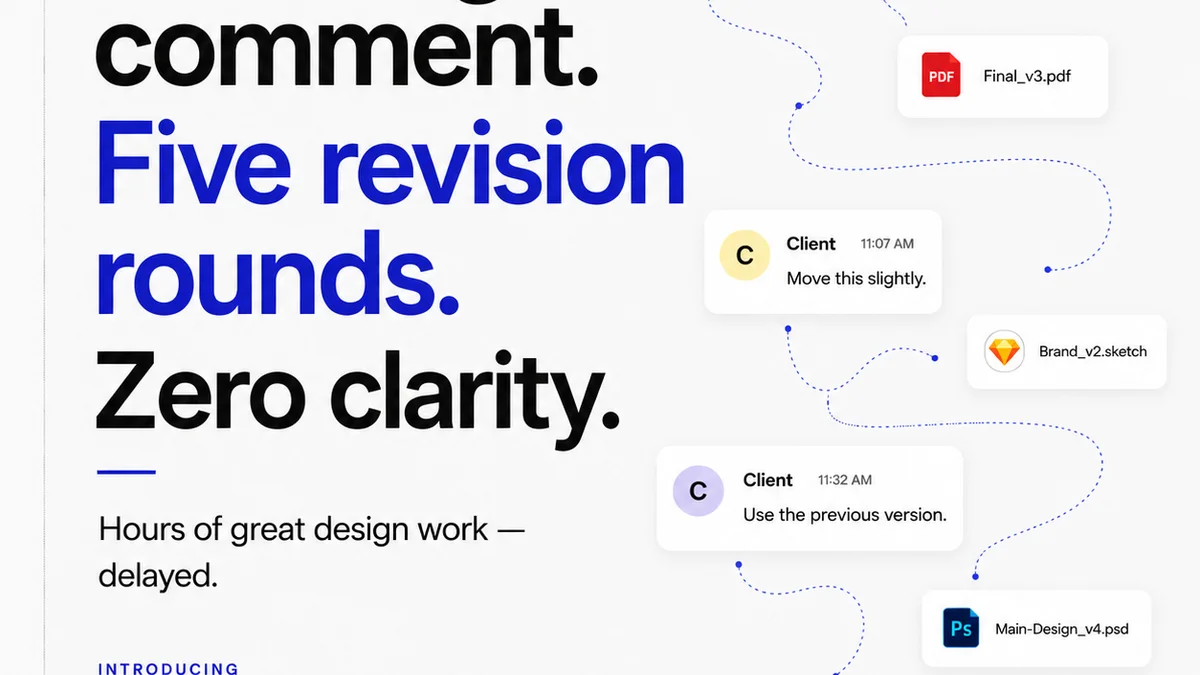
Client feedback is the lifeblood of design. Yet, for many agencies, it’s also the biggest bottleneck. Unstructured feedback, vague comments, and endless revision rounds drain resources and erode team morale.
The goal isn't just to *get* feedback; it’s to get *actionable* feedback, efficiently.
The Problem with Anecdotal Feedback
“I don’t like it.” “Make it pop more.” “It feels off.” These are common, but useless, comments. They offer no insight into *why* something isn’t working or *what* needs to change.
This often stems from a lack of clear criteria or a failure to involve the right stakeholders at the right time. Without a structured way to capture and analyze feedback, you’re flying blind.
Establishing Clear Review Gates
Define specific points in the process where feedback will be collected. Make sure the brief clearly outlines what is being reviewed at each stage. Are you looking at the overall concept? The user flow? The visual polish?
Use templates for feedback requests. This standardizes the information you receive and makes it easier to parse. The goal is clarity and specificity.
- Visual annotations on mockups
- Structured questionnaires
- Scheduled stakeholder review meetings
- User testing reports
Closing the Loop: Communication is Key
Don't just collect feedback; *act* on it and communicate back. Show the client how their input has been incorporated. This builds trust and demonstrates progress.
If you can't implement a piece of feedback, explain why. This transparency is crucial for managing expectations and maintaining a healthy client relationship.
3. Revision Management: Taming the Chaos
Revisions are inevitable. They are a sign that a design is being refined, not a sign of failure. However, uncontrolled revisions can derail even the most well-intentioned project.
The objective is to manage revisions effectively, ensuring they add value without sacrificing scope, budget, or timeline.
The Scope Creep Nightmare
What starts as a small tweak can balloon into a complete redesign if not managed. This is often a symptom of unclear initial briefs or a lack of a formal change order process.
Every revision request should be evaluated against the original scope and budget. If it falls outside, it needs to be treated as a new request with associated costs and timelines.
Tracking Revisions Like a Hawk
Manual tracking via email chains or spreadsheets is a recipe for disaster. Versions get lost, comments are missed, and the wrong iteration might even be approved.
A centralized system for tracking all feedback, discussions, and revisions is non-negotiable. This creates a clear audit trail and prevents confusion.
- Version control for design files
- Centralized annotation and comment threads
- Clear approval status tracking
- Automated notifications for stakeholders
Defining
Frequently asked questions
What is the most common mistake agencies make with their design process?
The most common mistake is treating the documented process as rigid dogma rather than an adaptable framework. Agencies often focus on the 'what' (the steps) instead of the 'how' (consistent, disciplined execution within context).
How can I ensure client feedback is actionable?
Clearly define review gates and what specific aspects are being reviewed at each stage. Use structured feedback templates and request specific details rather than vague opinions. Train clients on how to provide constructive input.
What's the best way to manage revisions without scope creep?
Establish a formal change order process. Evaluate every revision request against the original scope and budget. Use a centralized system to track all feedback, discussions, and approvals, creating a clear audit trail.
Why is adaptability more important than a 'perfect' process?
Because every project and client is unique. A rigid process fails to account for context, leading to inefficiencies and frustration. An adaptable process allows teams to apply the right methodologies to the specific situation, ensuring better outcomes.