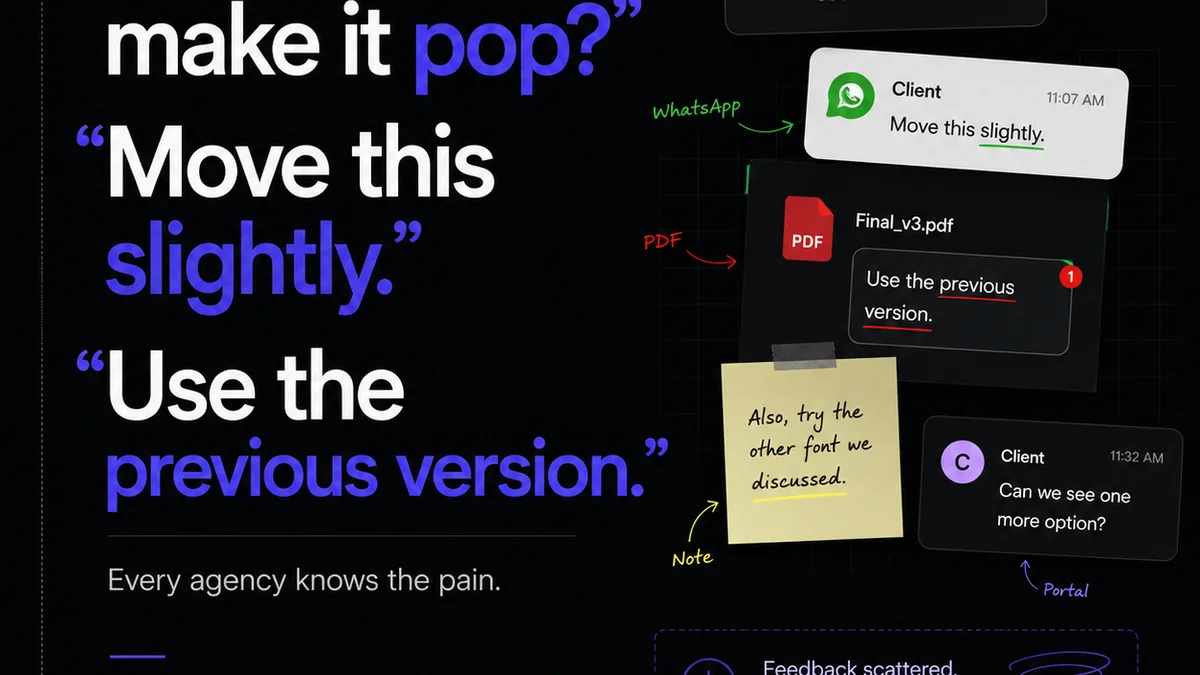
Everyone talks about having a good design process. They’ll mention collaboration, iteration, and client buy-in. None of that is wrong. But it’s incomplete.
The hard truth? A great design process isn’t just about *doing* things right; it’s about *knowing* you’re doing them right, every single time. It’s about structure, clarity, and accountability. For marketing teams, this means a design process checklist that moves beyond vague ideals and into actionable steps.
Why a checklist? Because creativity thrives on constraints. And for marketing, predictable, high-quality creative output is the ultimate goal. Without a clear process, you’re leaving too much to chance, relying on luck or the whims of individual talent rather than consistent execution.
1. Defining the Brief: Clarity is King
This is where most projects go sideways. A fuzzy brief leads to fuzzy outcomes. Think of it as the foundation of your entire design process. If it’s weak, the whole structure is compromised.
The Core Components
A robust creative brief goes beyond a few bullet points. It needs depth and detail. It should answer these fundamental questions:
- What is the primary objective of this creative asset? (e.g., increase sign-ups by X%, drive traffic to Y page, improve brand perception)
- Who is the target audience? (Demographics, psychographics, pain points, motivations)
- What is the core message? (The single most important takeaway)
- What are the key deliverables? (Format, dimensions, specs, quantity)
- What is the call to action? (What should the audience do next?)
- What is the tone and style? (Brand guidelines, mood, voice)
- What are the mandatory elements? (Logos, taglines, legal disclaimers)
- What are the constraints? (Budget, timeline, technical limitations)
Don't just collect these. Document them. Share them. Get sign-off. This isn't a suggestion; it's a requirement for moving forward.
Stakeholder Alignment
Ensure everyone who has a say is on the same page *before* any design work begins. Misalignment here is a guaranteed way to waste time and resources on revisions that were never going to fly.
A simple agreement on the brief itself can prevent endless back-and-forth later.
2. Creative Exploration & Concepting: Strategic Freedom
Once the brief is locked, it’s time to ideate. But this isn't just doodling. It’s informed exploration driven by the brief’s objectives.
Setting the Stage
Before designers start sketching, ensure they understand the landscape. This means:
- Reviewing competitor creative.
- Analyzing successful campaigns in the same space.
- Deep diving into the target audience's preferences.
- Brainstorming around the core message and CTA.
This phase is about generating a range of possibilities, not landing on the final solution immediately.
Presenting Concepts
When presenting concepts, frame them against the brief. Explain *why* each concept works and how it addresses the objectives. Avoid presenting a single
Frequently asked questions
What is the most crucial part of a design process checklist for marketing?
Clearly defining the brief with all objectives, target audience details, and mandatory elements is paramount. A well-defined brief prevents misalignment and costly revisions later in the process.
How can a design process checklist improve team collaboration?
A checklist provides a shared understanding of each step, establishes clear roles and responsibilities, and ensures everyone is working from the same set of requirements and feedback, reducing miscommunication.
Can a design process checklist help with managing client feedback?
Absolutely. By structuring feedback rounds and defining approval stages within your checklist, you create a predictable system for receiving and acting on input, making the process more efficient for both the team and the client.
What are the key stages that should be included in a marketing design process checklist?
Essential stages include: Brief Definition, Creative Exploration & Concepting, Design Development, Feedback & Revisions, Final Approvals, and Asset Handoff/Deployment. Each stage should have clear deliverables and sign-off points.