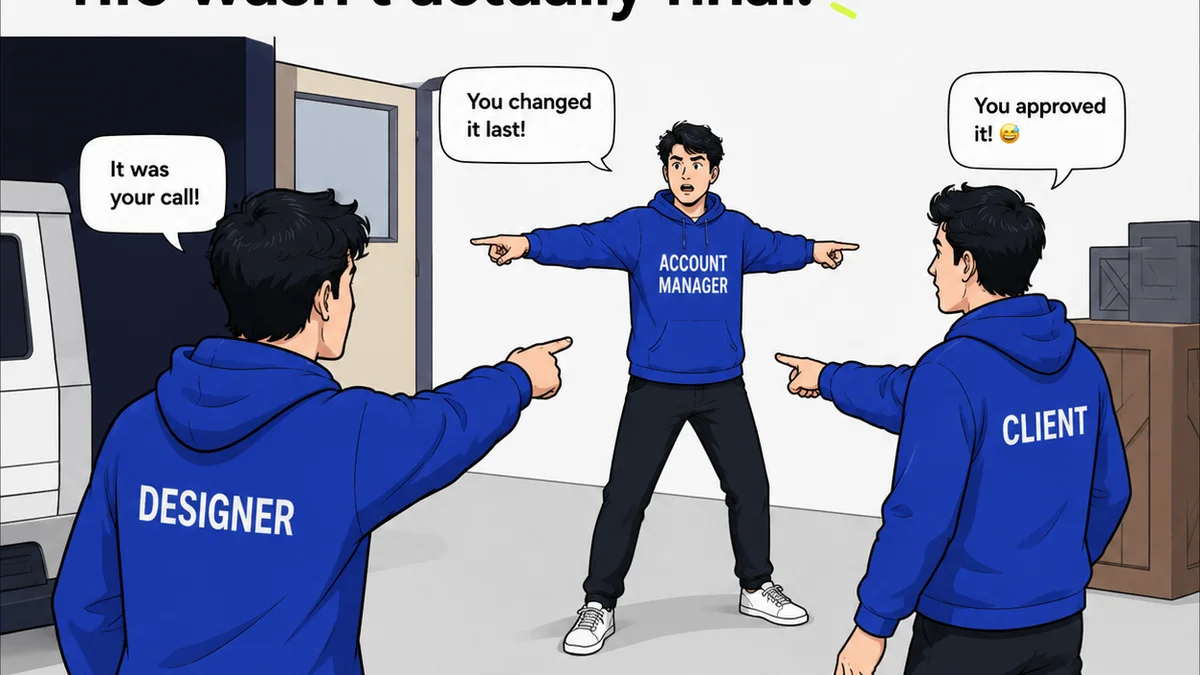
Everyone agrees design quality assurance (QA) is crucial. You’ve probably seen endless checklists, flowcharts, and best-practice guides. They all talk about checking for typos, ensuring brand consistency, and verifying link functionality.
None of that is wrong. But it’s incomplete.
The real hard truth about design QA is that it’s not a final inspection; it’s an embedded process. It’s about building quality into every step, not just checking for it at the end.
1. The Myth of the Final Review
The most common mistake is treating QA as a gatekeeper at the very end of a project. The design is done, the copy is in, and then—then—someone does a QA pass.
This creates a bottleneck. It introduces last-minute stress and often leads to rushed fixes that introduce new problems.
It also means you’re relying on one person’s eyeballs to catch everything. That’s a lot of pressure and a high chance of error.
The Cost of Reactive QA
- Missed errors surface late, delaying launch.
- Client frustration with last-minute changes.
- Team burnout from constant fire-fighting.
- Erosion of trust in the creative process.
- Wasted resources on rework.
This reactive approach is fundamentally flawed. It’s like inspecting a car after it’s left the factory floor. You’re hoping to catch defects, but the real issues are baked into the manufacturing process itself.
2. Shifting Left: Proactive Quality from the Start
True design QA starts the moment a project kicks off. It’s about establishing clear expectations and building quality checks into the workflow, not tacking them on.
This is often called “shifting left” in software development—moving quality considerations earlier in the lifecycle.
For design, this means integrating QA thinking into:
Briefing and Planning
Are the project goals clear? Are the success metrics defined? A vague brief guarantees a quality problem down the line. Ensure all stakeholders understand what
Frequently asked questions
What is the difference between QA and QC in design?
Quality Control (QC) typically refers to inspecting the output to identify defects. Quality Assurance (QA) is a broader set of activities designed to prevent defects from occurring in the first place by improving the processes used to create the work. In design, this means building checks and standards into the workflow, not just reviewing the final product.
How can I make design QA more efficient?
Efficiency comes from proactive measures. Standardize your review process, use templates for feedback, automate repetitive checks where possible, and ensure clear communication channels. Most importantly, integrate QA throughout the process, not just at the end, to catch issues early when they are cheapest and easiest to fix.
What are the essential elements of a design QA checklist?
While checklists are only part of the solution, essentials include: functional checks (links, forms, interactions), content accuracy (typos, grammar, factual correctness), brand consistency (logos, colors, typography), accessibility compliance (WCAG guidelines), responsiveness across devices/browsers, and adherence to project scope and brief. However, these should be verified *during* creation, not just at the end.
How does client feedback impact design QA?
Client feedback is a critical input. Establishing a clear feedback loop and process ensures that client input is captured accurately and addressed systematically. Centralizing feedback prevents miscommunication and ensures that all requested changes are accounted for and reviewed, contributing to the overall quality of the final deliverable.