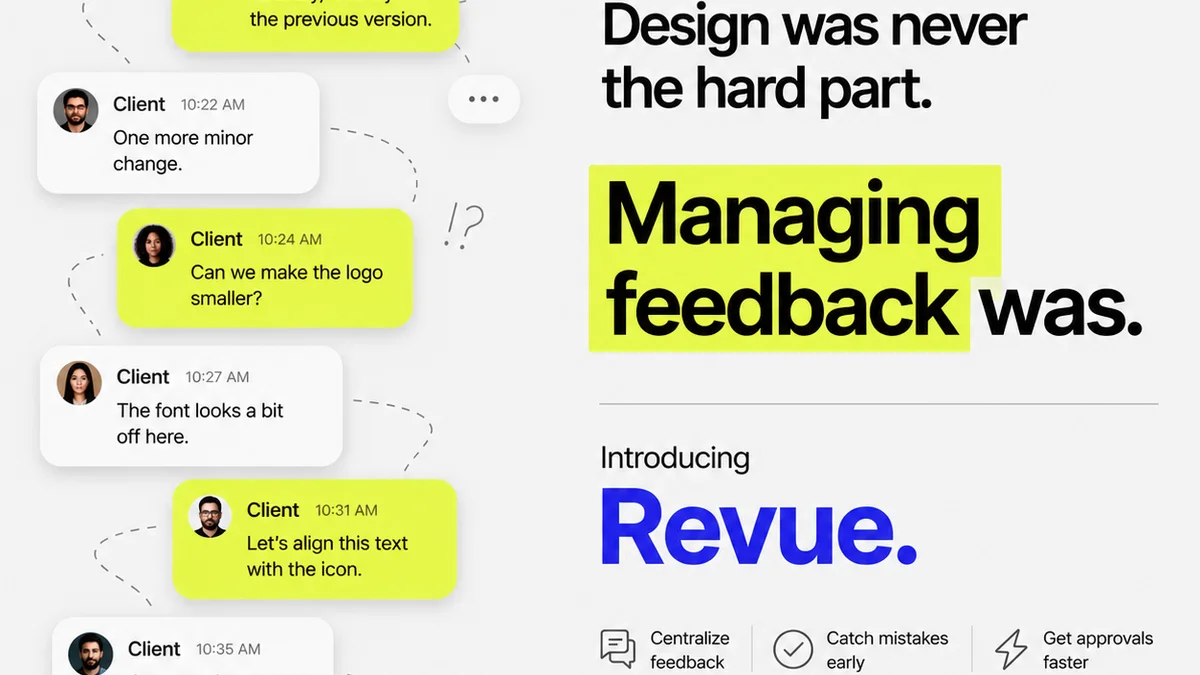
Everyone thinks design Quality Assurance (QA) is just about catching typos and misaligned buttons. None of that is wrong. But it’s incomplete.
The hard truth is that true design QA is about safeguarding the entire client relationship and your agency's reputation, not just pixel perfection.
1. What Design QA Really Means (Beyond the Obvious)
Design QA is the systematic process of reviewing creative work to ensure it meets all defined requirements, brand guidelines, technical specifications, and strategic objectives before it reaches the client or goes live.
It’s not an afterthought. It’s integral to the creative process.
Think of it as the final gatekeeper, not the janitor sweeping up messes.
The Core Pillars of Design QA
- Functionality: Does it work as intended across all intended platforms and devices?
- Usability: Is it intuitive and easy for the target audience to navigate and understand?
- Brand Consistency: Does it adhere to established brand guidelines (logos, colors, typography, tone)?
- Technical Compliance: Does it meet the technical requirements for development, accessibility, and performance?
- Strategic Alignment: Does it effectively communicate the intended message and achieve the project's goals?
2. The High Cost of Skipping or Skimping on QA
You’re under pressure. Deadlines loom. You’re tempted to cut corners on the review process. Don't.
The cost of fixing errors post-launch or after client sign-off dwarfs the investment in proper QA.
What looks like a time-saver now becomes a reputation-killer later.
Common Pitfalls and Their Consequences
- Client Rejection/Rework: The most obvious. A glaring error leads to a client questioning your attention to detail, demanding extensive rework, and potentially delaying payment.
- Damaged Brand Reputation: Repeated mistakes erode client trust. Word gets around. Your agency becomes known for sloppy work, not stellar creative.
- Development Headaches: Developers receive flawed assets. They spend hours trying to interpret or fix them, leading to frustration, increased development costs, and project delays.
- Poor User Experience (UX): Functional bugs, accessibility issues, or confusing interfaces frustrate end-users, undermining the very purpose of the design and reflecting poorly on your agency.
- Missed Strategic Goals: If the design doesn't align with the brief or brand, it fails to achieve its business objectives, making the entire project a costly exercise in futility.
3. Building a Robust Design QA Process
A structured approach is key. Don't rely on ad-hoc
Frequently asked questions
What are the main benefits of implementing a design QA process?
Implementing design QA ensures higher quality deliverables, reduces costly rework, improves client satisfaction and trust, streamlines the development process, and protects your agency's reputation.
Who should be responsible for design QA in an agency?
Design QA should be a shared responsibility. While designers conduct initial self-checks, a dedicated QA specialist, project manager, or a senior team member should perform the formal review. Clear roles prevent oversight.
How often should design QA be performed?
Design QA should be performed at multiple stages: after initial design completion, after revisions, before client handover, and ideally, before final development handoff. It's an ongoing process, not a one-time check.
What tools can help with design QA?
Tools like Revue for centralized feedback and approvals, Figma or Adobe XD for design collaboration and inspection, and accessibility checkers (e.g., WAVE, Lighthouse) can significantly aid the QA process.