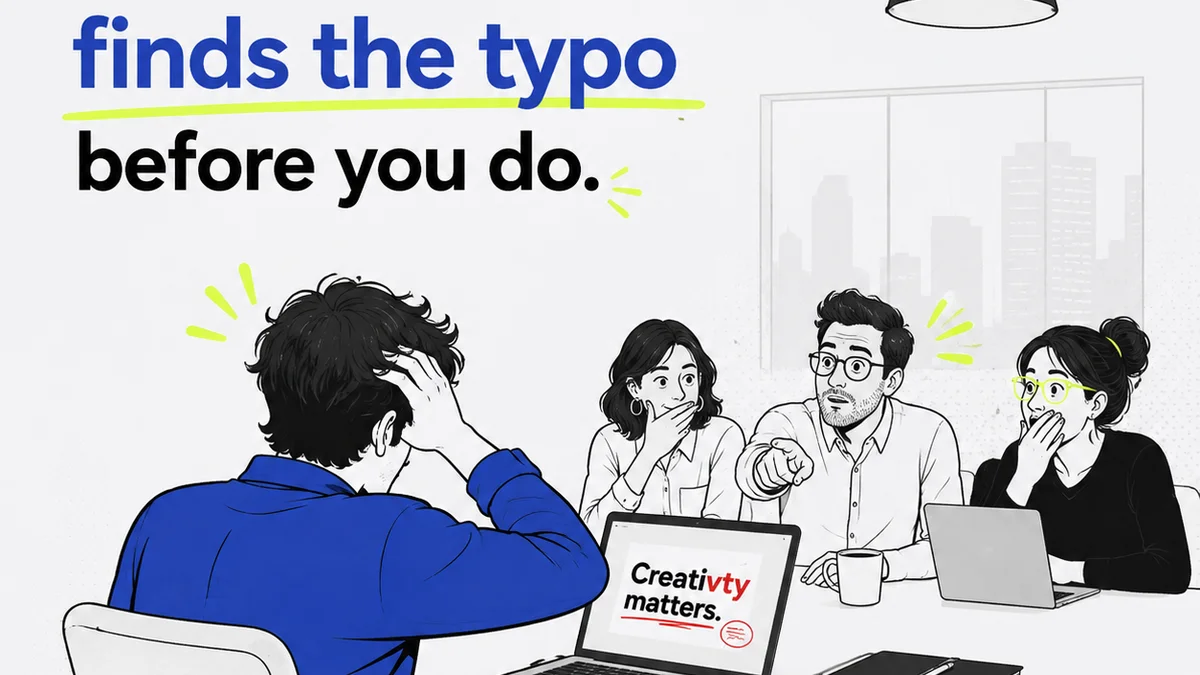
Everyone knows design QA is important. You've probably heard it's about catching typos, checking pixel perfection, and ensuring brand guidelines are met. None of that is wrong. But it’s incomplete.
The hard truth? Treating design QA as a mere final step is a relic of a bygone era. It’s a bottleneck. It’s a source of client frustration. And it’s actively hurting your agency’s ability to deliver great work, fast.
Modern creative teams need a fundamentally different approach to quality assurance. One that's integrated, proactive, and built for speed.
1. The Myth of the Final QA Pass
The traditional model of design QA is simple: the creative team finishes the work, then a dedicated QA person (or a stressed-out project manager) runs through a checklist before it goes to the client. Sound familiar?
This linear process is broken for several reasons:
- It assumes perfection on the first try.
- It creates a bottleneck at the end of the project.
- It places the burden of quality solely on one person, often with limited creative context.
- It delays feedback, leading to longer revision cycles.
- It fosters a culture where quality is an afterthought, not a core value.
This isn't just inefficient; it's actively damaging. Clients expect iterative, agile processes. They expect you to be faster and more responsive than ever before.
Anything less feels outdated.
The Real Cost of Late-Stage QA
When QA happens only at the end, any issues found are expensive. They require rework, push back deadlines, and can erode client trust. Imagine finding a major branding misstep hours before a client presentation. The scramble that follows is rarely pretty, and it never inspires confidence.
2. Embracing Continuous QA
The shift needed is from a final gate to continuous quality assurance. This means integrating checks and balances throughout the entire creative process, not just at the end.
Think of it like building a house. You don't just inspect the finished structure. You check the foundation, the framing, the plumbing, the electrical – at every stage.
Integrating QA into the Workflow
How do you do this in a creative context? It starts with mindset, then tools.
Early and Frequent Feedback Loops:
- Internal Critiques: Make regular, structured internal reviews a non-negotiable part of the process. This isn't just about aesthetics; it's about strategic alignment.
- Client Check-ins: Schedule brief, focused client check-ins at key milestones. Not for final approval, but for directional alignment. This prevents major divergences later.
- Component-Level QA: For complex projects (like websites or apps), QA individual components or sections as they are completed, rather than waiting for the entire build.
This proactive approach catches issues when they are small and easy to fix. It prevents the dreaded
Frequently asked questions
What is design QA?
Design QA (Quality Assurance) is the process of reviewing creative work to identify and correct errors before it's delivered to the client or published. For modern teams, it extends beyond simple error checking to encompass strategic alignment, brand consistency, and user experience.
Why is traditional, end-of-project QA insufficient?
Traditional QA often acts as a bottleneck, delays feedback, and makes corrections costly. It treats quality as an afterthought rather than an integrated part of the creative process, leading to inefficiencies and potential client dissatisfaction.
How can creative teams implement continuous QA?
Continuous QA involves integrating quality checks throughout the workflow. This includes regular internal critiques, frequent client check-ins at key milestones, and component-level reviews, rather than relying solely on a final review pass.
What are the benefits of a continuous QA approach?
Benefits include catching errors early when they are easier and cheaper to fix, reducing bottlenecks, shortening revision cycles, improving client communication and trust, and ultimately delivering higher quality work more consistently.