Everyone talks about design quality. You’ve probably heard it a million times: “We have a rigorous QA process.”
None of that is wrong. But it’s incomplete.
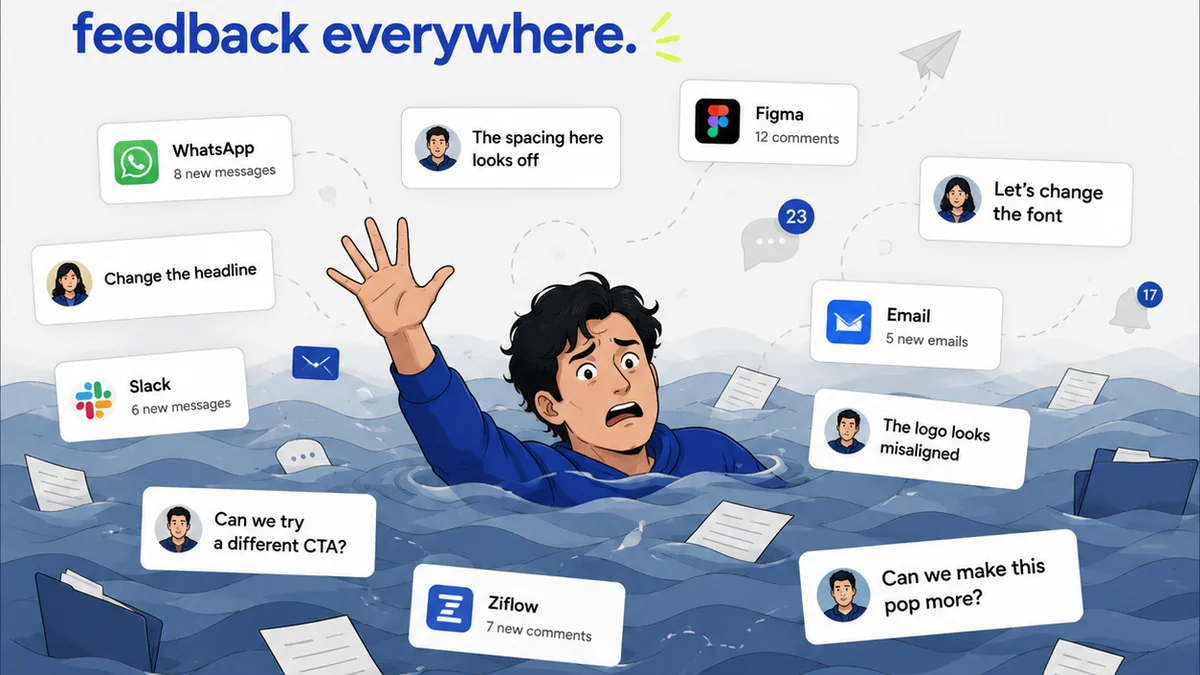
The hard truth is that most agencies’ “QA processes” are ad hoc, reactive, and frankly, a mess. They’re a patchwork of individual checks, missed deadlines, and last-minute panic. This isn't quality assurance; it's quality roulette.
A true design Quality Assurance (QA) process is proactive, systematic, and integrated. It’s not just about catching typos before launch. It’s about ensuring every piece of creative work aligns with client goals, brand standards, and technical requirements, every single time. It’s about preventing problems before they ever see the light of day.
Let’s break down how to build a design QA framework that doesn’t just catch errors, but actively improves your output and protects your agency.
1. Define
Frequently asked questions
What is the primary goal of a design QA process?
The primary goal of a design QA process is to systematically identify and rectify defects or inconsistencies in creative work before it is delivered to the client or goes live. This ensures the final output meets quality standards, client expectations, brand guidelines, and technical specifications, ultimately preventing costly errors and enhancing client satisfaction.
Who should be involved in the design QA process?
Ideally, a design QA process involves multiple roles. This typically includes the designer who created the work, a project manager or account manager for client-aligned checks, a senior designer or creative lead for aesthetic and brand consistency, and potentially a developer or QA specialist for technical implementation checks. The key is to have fresh eyes and diverse perspectives review the work.
How can technology help streamline design QA?
Technology can significantly streamline design QA by centralizing feedback, automating version control, and providing clear audit trails. Tools for project management, client feedback and approval, and even specialized QA software can help track issues, manage revisions, and ensure all stakeholders are on the same page, reducing manual effort and miscommunication.
What are common mistakes agencies make in their QA process?
Common mistakes include making QA an afterthought, relying on a single person's review, not having clear checklists, failing to check across multiple devices/browsers, and not documenting feedback properly. This often leads to missed errors, inconsistent quality, and last-minute rushes.