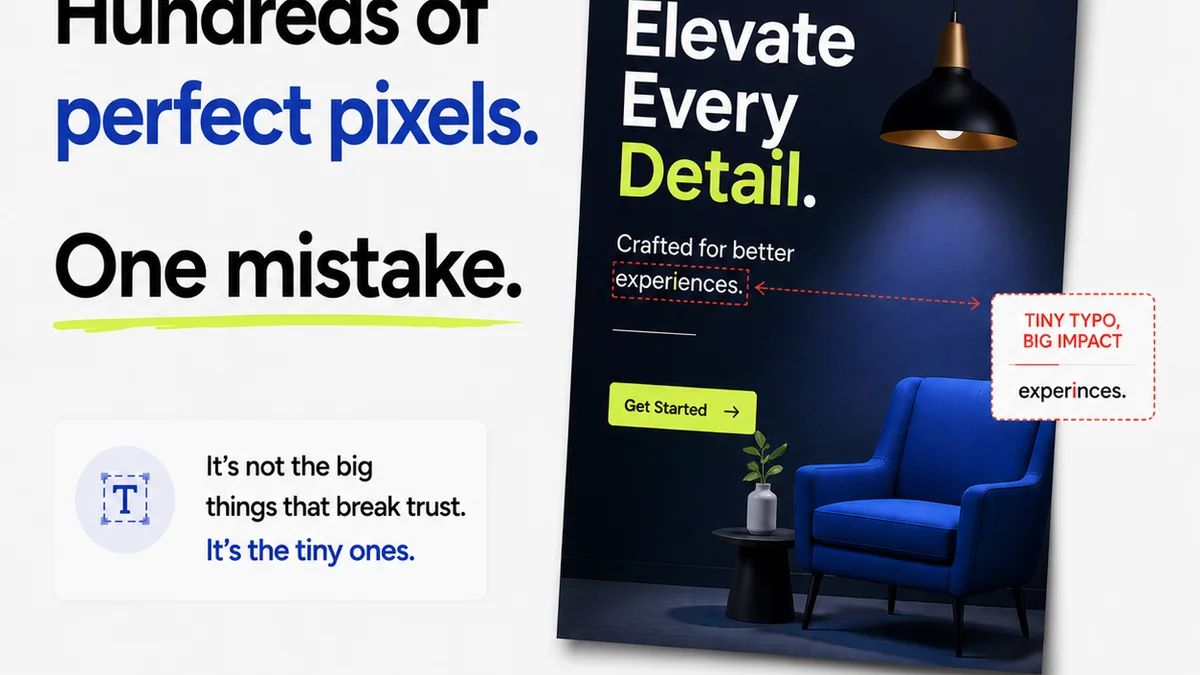
Everyone says design Quality Assurance (QA) is crucial. Agencies need it to catch errors, ensure client satisfaction, and protect their reputation. Software for design QA, they tell you, is the magic bullet.
None of that is wrong. But it’s incomplete.
The hard truth? Most agencies treat QA as a final, hurried step. The tools they use reflect this: clunky spreadsheets, endless email chains, or generic bug trackers. This approach doesn't just miss details; it actively hinders collaboration and slows down delivery.
Effective design QA isn't about finding every pixel error. It's about building a seamless, transparent process that integrates feedback, manages revisions, and guarantees client approval without the usual drama. It’s about making sure the final output isn't just error-free, but strategically sound and on-brief.
1. Beyond Bug Hunting: The Real Goals of Design QA
When agencies talk about design QA, they often focus on the obvious: typos, misaligned elements, broken links. These are table stakes. Real QA for creative work goes deeper.
Strategic Alignment
Is the design still aligned with the client's brief and overall business objectives? Does it hit the target audience? Is the messaging clear? This is where many QA processes fall flat, focusing on execution over strategy.
Brand Consistency
Across all touchpoints, is the brand identity maintained? This includes visual elements, tone of voice, and adherence to brand guidelines. A missed opportunity here can dilute brand impact.
User Experience (UX) Flow
For digital products, does the user journey make sense? Is it intuitive? Are calls to action clear and effective? This requires testing the design not just in isolation, but as part of a functional experience.
Accessibility Standards
Are designs compliant with accessibility guidelines? This is no longer optional. Think about color contrast, keyboard navigation, and screen reader compatibility. Ignoring this excludes users and creates legal risk. Learn more about accessibility at the Web Content Accessibility Guidelines (WCAG).
Technical Feasibility
Can this design actually be built within the technical constraints and budget? This requires input from developers early on, which is often missing in traditional QA.
These aren't just
Frequently asked questions
What is the difference between design QA and user testing?
Design QA focuses on verifying that the design meets specifications, brand guidelines, and technical requirements. User testing, on the other hand, observes real users interacting with the design to identify usability issues and gather feedback on the overall experience.
How can agencies ensure brand consistency during QA?
Agencies can ensure brand consistency by having a readily accessible brand style guide as part of the QA process. The software should allow for easy reference to brand assets and guidelines, and reviewers should be trained to spot deviations.
Is accessibility testing part of standard design QA?
Ideally, yes. While not always performed by every agency, robust design QA processes should include checks for accessibility compliance using tools and manual reviews to ensure inclusivity and adherence to standards like WCAG.
How does design QA software help with client feedback?
Effective design QA software centralizes client feedback, making it easy to track, discuss, and act upon. It provides a clear audit trail, reducing miscommunication and ensuring all feedback is addressed within the revision cycle.