You think design QA software is about catching typos and broken links. You believe it’s just another tool to tick off a list, a digital checklist for pixel-peepers. None of that is wrong. But it’s incomplete.
The hard truth? Effective design QA software isn't about *doing* QA; it's about *enabling* better creative work by streamlining the entire review process. It’s about reducing friction, fostering clarity, and ultimately, shipping better projects faster.
1. Centralized Feedback: The Single Source of Truth
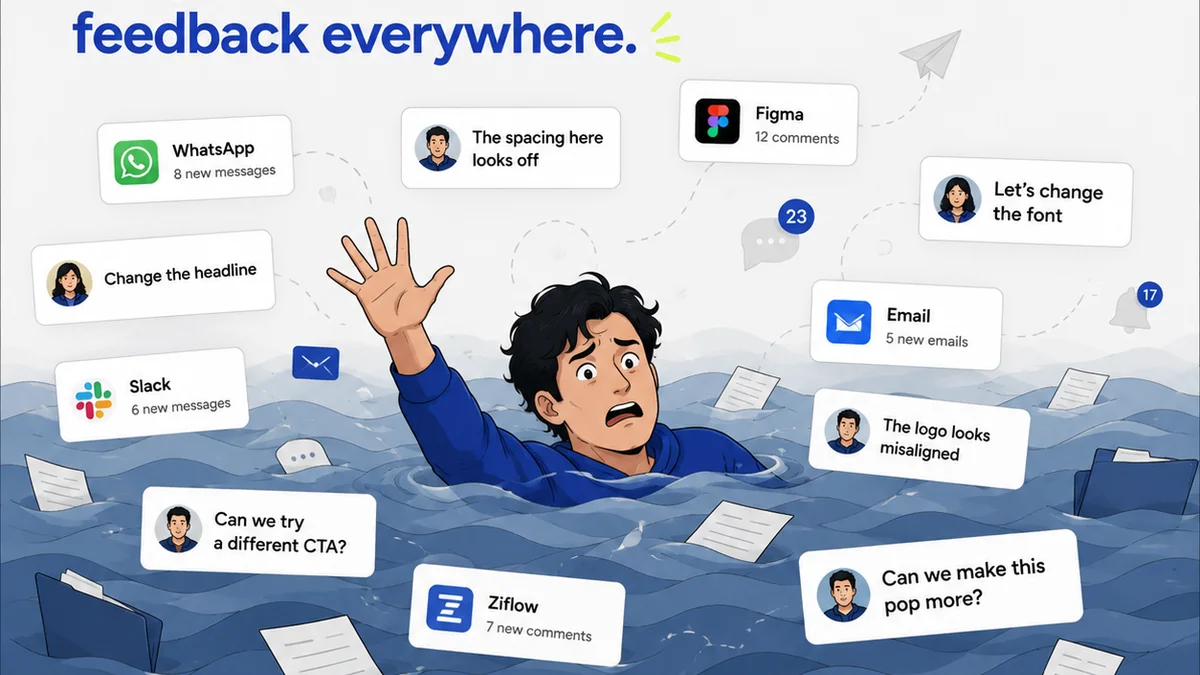
Scattered feedback is the enemy of efficient creative production. Emails, Slack messages, scribbled notes on PDFs – they all create confusion and lead to missed revisions. Good design QA software kills this chaos.
Consolidate All Input
Your primary need is a place where all feedback lives. This means:
- Comments directly on the design assets (images, PDFs, prototypes).
- Clear attribution for each comment.
- Timestamped feedback for context.
- The ability to resolve comments once addressed.
This isn't just about organization; it's about accountability. When feedback is centralized, there's no room for
Frequently asked questions
What is design QA software?
Design QA (Quality Assurance) software helps creative teams manage the review and approval process for design assets. It centralizes feedback, tracks revisions, and ensures all stakeholders are aligned before final delivery.
Why is centralized feedback important in design QA?
Centralized feedback ensures all comments and revisions are in one place, eliminating confusion from scattered emails or messages. This clarity prevents missed feedback and streamlines the revision process, saving time and reducing errors.
How does design QA software improve client collaboration?
It provides a clear, structured platform for clients to provide feedback directly on the work. This transparency reduces back-and-forth, clarifies expectations, and ensures clients see exactly what's being addressed, leading to smoother approvals.
Can design QA software help with version control?
Yes, many platforms allow you to upload new versions of designs while keeping the history of previous versions and their associated feedback. This provides a clear audit trail of revisions and approvals.