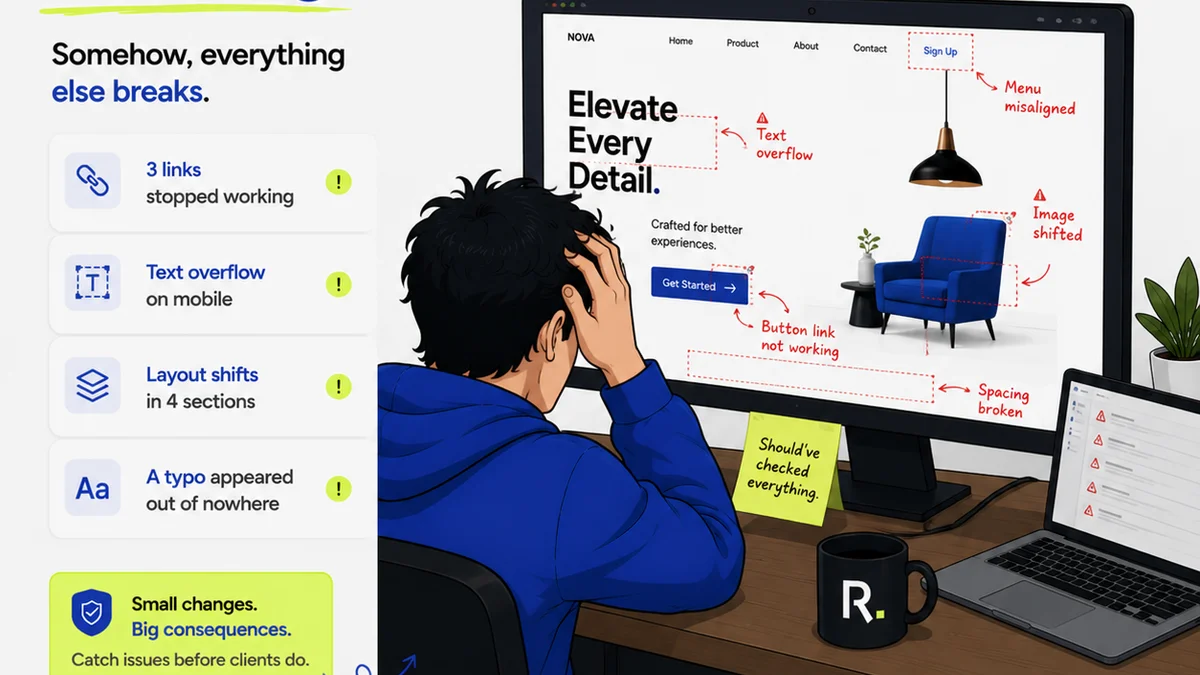
Everyone says a good design brief is the foundation of a successful project. None of that is wrong. But it’s incomplete.
A great brief is crucial, sure. But what happens *after* the brief is submitted? That’s where most agencies trip up. The real bottleneck isn't getting information; it's managing it. It's tracking what the client actually asked for, what you delivered, and what they’re saying about it.
1. The Illusion of the 'Perfect' Form
You’ve seen them. The elaborate, multi-page questionnaires promising to capture every conceivable detail about a new project. They promise clarity. They promise to eliminate scope creep. They promise a smooth ride from concept to completion.
The hard truth? Most of these forms become shelf-ware. Clients rush through them, fill in the bare minimum, or just attach a vague email anyway. And even if you get a perfect submission, a static form doesn’t help you track the messy, iterative reality of creative work.
Why Forms Alone Fall Short
- Clients don't know what they don't know. They can't fill out a form for requirements they haven't considered.
- Project details evolve. A form captures a snapshot; your workflow is a movie.
- Information gets siloed. Form data lives in a spreadsheet, not alongside the actual creative assets.
The real problem isn't the *input* form. It's the lack of a system to manage the *entire* feedback and approval lifecycle.
2. Beyond the Brief: Essential Features for Request Management
If your goal is to get projects done efficiently and profitably, you need more than just a way to collect initial requests. You need tools that support the entire creative process. For US agencies, this means tools that handle client communication, version control, and clear approval tracking.
What to Look For
- Centralized Briefing: Yes, a good form is part of it. But it needs to be integrated with where the work lives.
- Version Control: Clients will inevitably ask for
Frequently asked questions
What is the main benefit of using design request form tools?
The primary benefit is streamlining the initial information gathering process, ensuring all necessary details are captured upfront. This reduces back-and-forth communication and sets a clear foundation for the project, minimizing misunderstandings and scope creep.
Can design request forms prevent scope creep?
While a well-structured form can help define project scope, it's not a foolproof solution on its own. Scope creep is best managed through continuous communication, clear change order processes, and integrated project management tools that track revisions against the original brief.
What information should be included in a design request form?
Key information includes project goals, target audience, brand guidelines, desired deliverables, key messaging, examples of preferred styles (mood boards), technical specifications, budget range, and deadline. The more specific, the better.
How do design request form tools integrate with other agency software?
Many modern tools offer integrations with popular project management platforms (like Asana, Trello), communication tools (Slack), and file storage services (Google Drive, Dropbox). Some also connect with CRM systems for a holistic client view.