Everyone talks about design retainers. They’re pitched as the holy grail: predictable income for agencies, consistent creative support for clients. It sounds simple. Lock in a monthly fee, deliver a set amount of work, repeat.
None of that is wrong. But it’s incomplete.
The real truth? A successful design retainer hinges on clarity, structure, and a shared understanding of value *before* the first invoice is sent. Especially for marketing teams in professional services—think law firms, accounting practices, consultancies—where the stakes are high and the need for polished, professional brand assets is constant.
1. Defining Scope: More Than Just Hours
The most common retainer pitfall? Vague scope. “Design support” is a black hole. For professional services marketing, this means defining exactly what kind of design work falls under the retainer. Is it just digital assets? Do print materials count? What about presentations?
A robust retainer checklist forces this conversation upfront. It’s not about limiting work; it’s about setting expectations and ensuring the retainer’s value is measurable.
What to Pin Down:
- Deliverables: Be specific. Instead of “social media graphics,” list “5x static Instagram posts, 2x LinkedIn banners per month.”
- Service Types: Differentiate between core retainer tasks and out-of-scope work. For example, retainer covers brochure updates, but a new brochure design is a separate project.
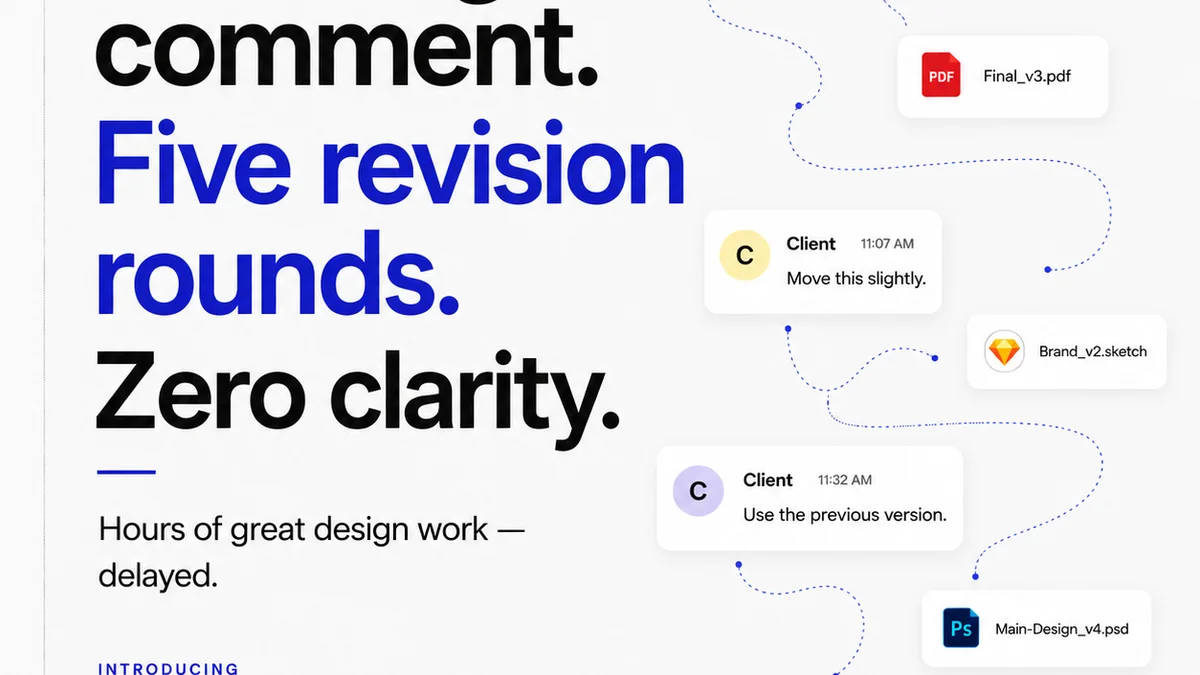
- Revision Rounds: Clearly define how many rounds of revisions are included for each deliverable. Two is standard, three is pushing it.
- Turnaround Times: Set realistic expectations for delivery. “3-5 business days for standard requests” is better than “ASAP.”
- Communication Channels: Specify how requests should be submitted and who the point of contact is.
This level of detail prevents scope creep and ensures both agency and client know what’s expected.
2. Establishing Value Metrics: Proving ROI
Professional services clients are results-driven. They need to see the tangible impact of design work on their business objectives. A retainer must demonstrate this value, not just churn out assets.
Your checklist should include how you’ll measure success. This isn’t just about delivering on time; it’s about contributing to the client’s goals.
Key Performance Indicators (KPIs) for Retainers:
- Engagement Rates: For social media graphics or digital ads.
- Lead Generation: If design supports specific campaigns.
- Brand Consistency Score: A subjective but valuable metric for internal audits.
- Website Conversion Rates: For landing pages or updated site assets.
- Client Feedback/Satisfaction: Simple surveys can gauge perceived value.
For marketing teams in law or finance, this might mean tracking how many webinar sign-ups a well-designed promotional flyer generated, or how a visually consistent brand presentation improved prospect engagement.
The retainer isn't just a service contract; it’s a value-delivery mechanism.
3. Structuring Reporting and Reviews: Maintaining Transparency
Transparency builds trust. Without regular, clear reporting, a retainer can feel like a black box where money disappears without visible results.
Your retainer checklist should outline a reporting cadence and format. This ensures accountability and provides opportunities for feedback.
Reporting Essentials:
- Monthly Performance Reports: Summarize work completed, KPIs achieved, and any challenges.
- Budget Tracking: Show how the retainer budget was utilized.
- Review Meetings: Schedule regular check-ins (monthly or quarterly) to discuss progress, upcoming needs, and strategic alignment.
- Feedback Loops: Ensure clients have a structured way to provide feedback on both the work and the retainer process itself.
For a consultancy, this might mean a report detailing how new proposal templates improved win rates. For a law firm, it could be tracking the usage and impact of updated client intake forms.
This structured communication keeps the retainer aligned with evolving client needs.
4. Defining Roles and Responsibilities: The Human Element
Even with the best processes, retainers succeed or fail based on the people involved. Clear roles prevent confusion and ensure smooth collaboration.
Your checklist needs to identify key contacts on both the client and agency sides, and outline their responsibilities.
Who Does What?
- Client Point of Contact: Approves requests, provides timely feedback, champions the retainer internally.
- Agency Account Manager: Primary liaison, manages workflow, ensures deliverables meet quality standards.
- Design Team Lead: Oversees creative output, ensures brand consistency.
- Project Manager (if applicable): Tracks timelines, resources, and budget.
For marketing teams in professional services, this clarity is vital. They often juggle numerous responsibilities, and knowing exactly who to go to for design matters saves precious time.
It’s about making collaboration effortless.
5. Handling Scope Changes and Escalations: The Inevitable
No retainer is static. Needs change, projects pivot, and sometimes, the agreed-upon scope needs adjustment. A good checklist anticipates this.
Define a clear process for managing scope changes and escalating issues.
Process for Changes:
- Change Request Forms: Standardize how new requests outside the retainer scope are submitted.
- Impact Assessment: Outline how the agency will assess the time, cost, and timeline impact of a change.
- Approval Process: Define who needs to approve changes and the associated costs.
- Escalation Path: Specify who to contact if disagreements arise or if the retainer isn't meeting expectations.
This isn't about being difficult; it's about maintaining a healthy, sustainable relationship. It protects both parties from misunderstandings and ensures the retainer continues to provide value without becoming a burden.
Where Revue Fits In
Managing a design retainer, especially for busy marketing teams in professional services, requires robust oversight. Keeping track of requests, feedback, revisions, and approvals across multiple projects can quickly become chaotic without the right tools.
Revue centralizes the entire creative workflow. It provides a single source of truth for all client feedback, streamlining the revision and approval process. This visibility ensures that every iteration is accounted for, reducing back-and-forth and minimizing the risk of miscommunication that can derail a retainer.
With Revue, you can easily track the progress of retainer-based deliverables, ensure quality checks are consistently applied, and maintain a clear audit trail of all communication and approvals. This operational efficiency is key to making retainers work smoothly for everyone involved.
Final Thought
A design retainer is more than a recurring revenue stream or a convenience. When structured correctly, it’s a strategic partnership that drives consistent brand excellence and measurable business results for professional services marketing teams. The true test of a retainer isn't just in the work produced, but in the predictable value delivered and the strength of the relationship it fosters.
Are you treating your design retainer as a strategic asset, or just another line item?
Frequently asked questions
What is a design retainer?
A design retainer is a contractual agreement where a client pays a recurring fee (usually monthly) to a design agency for ongoing creative services. It ensures dedicated support and predictable costs for both parties.
Why are clear scope definitions crucial for retainers?
Vague scope leads to misunderstandings, scope creep, and unmet expectations. Clearly defining deliverables, service types, revision rounds, and turnaround times ensures both the client and agency understand what's included, leading to a more successful retainer.
How can a design retainer demonstrate ROI for professional services?
By aligning design deliverables with specific business objectives and tracking relevant KPIs. For example, tracking lead generation from campaign assets or improved brand consistency in client-facing materials.
What should be included in a retainer reporting process?
Reports should summarize work completed, KPIs achieved, budget utilization, and any challenges. Regular review meetings and structured feedback loops are also essential for transparency and alignment.