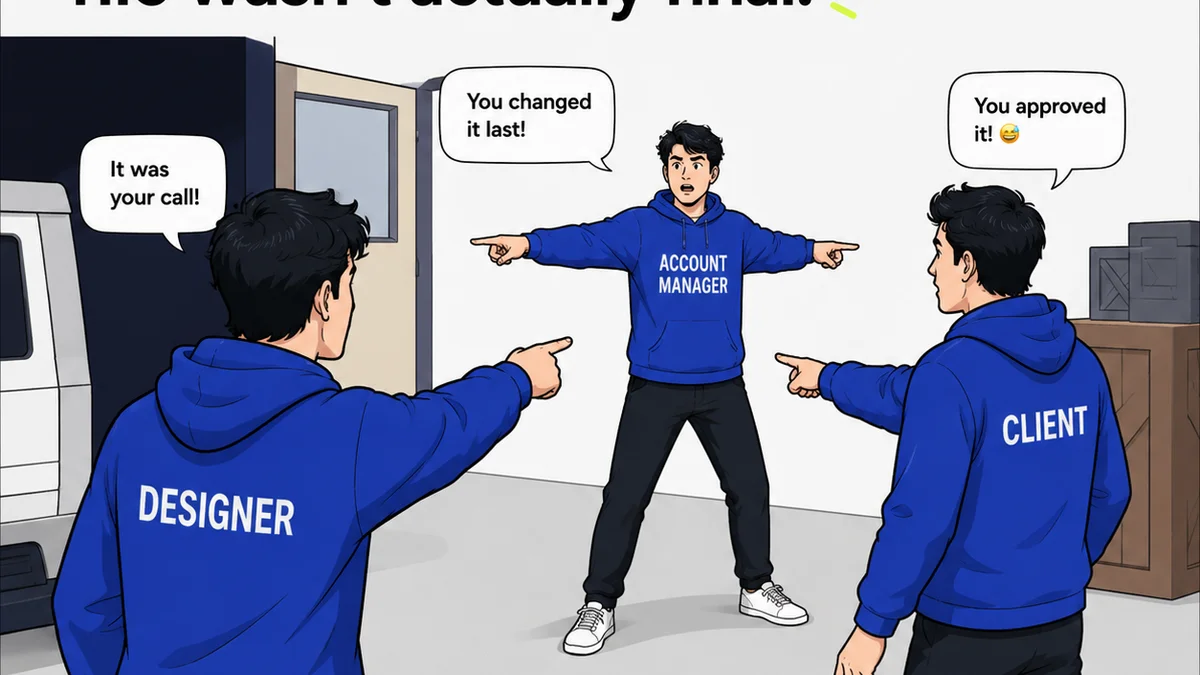
Everyone agrees that design reviews are crucial. They’re where creative work gets sharpened, client expectations are managed, and projects move forward. But ask any creative director or agency owner about their review process, and you’ll likely hear a familiar refrain: “It’s a mess.”
That’s the common assumption. That design reviews are inherently chaotic, time-consuming, and prone to miscommunication. None of that is wrong. But it’s incomplete.
The hard truth is that the chaos isn’t inherent to the *act* of reviewing; it’s a symptom of an outdated or non-existent process. You’re not failing because reviews are hard. You’re failing because you haven’t defined *how* to do them effectively.
1. Define the Purpose and Participants
Before a single pixel is shown, clarity is king. What is the goal of *this specific* review?
Is it a quick internal check for alignment? A formal client presentation for sign-off? A technical review for usability or accessibility?
Knowing the purpose dictates who needs to be there. Too many cooks spoil the broth, and too many opinions dilute the feedback.
Who Needs to Be There?
- Stakeholders: Those with decision-making authority.
- Subject Matter Experts: Designers, developers, copywriters who can assess specific aspects.
- End-Users (sometimes): For usability testing or validation.
Crucially, identify who is the *final approver*. This prevents endless back-and-forth when multiple people have conflicting
Frequently asked questions
What are the key elements of effective design review best practices?
Effective design review best practices involve defining the purpose and participants, setting clear goals, establishing a structured feedback process, utilizing the right tools, and fostering a culture of constructive critique.
How can I ensure feedback during design reviews is actionable?
Actionable feedback is specific, objective, and tied to project goals. Avoid vague comments like 'I don't like it.' Instead, explain *why* something isn't working and suggest concrete alternatives or areas for improvement.
What's the difference between an internal and a client design review?
Internal reviews focus on team alignment, technical feasibility, and creative quality before client presentation. Client reviews are for gathering formal feedback and approvals, managing expectations, and ensuring the work meets business objectives.
How often should design reviews be conducted?
The frequency depends on the project phase and complexity. Regular, shorter reviews are often more effective than infrequent, marathon sessions. Aim for reviews at key milestones and whenever significant changes are made.