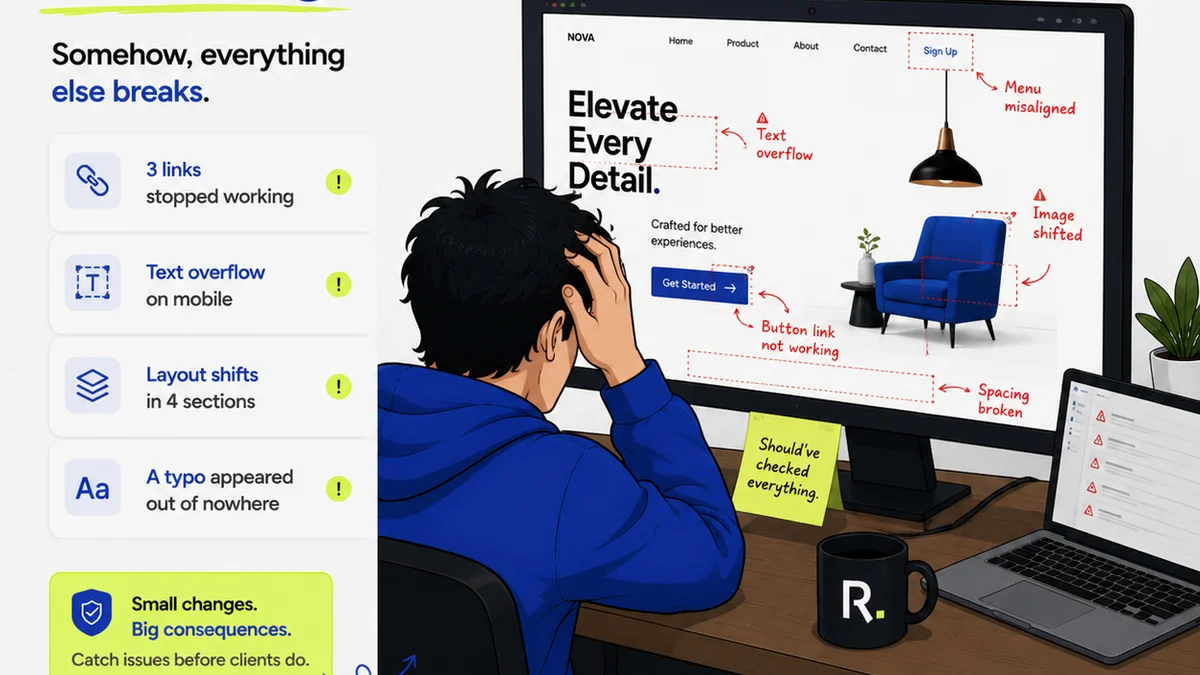
Everyone thinks design reviews are about catching typos or making sure the logo is big enough. That's not wrong. But it's incomplete.
The real goal of design review is clear, actionable feedback that moves the project forward. Anything less is just noise.
1. The Feedback Illusion: What Clients *Think* They're Doing vs. What They're Actually Doing
Clients often feel like they're providing valuable input during design reviews. They're looking at the work, they're talking about it, they're making suggestions. It feels productive.
The hard truth? Most of this isn't actionable feedback. It's subjective opinion, gut reaction, or a misunderstanding of the brief.
Why This Happens
- Lack of Context: Clients might not remember the original goals or constraints.
- Visual Literacy Gaps: Not everyone speaks fluent design. They might describe a feeling, not a specific problem.
- Fear of Saying 'No': Sometimes feedback is a way to avoid outright rejection, leading to vague suggestions.
- Too Many Cooks: When multiple stakeholders weigh in without a clear process, feedback becomes diluted and contradictory.
This leads to endless revision cycles that drain resources and kill creative momentum.
2. Defining
Frequently asked questions
What is the biggest mistake agencies make in design reviews?
The biggest mistake is treating design reviews as a subjective opinion session rather than a structured feedback process. This often leads to vague comments, endless revisions, and frustration on both sides.
How can I ensure client feedback is actionable?
Clearly define the project goals and success metrics upfront. During the review, guide clients to comment on how the design meets these objectives, rather than just personal preferences. Use a tool that allows for specific, contextual comments.
What's the role of a creative director in design reviews?
The creative director acts as the translator and gatekeeper. They interpret client feedback through the lens of the brief and brand strategy, filter out subjective noise, and ensure the team receives clear, prioritized instructions for revisions.
How can technology improve the design review process?
Technology like centralized feedback platforms can eliminate scattered emails and messages. They provide a single source of truth for comments, version history, and approvals, making the entire process more transparent and efficient.