Everyone talks about streamlining the design review process. They say, “Get feedback early and often.” Or, “Make sure stakeholders are aligned.”
None of that is wrong. But it’s incomplete.
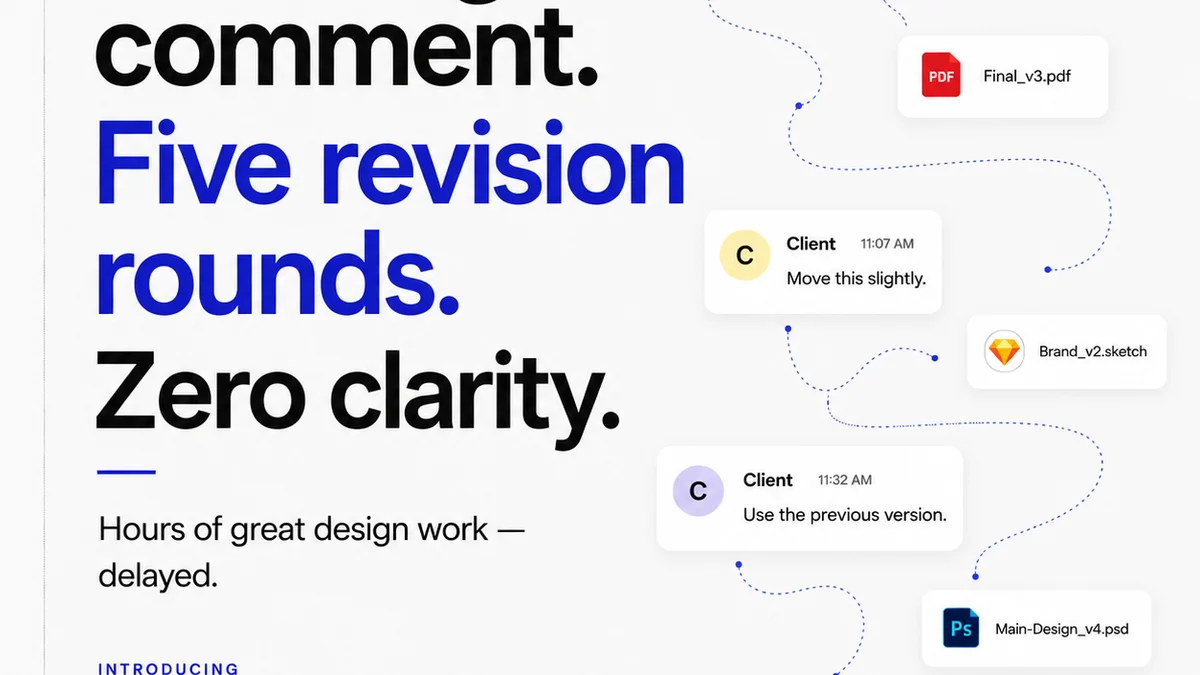
The hard truth is that most agencies and creative teams treat design reviews like a necessary evil, a chaotic free-for-all that slows down delivery and breeds frustration. They tack it onto the end of a project, hope for the best, and are surprised when feedback is vague, contradictory, or late.
A truly effective design review process isn’t about more meetings or fancier software. It’s about intentionality. It’s about structure. It’s about getting the *right* feedback from the *right* people at the *right* time.
1. Define Your Review Stages
You wouldn’t launch a campaign without a strategy. You shouldn’t run a design review without a plan.
Break down your project into distinct phases, and assign specific review objectives to each. This isn’t just about checking boxes; it’s about ensuring the design is moving in the right direction *before* you invest significant time and resources.
Concepting & Ideation Reviews
At this early stage, the goal is broad alignment. Are we on the right track conceptually? Does the direction resonate with the brief? Feedback here should be high-level, focusing on strategic fit and overall direction. Avoid getting bogged down in minor aesthetic details.
Developmental Reviews
As the design takes shape, these reviews focus on execution. Is the layout working? Is the typography legible? Are the colors appropriate? Feedback is more detailed but still focused on core design principles and user experience. This is where you catch fundamental issues before they become costly to fix.
Final Approval Reviews
This is the gatekeeper. By this stage, the design should be polished and ready. The focus is on ensuring all requirements are met, brand guidelines are adhered to, and the output is technically sound. Feedback should be minimal and only about critical errors or deviations from the approved direction.
Each stage needs clear criteria for success. What does “done” look like for this review? What are the go/no-go decision points?
2. Identify Your Reviewers (and Their Roles)
Who needs to see the work? More importantly, who needs to *approve* it?
This is where many processes break down. Too many cooks spoil the broth. Too few decision-makers lead to bottlenecks and missed requirements.
The Core Team
These are the people directly responsible for the project’s success: the designer, project manager, and perhaps a lead creative. They’re involved in the day-to-day and understand the nuances.
Key Stakeholders
These are the clients or internal department heads who have a vested interest in the outcome. They bring crucial business context and final sign-off authority.
Subject Matter Experts (SMEs)
Depending on the project, you might need input from legal, accessibility specialists, or technical experts. Their input is critical but often limited to their specific domain.
The key is to assign clear roles and expectations for each reviewer. Not everyone needs to weigh in on every detail. Some are there for strategic alignment, others for technical validation, and a select few for final approval.
Avoid the dreaded “design by committee” by defining who provides feedback versus who makes the final call. This is critical for maintaining design integrity and project momentum.
3. Standardize Your Feedback Mechanism
How is feedback collected? Email? Slack? A random Word doc attached to a reply-all chain?
Chaos. That’s what it is.
A consistent, centralized method for collecting feedback is non-negotiable. This ensures nothing gets lost and that feedback is contextualized.
Context is King
Feedback is useless if you don’t know what it refers to. Was this comment about the button color on the homepage or the footer? Was it for the desktop or mobile version?
Tools that allow for annotation directly on the design (like Figma comments or dedicated review platforms) are invaluable. They tie feedback directly to the element being discussed.
Actionable vs. Opinion
Train your reviewers to distinguish between actionable feedback and personal preference. “I don’t like this shade of blue” is an opinion. “This blue doesn’t meet WCAG contrast requirements” is actionable feedback. The former requires gentle redirection; the latter requires immediate attention.
Consolidation and Synthesis
Someone needs to be responsible for consolidating feedback from various sources. This person acts as a filter, synthesizing disparate comments into clear, actionable tasks for the design team. This role is crucial for preventing overwhelm and ensuring the most important points are addressed.
4. Set Clear Deadlines and Expectations
What’s the turnaround time for feedback? When is the next review scheduled?
Ambiguity kills efficiency.
Communicate review timelines upfront. Let reviewers know exactly when their input is needed and by when it’s expected. This applies to both internal and client reviews.
Internal Review Cadence
Establish a regular rhythm for internal checks. Daily stand-ups might cover quick visual checks, while weekly team meetings could be for more in-depth critiques.
Client Review Windows
For client feedback, define specific review periods. For example, “We’ll send the designs for your review on Friday, and we need your consolidated feedback by EOD Tuesday.” This prevents feedback from trickling in over weeks.
Be explicit about what happens if deadlines are missed. Does the project proceed without their input? Is the timeline pushed back? Setting these expectations manages risk and keeps the project moving.
5. Document Everything
You think you’ll remember that verbal agreement? You won’t.
Every review, every decision, every revision needs to be documented. This creates an audit trail, protects your agency, and prevents “scope creep” disguised as “minor tweaks.”
Meeting Minutes & Action Items
For formal review meetings, assign someone to take clear notes. Summarize key decisions, feedback points, and assign action items with owners and deadlines.
Change Logs
Maintain a log of all significant changes made to the design, noting the reason for the change and who approved it. This is invaluable for tracking project evolution and managing client expectations.
This documentation serves as your single source of truth. It’s the reference point when disagreements arise or when a client asks, “When did we agree to that?”
6. Embrace Iteration, Not Perfection
The goal of a review isn’t to get the design perfect on the first try. It’s to guide the design toward its best possible state efficiently.
Understand that iteration is part of the process. Each review cycle is an opportunity to refine and improve.
Focus on Progress
Celebrate movement. Acknowledge that progress is being made, even if there are still revisions to be made. This keeps morale high and reinforces the value of the review process.
Avoid Analysis Paralysis
Don’t let the pursuit of minor aesthetic perfection derail the project timeline. Know when “good enough” is truly good enough, especially for internal or early-stage reviews.
The most effective design review processes are agile. They allow for feedback and adaptation without sacrificing momentum or clarity.
Where Revue Fits In
Managing a structured design review process across multiple clients and projects can quickly become unwieldy. This is where a centralized platform like Revue becomes essential.
Revue helps you:
- Centralize Feedback: Consolidate all client and stakeholder comments in one place, directly linked to the creative assets. No more hunting through emails or Slack messages.
- Manage Revisions and Approvals: Track the history of changes, see who approved what, and maintain a clear audit trail. This visibility prevents misunderstandings and disputes.
- Run Quality Checks: Ensure that all feedback has been addressed and that the final output meets all specified requirements before final delivery.
By providing a single source of truth for all creative feedback and approvals, Revue transforms the chaotic design review into a streamlined, efficient workflow.
Final Thought
The best design review process isn’t the one that’s most complicated, but the one that’s most consistently followed. It’s about building clarity, accountability, and momentum into your creative workflow.
Are you setting up your reviews for success, or just adding another meeting to the calendar?
Frequently asked questions
What are the key stages of a design review process?
Key stages typically include Concepting & Ideation Reviews (high-level strategic alignment), Developmental Reviews (focusing on execution and core principles), and Final Approval Reviews (for critical errors and adherence to requirements).
Who should be involved in a design review?
Involve the Core Team (designers, PMs), Key Stakeholders (clients, department heads), and Subject Matter Experts (legal, accessibility) as needed. Crucially, define their specific roles and decision-making authority to avoid confusion.
How can I ensure feedback is actionable?
Encourage reviewers to distinguish between personal opinions and actionable feedback tied to project goals or technical requirements. Using tools for contextual annotations directly on the design also greatly improves clarity.
Why is documenting design reviews important?
Documentation creates an audit trail, prevents misunderstandings, protects your agency from scope creep, and serves as a single source of truth for decisions made during the project lifecycle.