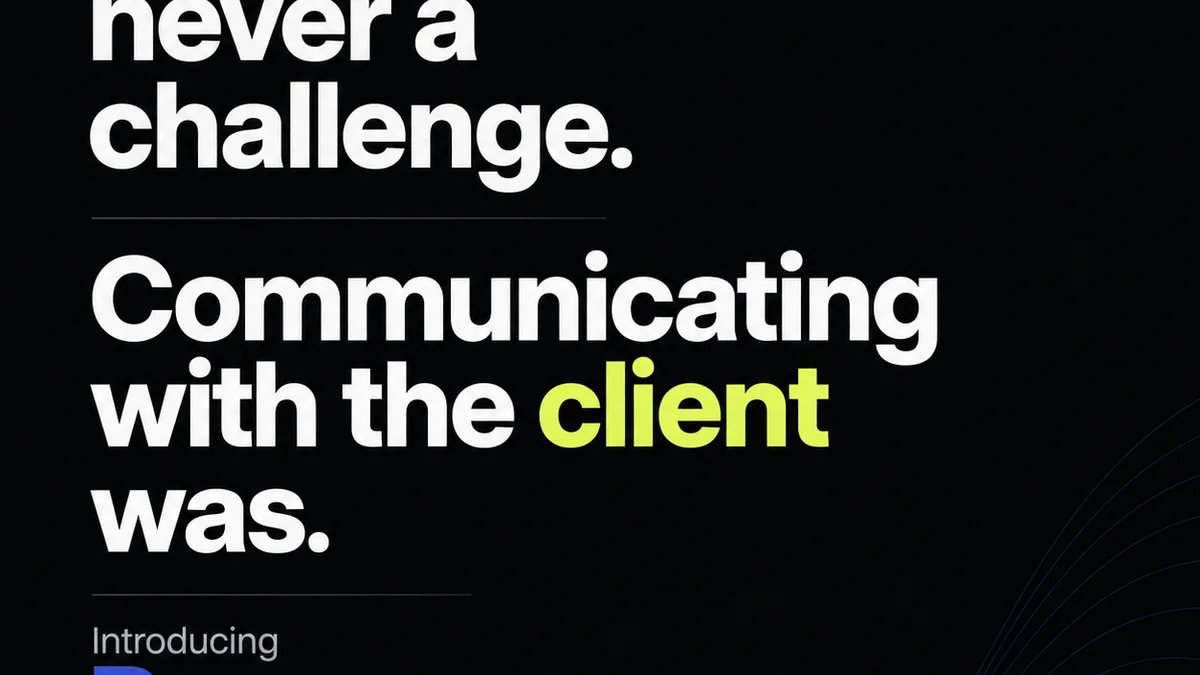
Everyone thinks a design review process is about getting client sign-off. That’s the easy part. The real work happens before, during, and after that final ‘approved’ email.
The hard truth? Your current design review process is probably costing you more time and money than you realize. It’s not just about ticking boxes; it’s about preventing costly rework, managing expectations, and ensuring the final output actually meets strategic goals.
1. Defining the
Frequently asked questions
What are the essential stages of a design review process?
A robust design review process typically includes preparation, the actual review meeting or feedback session, consolidation of feedback, revisions, and final approval. Each stage requires specific checks and balances.
How can a checklist improve client communication during reviews?
A checklist ensures all necessary information is provided to the client upfront, sets clear expectations for the review, and guides the feedback process. This reduces ambiguity and prevents scope creep.
What's the difference between a design review and a design approval?
A design review is an iterative process of evaluating creative work against objectives and providing constructive feedback. Design approval is the final sign-off indicating the work meets requirements and is ready for the next stage or launch.
How often should design reviews happen?
The frequency depends on the project's complexity, timeline, and client involvement. Typically, key milestones or deliverables trigger a review. Too few reviews risk misalignment; too many can slow down production.