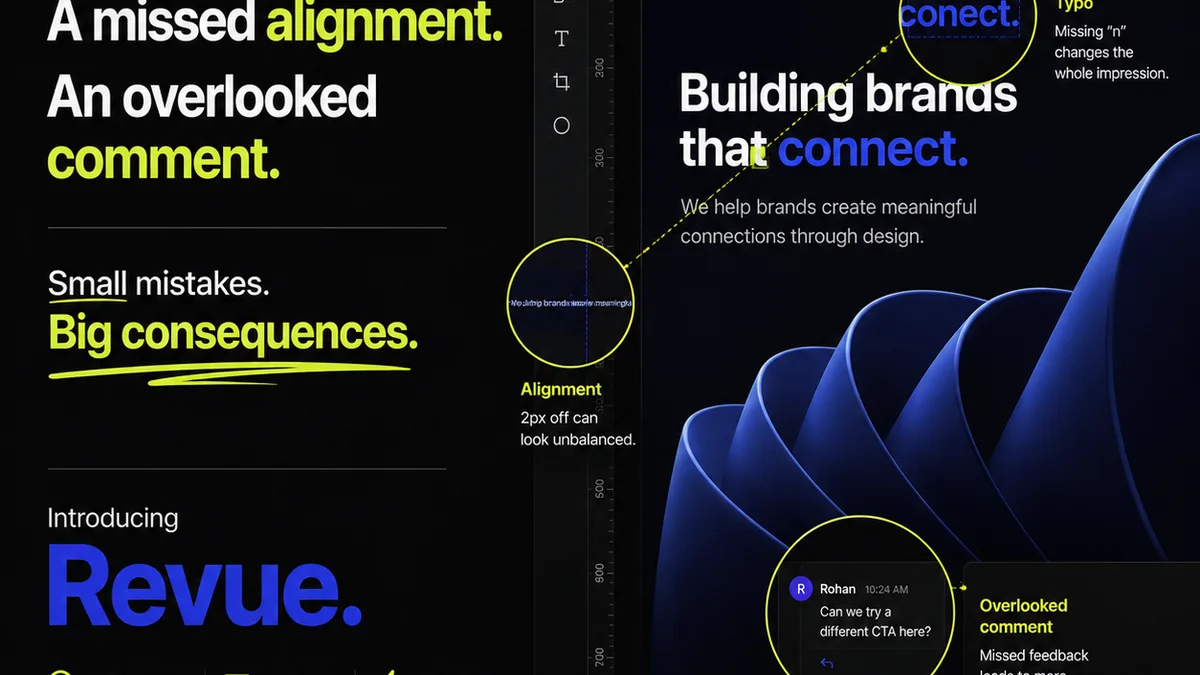
Everyone talks about the importance of a smooth design review process. It’s the holy grail of creative operations. Get it right, and projects fly. Get it wrong, and you’re drowning in revisions.
None of that is wrong. But it’s incomplete.
The real truth? A good design review process isn't just about feedback loops. It’s about clarity, accountability, and building a system that prevents chaos before it starts.
1. Beyond the 'Gut Feeling' — Defining Clear Objectives
Many teams think a design review is just about showing work and waiting for comments. They expect stakeholders to magically know what to look for.
This is a recipe for disaster.
Your review process needs defined objectives. What are we trying to achieve with this specific piece of work? Is it about brand alignment? User engagement? Conversion rates? Technical feasibility?
Setting the Stage for Success
Before any design even sees the light of day, establish clear goals for the review itself.
- What is the primary purpose of this review? (e.g., first look, final approval, usability check)
- Who are the essential reviewers? (Identify key decision-makers and subject matter experts)
- What specific feedback is needed? (e.g., alignment with brief, adherence to brand guidelines, technical concerns)
- What is the deadline for feedback? (Set clear expectations for turnaround time)
- What is the desired outcome? (e.g., go/no-go decision, list of actionable revisions)
Without these upfront parameters, feedback becomes subjective, unfocused, and ultimately, unhelpful. You end up with comments like "I don't like it" or "Make it pop," which are useless for iterating effectively.
2. The Feedback Black Hole — Structuring Your Review Sessions
The dreaded email chain. The Slack thread that spirals into infinity. The impromptu hallway "quick chat" that turns into a 30-minute debate.
These aren't review processes. They're feedback black holes.
A structured review session is crucial. This means creating a dedicated space and time for feedback, with clear guidelines on how it should be given and received.
Synchronous vs. Asynchronous
Consider the best format for your team and project. Both have pros and cons.
Synchronous Reviews (Live Sessions):
- Pros: Real-time discussion, immediate clarification, quicker decision-making.
- Cons: Can be disruptive, requires scheduling, may favor louder voices, potential for scope creep if not managed.
Asynchronous Reviews (Comments on Designs):
- Pros: Flexible timing, allows for thoughtful feedback, creates a documented trail.
- Cons: Can lead to delays, risk of misinterpretation, harder to resolve conflicting feedback.
Often, a hybrid approach works best. Use asynchronous comments for initial reactions and detailed notes, then schedule a brief synchronous session to discuss and resolve conflicting points.
The 'Who' and 'How' of Feedback
Define who is responsible for providing feedback at each stage. Not everyone needs to weigh in on everything. Assign roles based on expertise.
Also, establish the 'how'. Are reviewers commenting directly on the design files? Using a dedicated tool? Providing written summaries? Clarity here prevents confusion.
3. The Revision Roulette — Managing Feedback and Iterations
You’ve collected the feedback. Now what? This is where many creative teams fall into the Revision Roulette.
They treat feedback as gospel, implementing every comment without question. Or worse, they cherry-pick comments, leading to an inconsistent final product.
The hard truth? Not all feedback is created equal. Your role as a creative lead or agency owner is to filter, prioritize, and synthesize.
The Art of Synthesis
This requires a critical eye and a strong understanding of the project objectives.
- Consolidate Similar Feedback: Group comments that address the same issue.
- Prioritize Based on Objectives: Does this feedback directly impact the project goals?
- Identify Conflicting Feedback: If two stakeholders want opposite things, who has the final say? Refer back to your initial objectives and client brief.
- Challenge Unsubstantiated Feedback: "I don't like it" needs a "Why?" or "What specifically is the concern?"
- Communicate Decisions Clearly: Explain to stakeholders which feedback was implemented, which was deferred, and why. Transparency builds trust.
This synthesis process is where true creative leadership shines. It’s not about blindly following instructions; it’s about guiding the project toward its best possible outcome.
4. The Approval Abyss — Ensuring Clear Sign-Off
The final review. The moment of truth. Yet, for many, it’s another abyss of uncertainty.
"Is this really approved?" "Did they actually look at it?" "Can they change their mind next week?"
A robust design review process culminates in unambiguous approval. This means having a defined sign-off mechanism that leaves no room for doubt.
Formalizing the 'Yes'
This can take many forms, but the key is documentation and clear agreement.
- Formal Sign-Off Forms: A simple document detailing what is approved, by whom, and when.
- Email Confirmation: A clear email stating "This design is approved for launch/production."
- Project Management Tool Status: Updating a task or deliverable to a definitive "Approved" status.
- Digital Signature Tools: For high-stakes projects requiring an indisputable record.
Crucially, approvals should be tied to the agreed-upon brief and objectives. If a client wants to change something *after* approval, it should trigger a change order, not a free revision.
5. Quality Control — The Unsung Hero of Design Reviews
Many teams see design review as solely about client or stakeholder feedback. They forget the internal quality check.
This is a critical oversight. Your internal team needs to be the first line of defense for quality.
Internal Gatekeeping
Before any design reaches a client or external stakeholder, it must pass an internal quality bar.
- Technical Checks: Are files correctly formatted? Are assets optimized? Is the code clean?
- Brand Consistency: Does it align with established brand guidelines?
- Usability & Accessibility: Is it intuitive? Does it meet accessibility standards like WCAG?
- Brief Alignment: Does it fulfill the original project requirements?
This internal review acts as a sanity check, catching errors and inconsistencies that external reviewers might miss or overlook. It saves time, reduces client frustration, and ensures you’re delivering polished, professional work every time.
Where Revue Fits In
Managing this entire process manually — juggling spreadsheets, emails, and disparate feedback tools — is a drain on resources and a breeding ground for errors.
This is precisely why we built Revue.
Revue is designed to centralize your creative workflow. It brings all client feedback into one place, making it easy to track revisions, manage approvals, and conduct internal quality checks.
No more hunting for that crucial comment in a sea of emails. No more confusion about the latest version. Revue provides a clear, auditable trail from initial concept to final sign-off.
It streamlines communication, ensures accountability, and gives you the visibility needed to manage projects efficiently.
Final Thought
A stellar design review process isn't a luxury; it's a necessity for any modern creative team aiming for efficiency and excellence. It's about building systems that support your talent, not hinder it.
Are you treating your design reviews as a tactical necessity, or a strategic advantage?
Frequently asked questions
What are the key components of an effective design review process?
An effective design review process includes clearly defined objectives, structured review sessions (synchronous or asynchronous), a system for managing and prioritizing feedback, a formal approval mechanism, and internal quality control checks.
How can I ensure feedback is constructive and actionable?
Set clear expectations for reviewers regarding what type of feedback is needed and why. Define the project objectives upfront. Encourage reviewers to explain the 'why' behind their comments and to suggest solutions. Your internal team should then synthesize and prioritize this feedback based on project goals.
What's the difference between synchronous and asynchronous design reviews?
Synchronous reviews happen in real-time, like a live meeting or screen-sharing session, allowing for immediate discussion and clarification. Asynchronous reviews happen over time, typically through comments on design files or project management tools, allowing reviewers to provide feedback at their convenience and creating a documented trail.
How do I handle conflicting feedback from different stakeholders?
Refer back to the original project brief and objectives. Identify who the key decision-makers are. Involve a project lead or creative director to synthesize the feedback, explain the rationale behind the chosen direction, and communicate the final decision clearly to all parties.
Why is internal quality control important in the design review process?
Internal quality control ensures that designs meet technical, brand, and usability standards before they are presented to clients or external stakeholders. It catches errors early, reduces the need for extensive revisions, saves time, and ensures you consistently deliver high-quality work.